
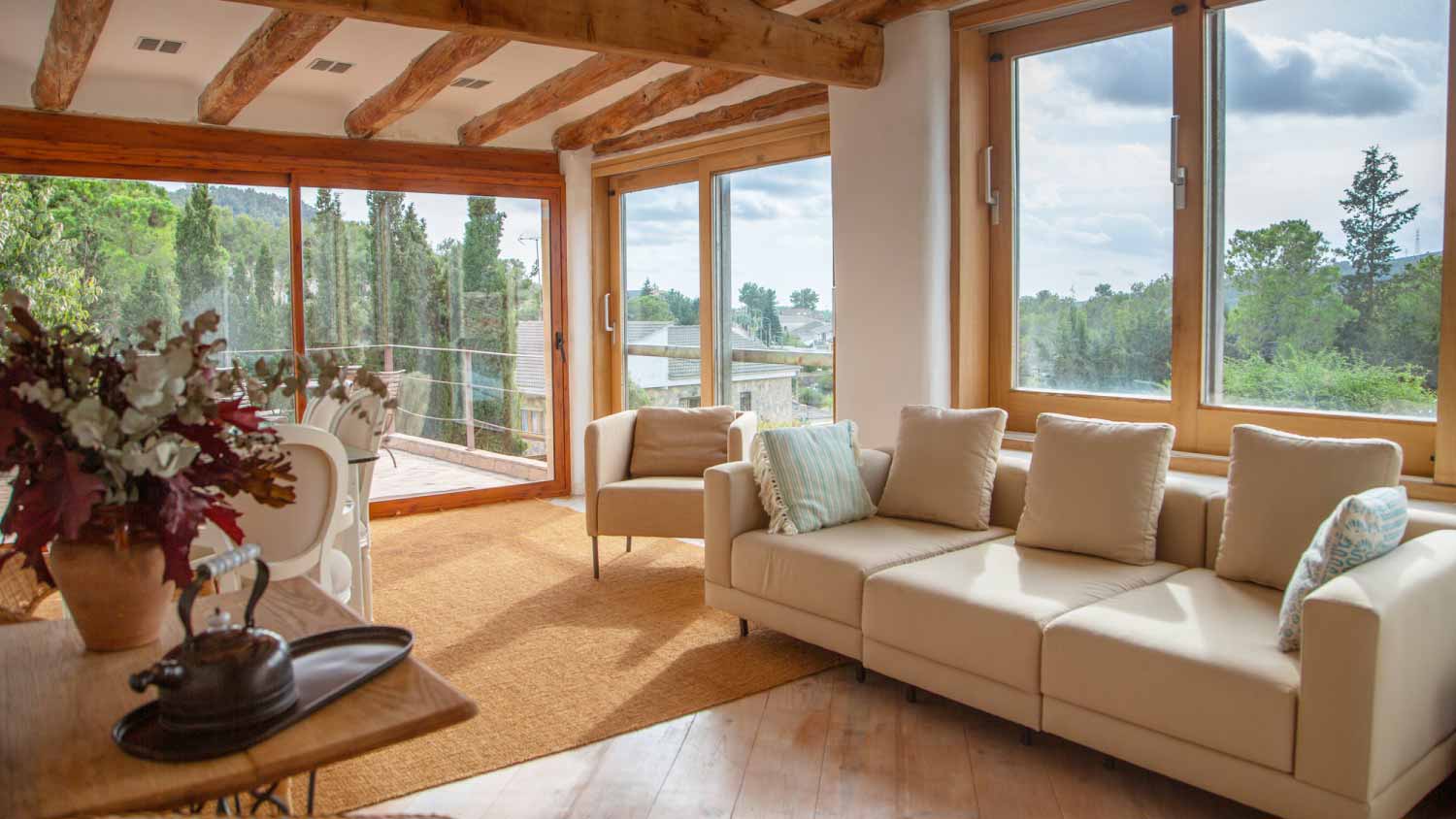
Wooden windows elevate a home’s curb appeal and have a lifespan of up to 45 years. Learn about the cost of wooden windows and how to get an estimate.
Expand your window wisdom

Proper window placement depends on your neighborhood's architectural style, symmetry preferences, and surrounding views to maximize curb appeal and property value.
Smart window placement boosts your home's energy efficiency by orienting larger windows south for natural light and heat while keeping north-facing windows smaller.
Your window plans need to account for structural loads, building codes, and egress requirements to keep your home safe and legally compliant.
Hiring a local window company provides expert guidance on placement that balances natural light, ventilation, and structural integrity for your specific home.
When it comes to architectural planning and home design, most people immediately think about the floor plan, the home style, and specific building materials that go into the project. However, the importance of window placement is often overlooked and just as important as the bigger design decisions. Window placement can make or break a room and even affect your home’s value.
The cost to enlarge windows, relocate them, or close up their wall openings can get pricey, so getting window placement and size right the first time around is a great way to save money. Plus, the correct orientation and window size can save you money on heating, cooling, and electric bills in the long run. It can even increase your property value.
Use the following tips for window placement to save money, add value, and get maximum enjoyment from your home.
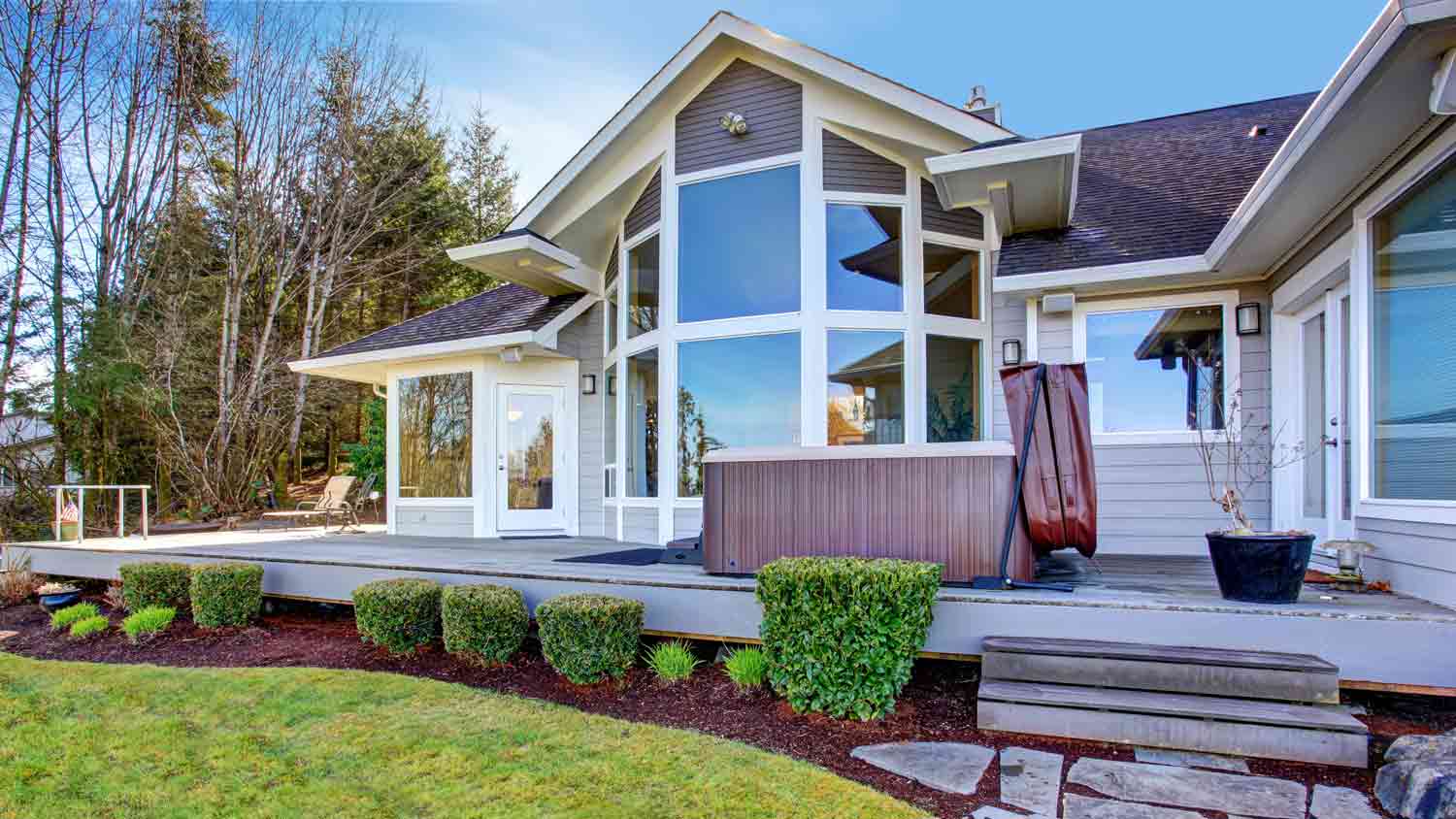
One of the best ways to maximize your property value with window placement is to look at the other homes in your area. Many neighborhoods have distinct styles that call for specific types of windows and dictate standard window sizes for the area. For example, you might see massive, floor-to-ceiling windows in a home overlooking a lake in the woods, but the same design could seem out of place in the middle of a busy suburb.
While you certainly don’t need to conform entirely to the style in your neighborhood, it’s a good idea to use it as a baseline, especially on the front of your home. Feel free to experiment a little and get creative with window sizes and shapes. Just remember that you may want to sell it someday, and your taste may not be popular.
That could mean a lower sale value when it comes time to sell if your property isn’t as appealing to buyers as one that conforms more to the look and feel of the neighborhood.
Symmetry is naturally pleasing to the eye, so organizing your windows in at least a partially symmetrical pattern is a great way to maximize curb appeal. For example, try to match window shapes and sizes—at least on the front—from the left side of the home to the right. Try to align the second-floor windows with the ones on the first floor.
While it’s important to keep symmetry in mind with the sizes and types of windows, that’s not to say that a perfectly symmetrical house is the most appealing. You should feel free to break the symmetry a bit per your personal style and indoor floor plan but don’t ignore it altogether.
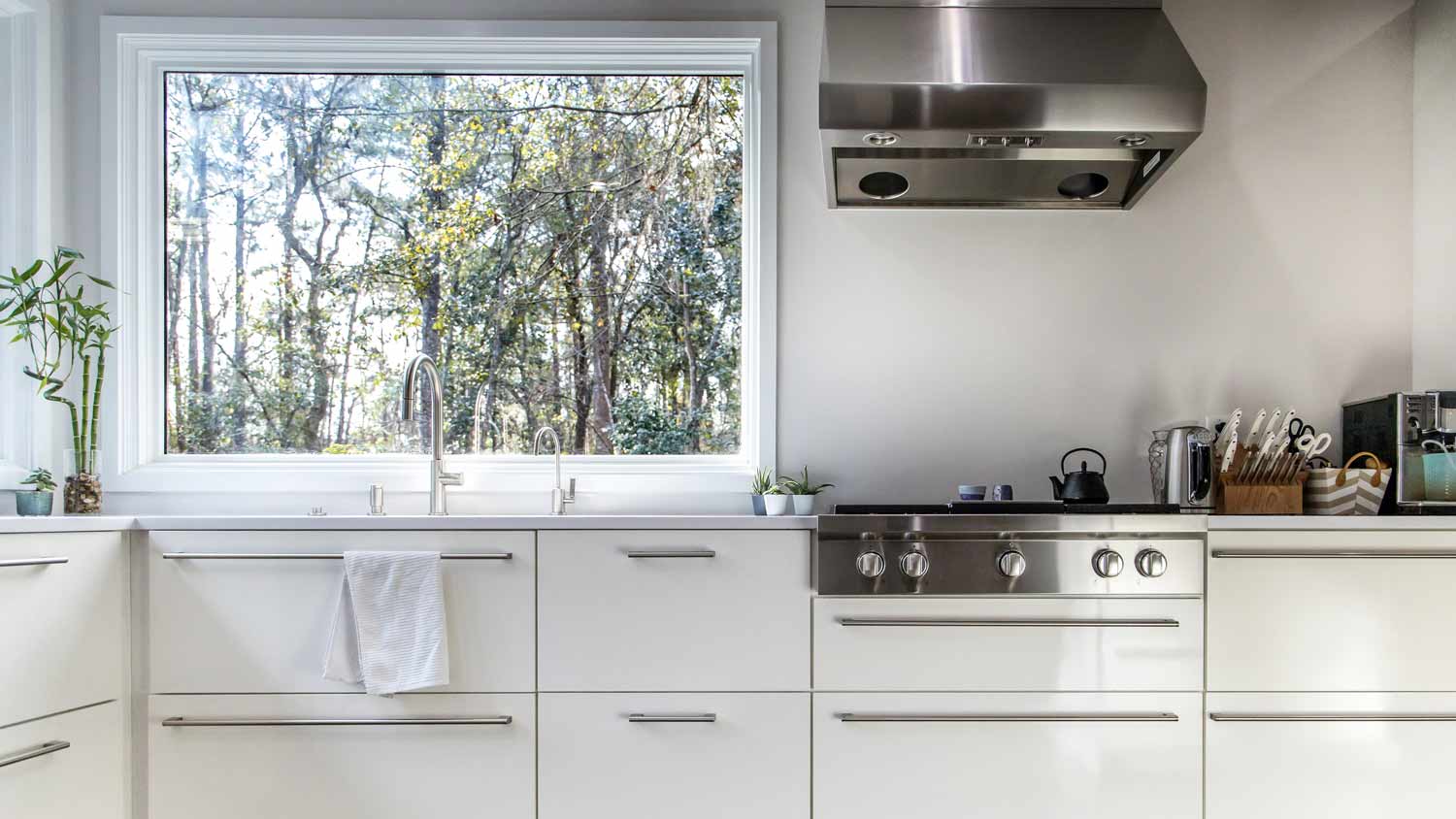
After considering the surrounding properties and overall symmetry, you can start getting creative. Organizing your windows to provide pleasant views is a great way to do just that.
For example, if your home backs up to a pond, wooded area, or mountain view, consider placing large picture windows on the rear of your home to make sure those views are unimpeded. On the other hand, if one side of your house faces an alleyway of commercial property, you should consider using smaller windows so that the less pleasant view isn’t as noticeable from the interior.
Also, remember that views work both ways. If your home is on a busy road with a lot of traffic, using smaller windows can improve privacy and reduce road noise in your living area.
One of the biggest benefits of installing windows is that they provide natural light for your living space. Sunlight brightens up your space during the day, which can help reduce electricity costs and make your home feel more open and inviting.
For the most natural light possible, consider having a window contractor near you install larger windows on the southern-facing side of your house.
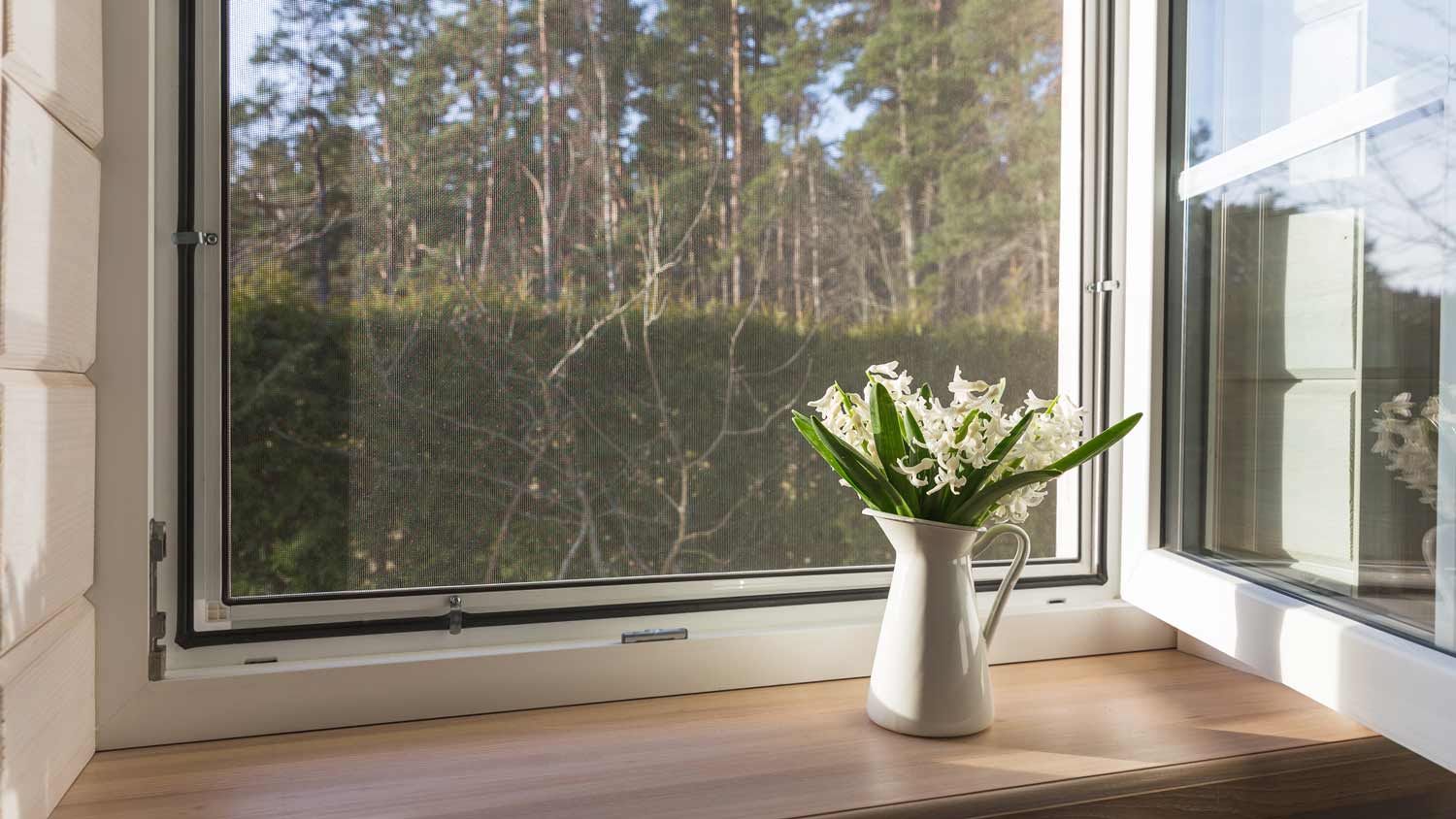
Another big benefit windows provide is ventilation. If you install windows that open and have screens installed, you can get fresh air in your living space, making it feel less stuffy. Natural ventilation can also help cool your house in the summer, which can help reduce cooling costs.
To get the most ventilation possible from your window placement, think about prevailing winds and orient windows toward that direction. You can also create air pathways through your home by orienting windows on opposite walls to get a cross breeze or by installing windows at varying heights on the wall to capture hot air that rises and pulls cool air from down below.
If the prospect of natural light and fresh air excites you, you might think maximizing window density is ideal. However, installing too many windows—or multiple windows too close to each other—can look strange from the exterior and minimize privacy for the people in your home.
There are no hard and fast rules for window density, but you should aim for the majority of your home’s exterior to be solid walls and supplement with windows for light, ventilation, and intrigue.
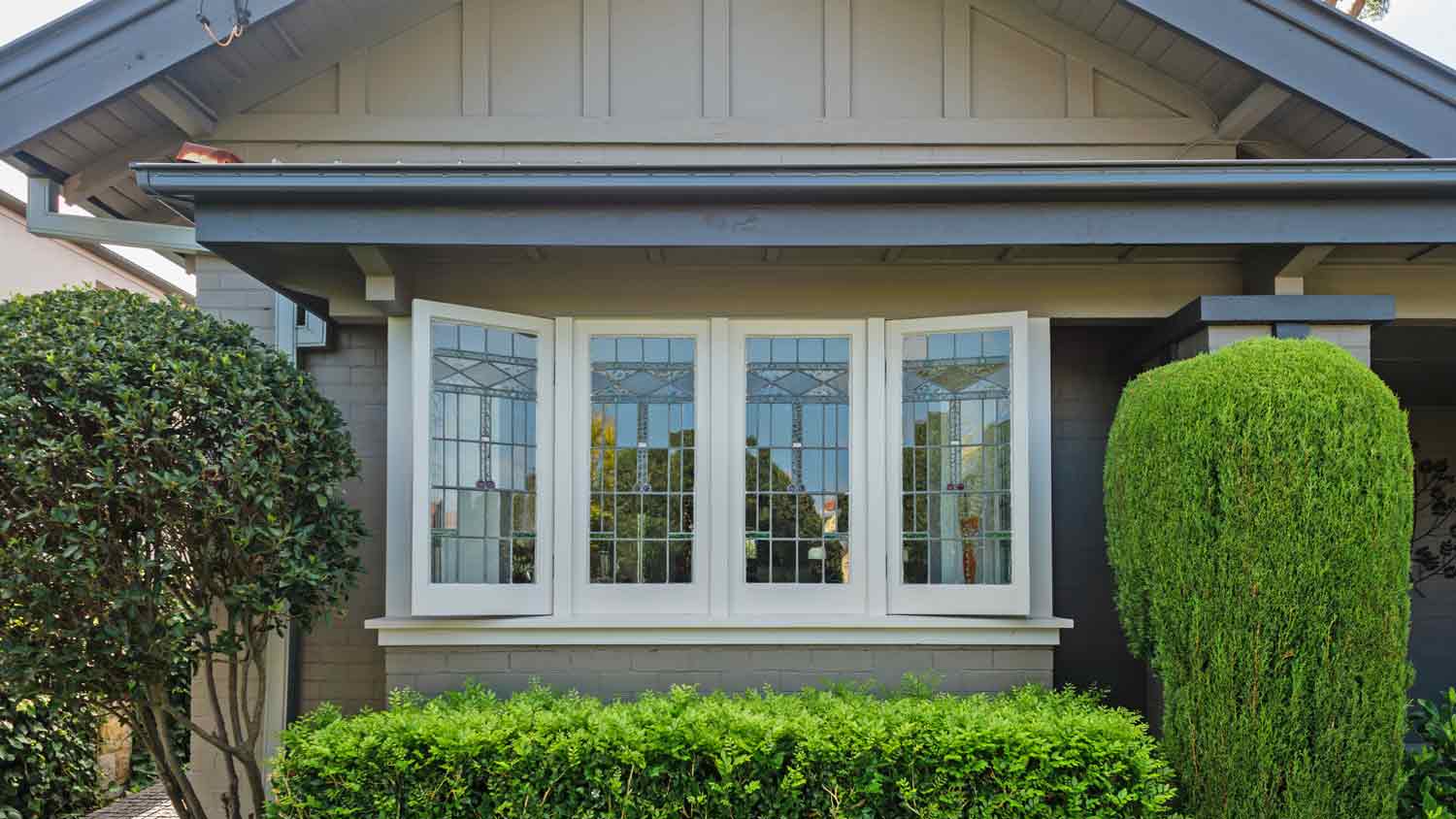
Speaking of overdoing it, installing too many windows can compromise the structural stability of your home, as windows don’t provide nearly as much support as framed walls. Before deciding on window placement, it’s always a good idea to consult with a structural engineer. Be sure to hire a window contractor to ensure you’re not putting your home at risk, especially when it comes to installing larger windows, like bay windows.
Your local building codes will have rules and regulations for where windows can sit on your wall, so your window ideas might be limited. For example, all basements, bedrooms, and converted attics always have to have one point of egress for safety. Egress windows have to be at least 5.7 square feet, be at least 24 inches tall, 20 inches wide, and sit no more than 44 inches off the ground.
Check with your local building department before deciding where you want your windows to make sure you abide by all relevant building codes.
Your region's building codes may require a specific size and number of windows for a certain room. Areas like basements, bathrooms, and kitchens all have window code requirements. Your window pro can walk you through the details and ensure your project is up to code.

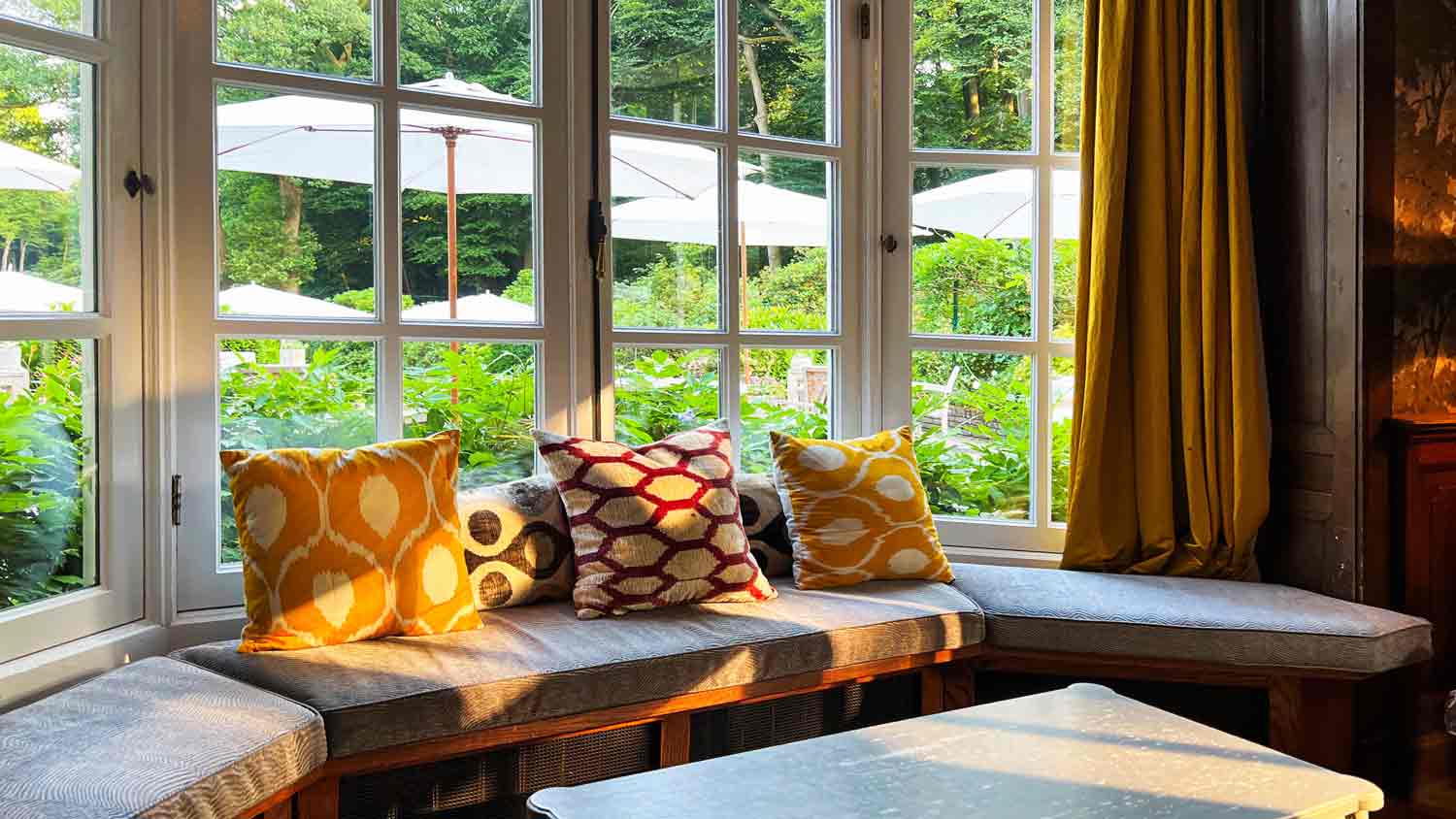
As far as interior design goes, it’s a good idea to use the room to decide where windows should sit on the wall.
For example, rooms with high ceilings might feel dark and empty without windows sitting high on the wall. Bedrooms benefit most from smaller windows for privacy while living rooms are often great places for larger bay window sizes and views of the outdoors.
Finally, it’s a good idea to keep energy efficiency in mind when planning window placement is a good idea.
In North America, keeping smaller windows on the north side of the house and larger ones on the south side will minimize heat loss and allow sunlight to heat your home naturally. An exception to this would be a window on the south side that’s shaded by a tree or another structure outside, so consider your surroundings and exposure as well.
We have used Window Warriors many times with no issues. They arrived on time and were very professional . We have pets and Window Warrior team treated them very well, well trusted team.
 Window Warrior of Columbus, Inc.
I am highly satisfied with the window replacement service I received; the professionals from Savvy Exteriors were punctual and did an amazing job that exceeded my expectations.
 Savvy Exteriors
I hired windows depot USA of central to install new windows in house in Oshawa. Ilya was very professional from the start, not only did he offered a great price, he also made sure the installation was on time. I am very satisfied with final outcome. The windows look great and the overall...
 Window Depot USA of Central Ohio
The team is awesome!! I can generally pick up and clean throughout the week, but they CLEAN! Windows, stair rails, microwave. All the things I can’t ever seem to get to regularly. The house looks and smells great after they leave.
Description says they handle window repair including rotten hardwood - they called me back right away but didnâ t leave a voicemail. I followed up 3 days later and they said they donâ t do that kind of work.
 Window-Gurus
We had a gutter blockage that was causing water to sheet down the side of the house and ultimately it started to come in at a window (need mortar people next). Called around 7:30am, and he responded by 8am. He was able to come out the same morning and do a look over and clean out. He also...
From average costs to expert advice, get all the answers you need to get your job done.
Wooden windows elevate a home’s curb appeal and have a lifespan of up to 45 years. Learn about the cost of wooden windows and how to get an estimate.

If it's time to replace or install a new window, you have plenty of stylish options. Here are 15 types of windows and the best place for each one in your home.
Understanding standard window sizes is easy once you get the hang of it. Here's how to order windows just like the pros.
Replacing or switching windows leaves homeowners with a choice: casement or double-hung? This article lays out their pros, cons, and differences.

A garden window can add light, shelf space, and beauty to your home. Find out what a garden window is and if it’s right for your home.
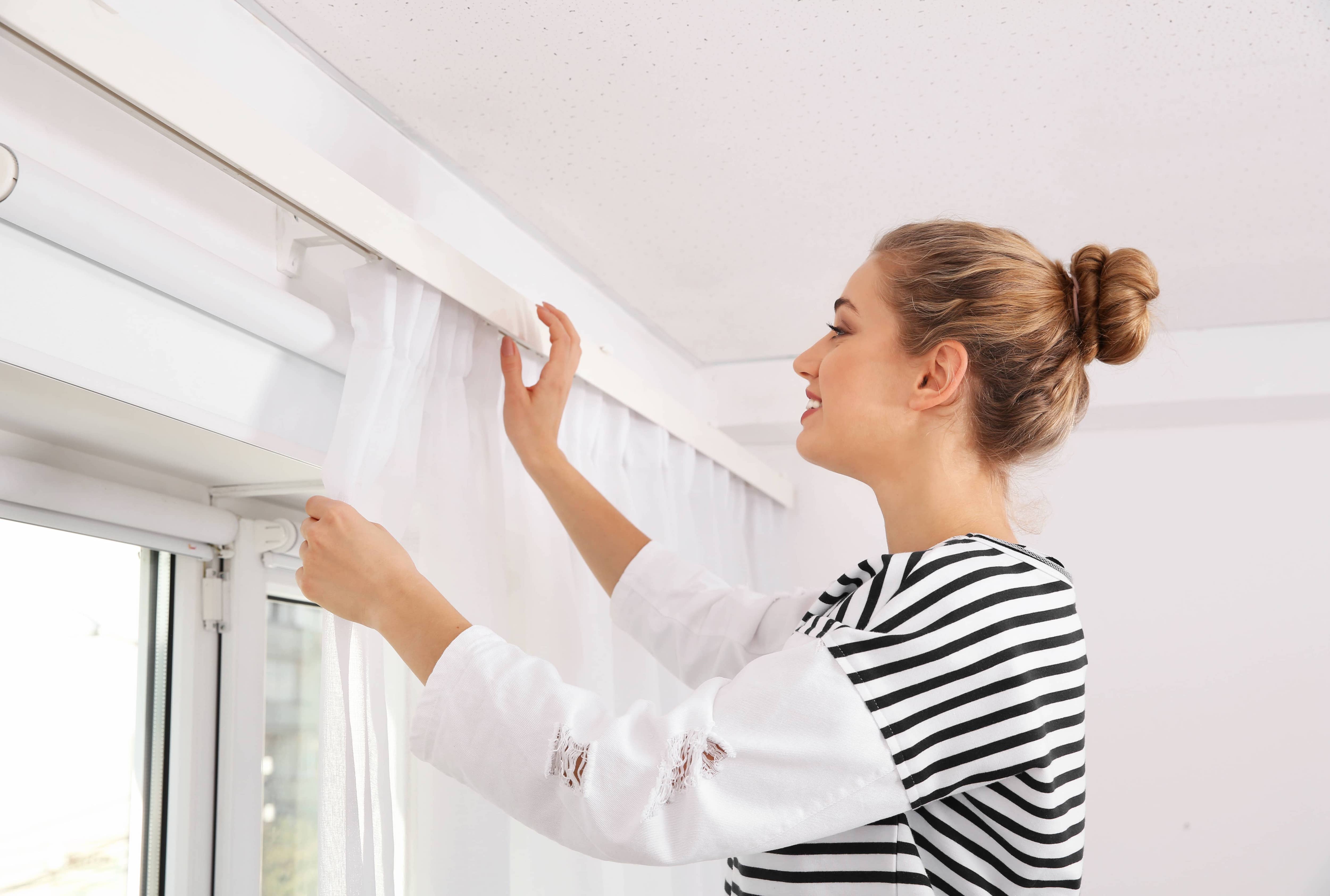
The wrong curtain measurements can make a room look smaller while the right ones can make a room look larger. Learn how to hang curtains like a pro with this guide.