
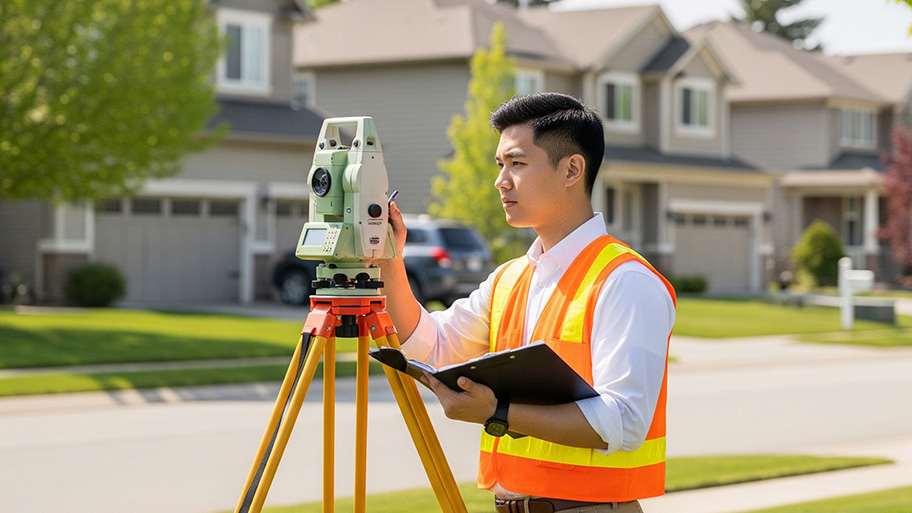
A land survey can determine your property’s borders and settle property disputes. Learn how much a land survey costs and what can affect the price.
Usually the buyer pays, but there are some exceptions

Property survey costs range from $376 to $768 on average, with some surveys as low as $200 for small plots and up to $3,000 for large properties requiring detailed ALTA/ACSM surveys.
As the buyer, you benefit most from a land survey because it confirms what property and improvements you're purchasing and protects your investment before closing.
Your lender often requires a survey to verify the property they're accepting as collateral, so check your financing requirements early to avoid delays during closing.
Hiring a local land surveying professional provides reliable measurements and boundary confirmation, helping you understand easements and property lines before you commit to the purchase.
In many cases, a real estate transaction will require a land survey to confirm for all parties involved what parcel and improvements are included in the sale. But who pays for a land survey: the buyer or the seller? In this guide, we’ll explain who typically pays, some exceptions that might apply to your situation, when you need a survey, and more.
There’s no hard and fast rule in place dictating who pays for a land survey, but in most cases, the buyer will cover the cost.
Buyers pay because land surveys benefit them, not the seller. Many lenders will require surveys to confirm the property and improvements they’re using as collateral, so the buyer, to meet their own lender’s requirements, will pay for the survey.
Getting a land survey is also a good way for buyers to protect themselves. Surveys can show easements that may significantly devalue the property, so getting a survey done before closing is a good way to protect your investment and ensure you’re paying a fair price.
While buyers pay for land surveys in most cases, there are a few exceptions where a seller might cover the cost:
They already had a survey done: Land surveys are usually good for five to ten years, so if a seller recently had a survey done, they may just offer the results to a buyer to save them time and money. Sellers may have surveys on file to make the sale go more smoothly, if they planned on subdividing or building on the land, or to settle property line disputes with neighbors.
They want to incentivize buyers: Sellers may offer land survey results up front to make the property more appealing to buyers. Surveys can help avoid surprises after the sale of a home or even during negotiations if they uncover encroachments or easements. Having a survey up front is a good way for sellers to show buyers they’re serious about the sale and to dispel any related concerns before they even surface.
They want to close the deal: Sellers may also offer to cover the cost of a land survey if the buyers don’t have the funds to get the work done or if they’re unwilling to pay the cost. Sellers can use survey fees as negotiation tactics to keep the deal alive and agree to hire a land surveyor for the buyer.

A land survey is never a legal necessity, but there are some cases where you’ll need a survey to close. Most mortgage lenders will want verification of the property they’re accepting as collateral, so if you’re financing your home, chances are that you’ll need a land survey or a boundary survey at the very least. Some lenders won’t require one, but it may depend on your initial equity position and location.
If you’re paying for a property in cash, you don’t need a survey, but it’s a good idea to hire a local land surveyor anyway to confirm what exactly you’re buying.
This company does it right. Firstly, I want to say that Landan was a joy to work with. He was so kind, transparent, and had everything under control. His entire team showed up ready to work and they were all very respectful of the fact that we were in an office space. A little backstory – we...
 Krumlauf Floors
D1 Roofing delivers outstanding service from beginning to end, backed by a strong warranty and expert teams. I highly recommend them for their excellence in meeting and surpassing expectations with unmatched communication. Choosing D1 Roofing was flawless decision
 Division 1 Roofing LLC
Our homes curb appeal skyrocketed thanks to Custom Paint Jobs LLC s exterior painting.
 Custom Paint Jobs, LLC
Visited my home for estimate same day that I called. Painted on Saturday. Great job. Good price!
Excellent experience with hiring Tether House to Mount our 77’ Samsung TV in our bedroom. Fast, friendly, and knowledgeable. Highly recommend.
 Tether House
I had Window Depot USA of Central recommended from a friend and it was a great referral. From the first visit to the final install,my wife and I were very very satisfied. I was updated throughout the whole process. It was a pleasure doing business in a timely professional manner. We have...
 Window Depot USA of Central Ohio
Excellent experience! Left my place looking great. Friendly customer service too. Would recommend!
First of all, the gentleman I dealt with (Cam?) was very responsive to my many questions and concerns throughout the project, which is a huge plus to me. From the first time I met him for the estimate all the way til the completion of the job, he and his crew were professional and respectful....
 All Star Paving and Sealing
Went well overall! The two downsides were 1) they only provided 2 of the 3 men promised and 2). the office guy who surveyed our apartment prior to the move underestimated the amount of stuff we had so the truck was too small. This meant the moving day lasted a bit longer than anticipated....
 Mr. Mover of Ohio Inc
I called and left a message about needing some property lines surveyed and they never returned my call. :( <br />
 Ackison Surveying LLC
From average costs to expert advice, get all the answers you need to get your job done.
A land survey can determine your property’s borders and settle property disputes. Learn how much a land survey costs and what can affect the price.
Discover site preparation cost estimates, including average prices, cost factors, and tips to help homeowners budget for their next project.
Going from an undeveloped plot to your dream home can be expensive. Learn about the cost to develop land and what factors can affect your total.

A land surveyor can perform a land survey and help clarify your property boundaries and features. Use this guide to find the right professional.

If you've just been told that you need a land survey to continue your project, what time of land survey do you really need? Here are eight main options.
Planning to build a fence or home addition? Learn about land surveying costs, property boundaries, and how to hire the right local pro for your project.