
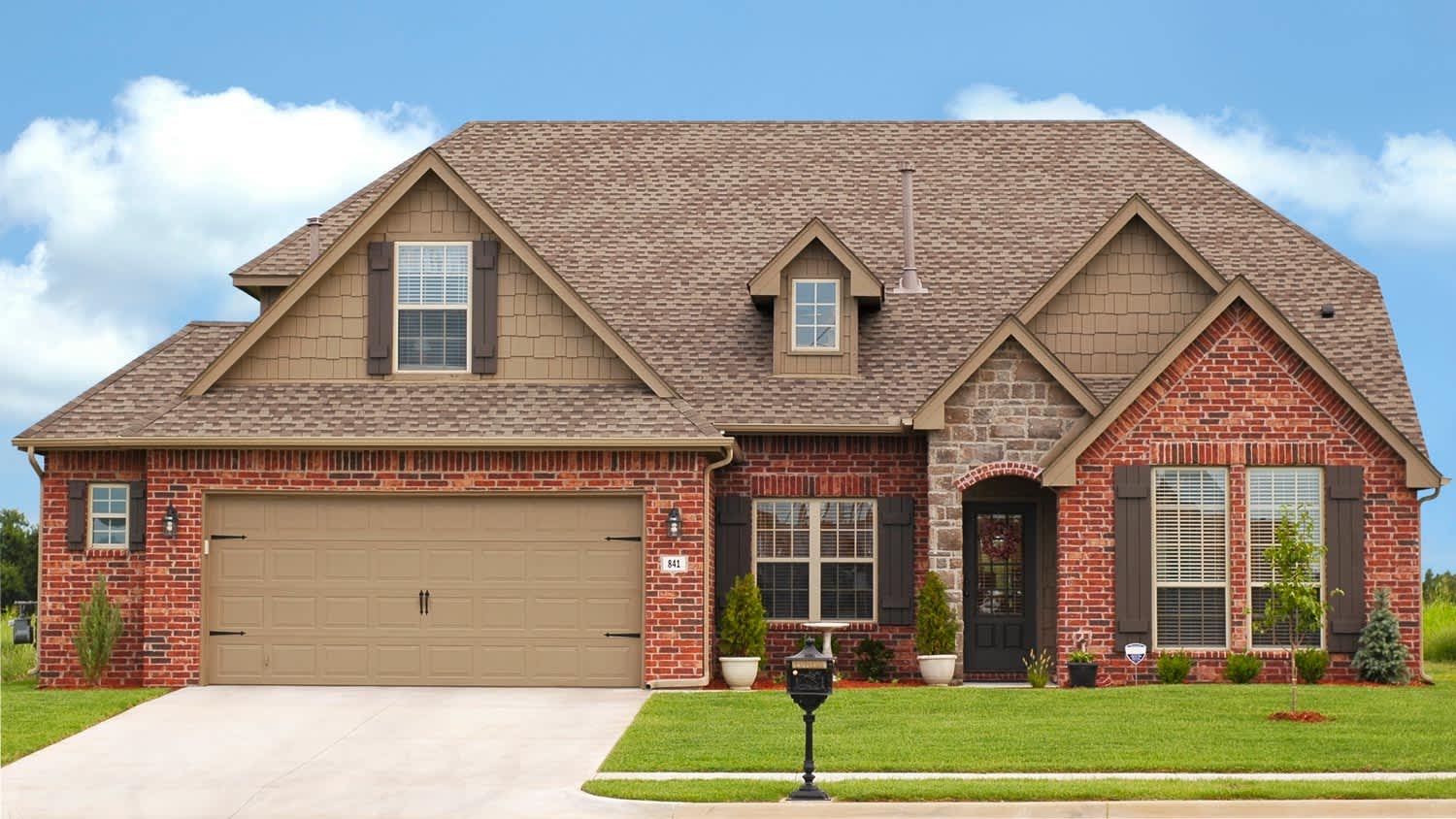
Hailstorms can cause extensive, costly damage to your roof. On average, hail damage roof repairs cost $4,250, depending on the damage and materials needed.
From the size of marbles up to grapefruits, hail brings a variety of impact

Quarter-sized hail measuring 1 inch in diameter can damage your roof shingles, and larger hailstones tear through roofing materials and crack concrete surfaces.
Expect to pay $375 to $7,500 to repair hail damage on your roof, so addressing issues early helps prevent larger problems and higher costs.
Your roof shows hail damage when you notice missing shingles, granule loss in gutters, or cracks that let water seep through to your home's interior.
Hiring a local roof sealing professional provides reliable help assessing shingle damage and completing repairs that keep your roof watertight and protected from leaks.
Hail might be frozen raindrops—or supercooled water—but the pelting on your roof can pack a punch and cause some damage. Depending on the size and duration of the storm, your roof may even need an inspection to assess the damage. Here’s what to know about what size hail will damage a roof.

The National Severe Storms Laboratory (NSSL) breaks down hail sizes into categories comparable to commonly found items. Here’s what to know about everything from 1/4-inch hail (pea-sized) to 1 3/4-inch hail (golf ball-sized) and up.
1/4 inch is about the equivalent of a pea. This size of hail could be potentially damaging but is unlikely to cause major holes and tears in roofing since it’s the smallest measurable variety and can be blown away by horizontal winds. With minimal impact, it’s most likely to leave a quick-melting mess on your lawn.
The next commonly found hail is comparable to a mothball in size, or about 1/2 inch. This size is still not large enough to do a ton of damage on its own—unless there are accompanying high winds or it’s super dense. This hail diameter falls on the smaller end of the spectrum.
Penny-, nickel-, and quarter-sized hail can have a damaging impact. According to the NSSL, anything quarter-sized (or 1 inch in diameter) is considered “severe.” Storms with hailstones that are 1 inch in diameter or greater are considered severe storms and are likely to inflict shingle or material damage.
Needless to say, when the diameter is equivalent to ping-pong-ball-sized hail and up, it’s going to carry some literal weight. The damage potential is high at this size, and larger hail will tear through shingles and window frames and crack concrete roofs. Split or knocked down trees, wooden and brick wall damage, and other serious risks are associated with super hailstorms (when hailstones are 3 1/4 inches in diameter and up).

Hail sizes can vary during one storm. The larger the hailstone, the greater the risk and damage potential. During a storm, rain travels into cold atmospheric areas and freezes. Eventually, the size of the hailstone weighs it down, and it falls toward Earth, gathering speed.
Other weather elements can impact hail damage, too, including wind speeds and direction. Horizontal winds can carry hailstones at a sideways angle that can batter your home’s siding, chimney, gutters, and flashing. When this happens, there can be noticeable damage to your home’s roof and exterior. Here are some ways hail damage is bad for a roof, telltale signs of hail damage, and what size hail is commonly to blame.
Hail that’s 3/4 inches in diameter may not be large enough to cause widespread damage on your roof, but it can wreak havoc on gutters and screens around your house. These smaller points can add up to a larger problem for your home’s functionality. Broken gutters make it harder to direct water away from the exterior or manage water and keep the flow of debris and leaves moving away from your roofline after a storm.
Roof shingles are coated in granules of small, colored minerals. Hail can knock loose these granules during storms, especially if your roof is older and already has some wear from weather and age.
You’ll know your roof has experienced granule loss if you see granules at the end of downspouts and in gutters. If the granule loss is extreme, you may see bald spots on your shingles.
This is more than just a cosmetic issue. Shingles with missing granules are more susceptible to UV damage, water infiltration, water damage, and decreased energy efficiency. Simply put, losing granules decreases the effectiveness and life span of your shingles and entire roof.
Shingles are hardy, but they can crack under direct impacts like those from a hailstorm. Large hailstones, older and deteriorated shingles, and sudden temperature changes are all risk factors for shingle cracks.
There are three common types of shingle cracks:
Minor surface cracks are on the top surface of shingles. They may not cause leaks at first, but over time, they can worsen and begin to leak.
Through cracks go all the way through the entire shingle. These let water leak through and into the underlying roof structure, which can cause water damage to the roof and your home.
Tear cracks are a combination of cracking and tearing due to long, jagged cracks caused by hail. These compromise shingles and your roof’s waterproofing layers.
After a hailstorm, have a roofing company look at your roof for shingle cracks. If they see cracked or torn shingles or other problems, have them fix them as soon as possible to prevent leaks that can cause water stains, mold growth, and structural problems. If the damage isn’t bad enough to require a new roof, a local roof sealing company may be able to help you seal out leaks and water damage and prolong your roof’s life span.
Hail damage on a roof often looks like missing and dented shingles, one of the most common hail damage signs. Insurance adjusters will commonly look for dents, dings, and missing shingles. Granules from the shingles may have also rolled down and collected in your home’s gutters. Typically, 1-inch hail is a culprit of missing shingles and significant roofing disruption.
Larger hail that’s ping-pong-ball-sized (1 1/2 inch) can rip through shingles and right past the lining of your roof, which is responsible for keeping out moisture and helping the roof retain its weather-resistant, energy-efficient properties. If the underlayment and sheathing are damaged, you’ll need repairs or replacement ASAP so that water doesn’t get into your attic insulation and drip down through your ceiling, damaging finishings, walls, and flooring.
If you have a metal roof and wonder what size hail can damage it, 1-inch hail will do the trick. However, metal roofs hold up better than their shingled counterparts, especially metal roofs that are 26 gauge or thicker.
Most types of asphalt shingles have adhesive strips that help secure them to your roof, along with roofing nails. If that adhesive strip fails to adhere correctly or separates from the other shingles due to hail or other weather, the shingles can lift up or become loose. You might see flipped-up or lifted shingles, hear shingles flapping in the wind, experience roof leaks in your home, or even see the sealing strip adhesive if you look up at your roof.
It’s vital to fix shingles with sealing strip separation or failure, as shingles that aren’t adequately adhered can be torn off by wind, leak, or cause your roof to fail sooner.
Most homeowners insurance plans cover hail damage and may help you recoup some costs around repairing or replacing the damaged roof. If you’ve experienced a severe storm and are curious if your roof needs repair or replacement, a roofer near you can provide an initial assessment and get an insurance contractor involved if there seems to be significant damage. The average cost to repair hail damage on a roof ranges from $375 to $7,500.
If your roof has significant damage, an insurance adjuster will come to evaluate it and start a hail damage insurance claim. Document as much damage as possible and speak to your insurance immediately.
Mitchell and the crew were top tier i am so happy with my new roof
 Home Genius Exteriors
D1 Roofing delivers outstanding service from beginning to end, backed by a strong warranty and expert teams. I highly recommend them for their excellence in meeting and surpassing expectations with unmatched communication. Choosing D1 Roofing was flawless decision
 Division 1 Roofing LLC
This place took $25,000 for a flat roof job with a five-year warranty and never returned to fix the leaks that were caused by their work. These people are not professionals and should not be doing this type of work. They incorrectly changed the pitch of the roof, and caused more damage than...
The technician was very professional and friendly. He answered all my questions and was very thorough. He left the fireplace area very clean . He inspected from the roof and advised me as to other work that might need to be done. There was no pressure there. I was very satisfied with the...
 Supreme brick & chimney
I am really impressed with their timeliness and turnaround. Mitchell came out, and we decided to move forward with their pricing. Our roof was on within a week, and we could not be happier with their team! Amazing company, great prices and honest, dependable craftsmanship. I highly recommend...
 Window Depot USA of Central Ohio
Manuel Calvillo is the best option in the area for roofing and you won't be disappointed.
They damaged multiple items on my property, including a marble slab used as a table top, tried to hide it, and refused to pay or replace. Arrived day one without a ladder to access roof & delayed a day. Left a mess in back yard; didn't wear face masks; no show by owner to property to see damages
 Grants Tree Service
I've hired Gary/Cherokee Roofing for two different homes, work quality, responsiveness, and completion have been great both times. And the prices quoted were very competitive. I would definitely hire again.
Lyle did a great job removing asbestos shingles from our front porch roof. They worked together with our roofer to make sure that the new roof was able to be installed on the same day that Lyle removed the asbestos shingles.
 Lyle Environmental
Bradley Builders did a good job replacing the roof on our front porch. They color-matched the existing shingles on the rest of the house and installed a metal ridge roll since we live in a historical neighborhood. They did the job while we were out of town. When we got back, everything was...
 Bradley Builders, Inc.
From average costs to expert advice, get all the answers you need to get your job done.
Hailstorms can cause extensive, costly damage to your roof. On average, hail damage roof repairs cost $4,250, depending on the damage and materials needed.
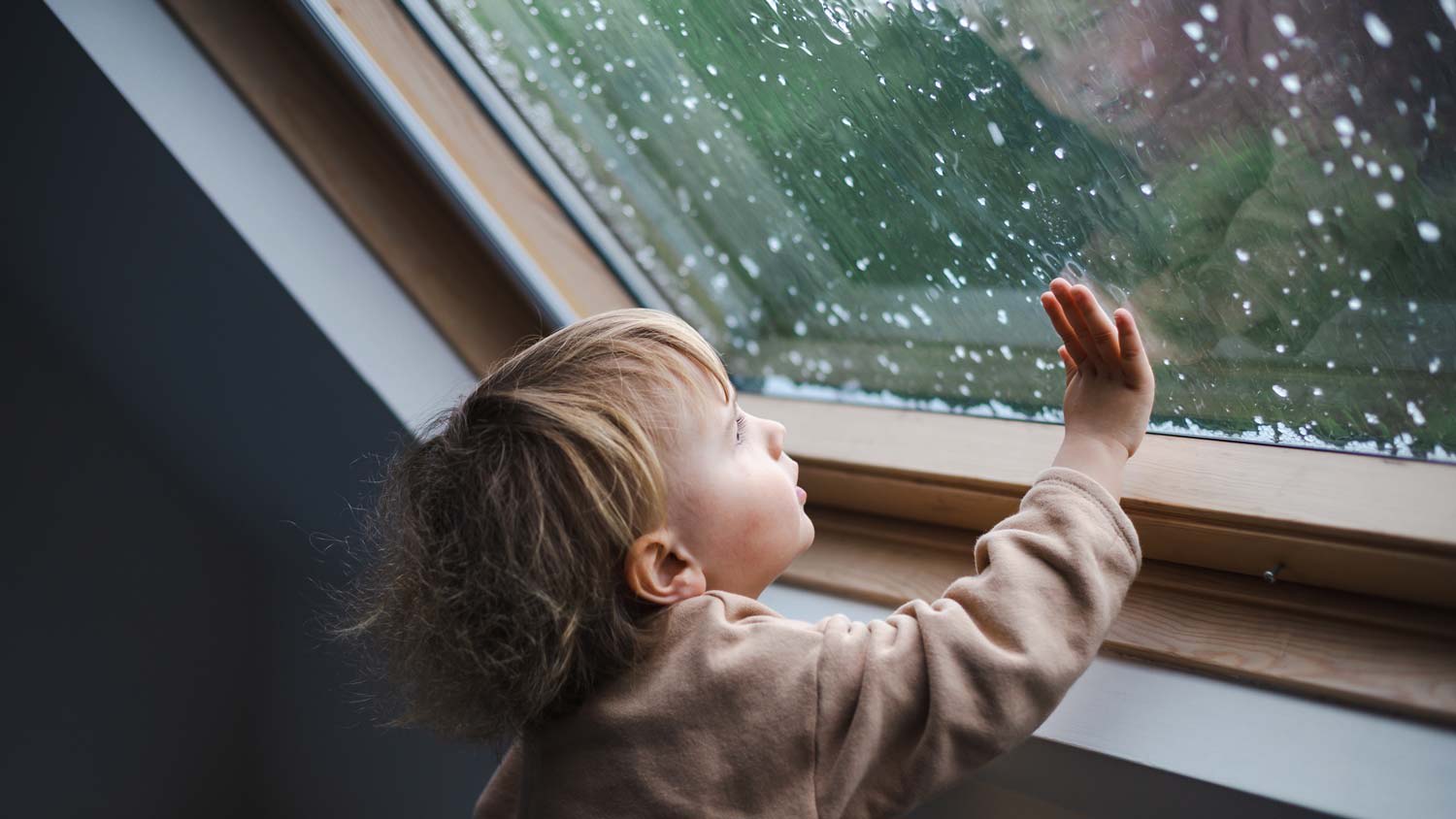
Why is hail damage bad for a roof? You’ve probably heard horror stories about what hail can do, but let’s dig deeper into what’s really going on.
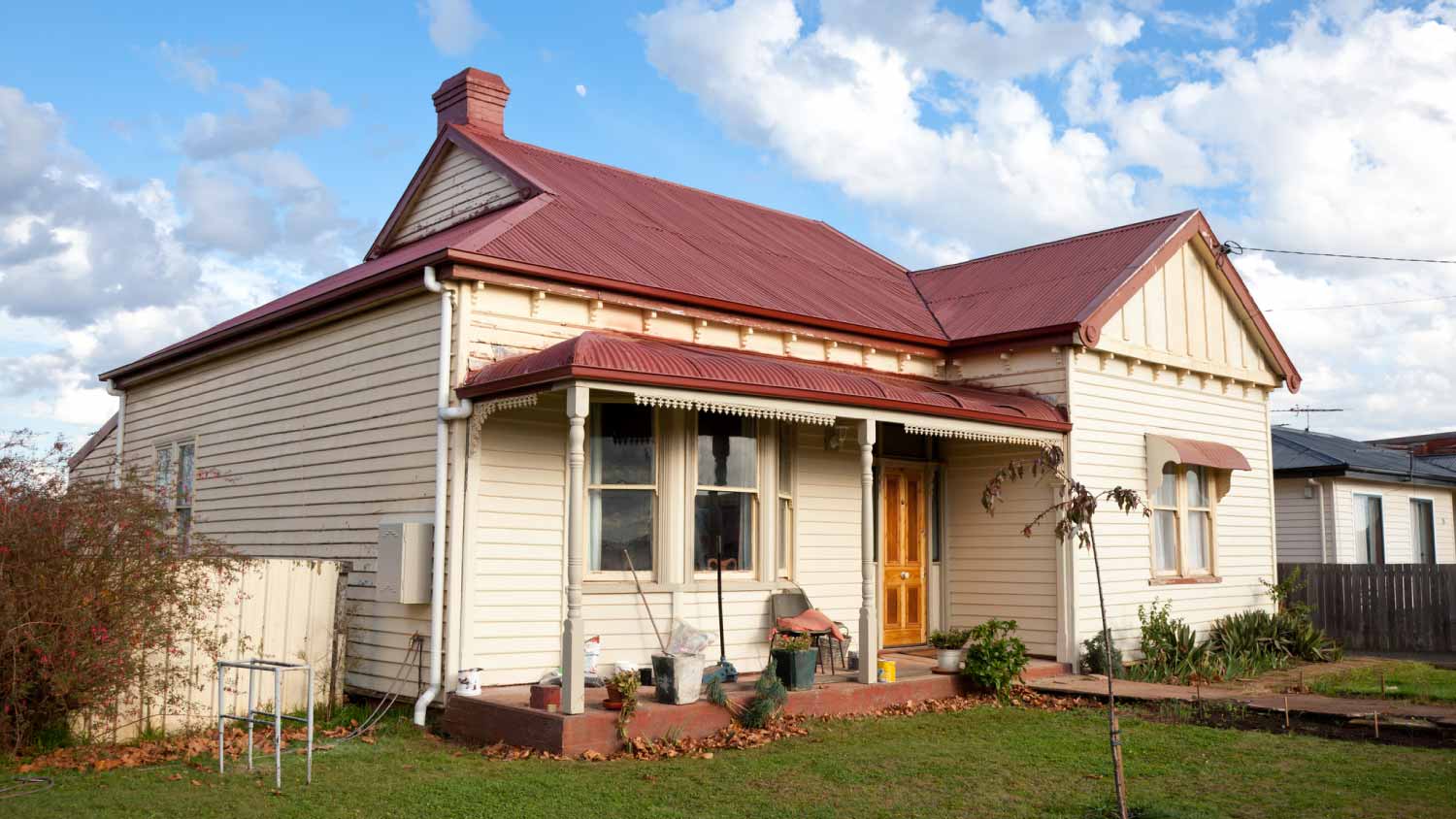
Hail is small but mighty. Is your metal roof strong enough to withstand extreme weather conditions, like a hailstorm? Here’s everything you need to know.
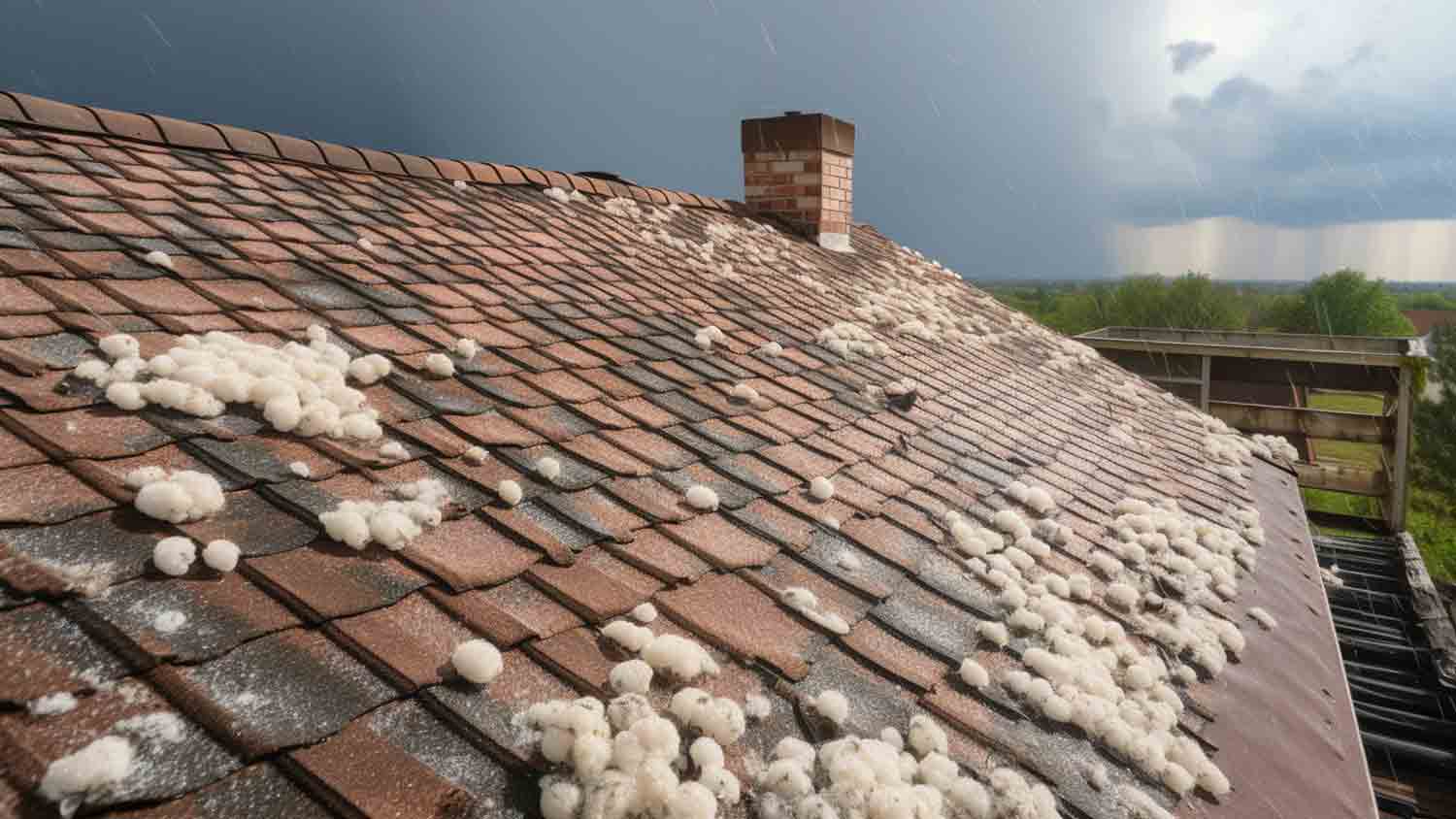
Hail damage can cause leaks and reduce the lifespan of your roof. But what does hail damage look like on a roof? Learn how to spot it and what to do about it.
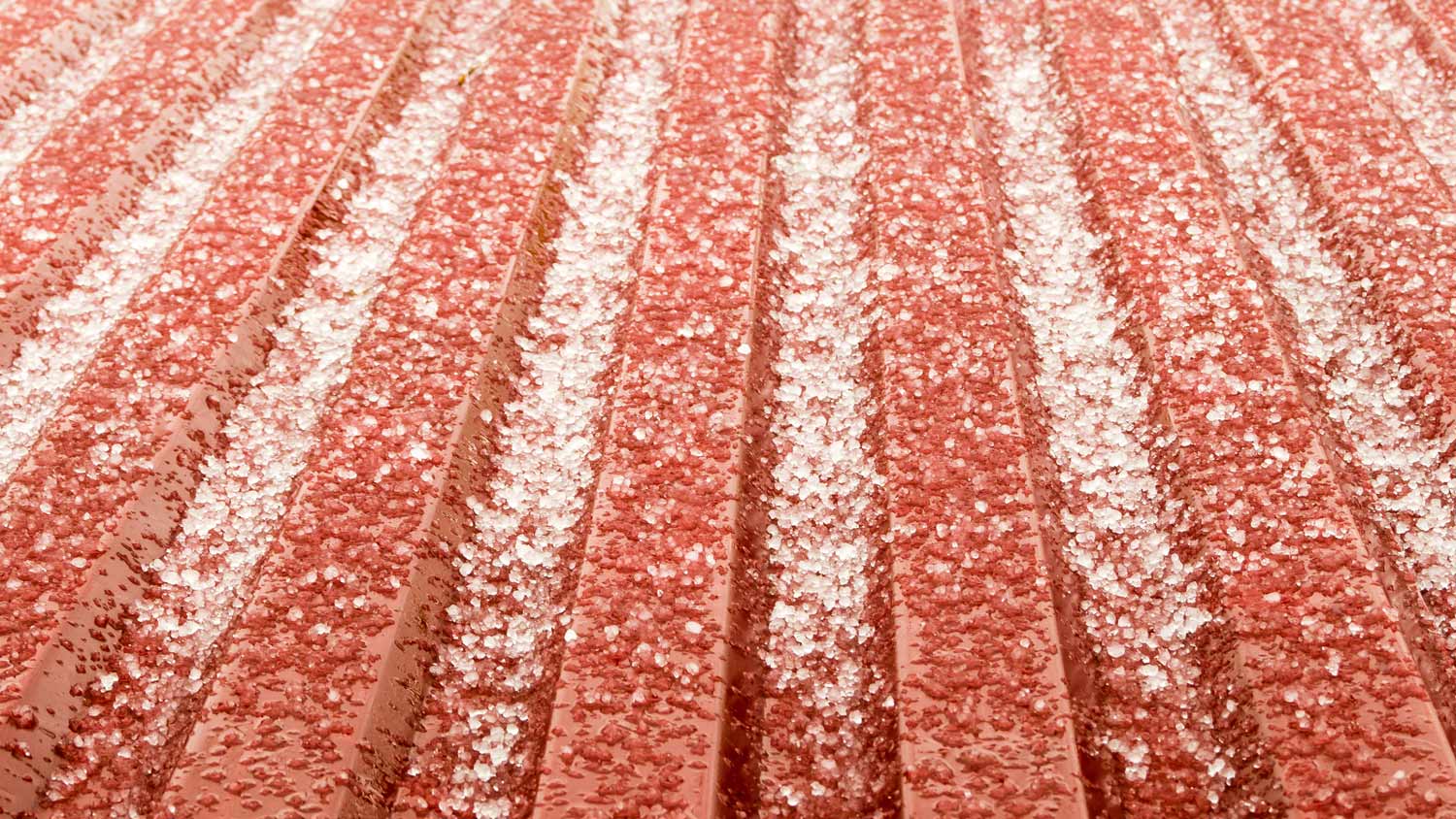
Learn how hail can damage your roof, what signs to look for, and when you should repair or replace your roof after a storm.
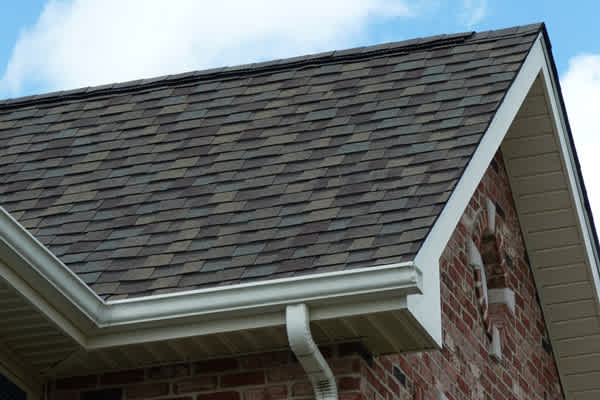
If a rough storm passes through and leaves you with a hail-damaged roof, would you know what to do? Check out important hail damage protocols here.