
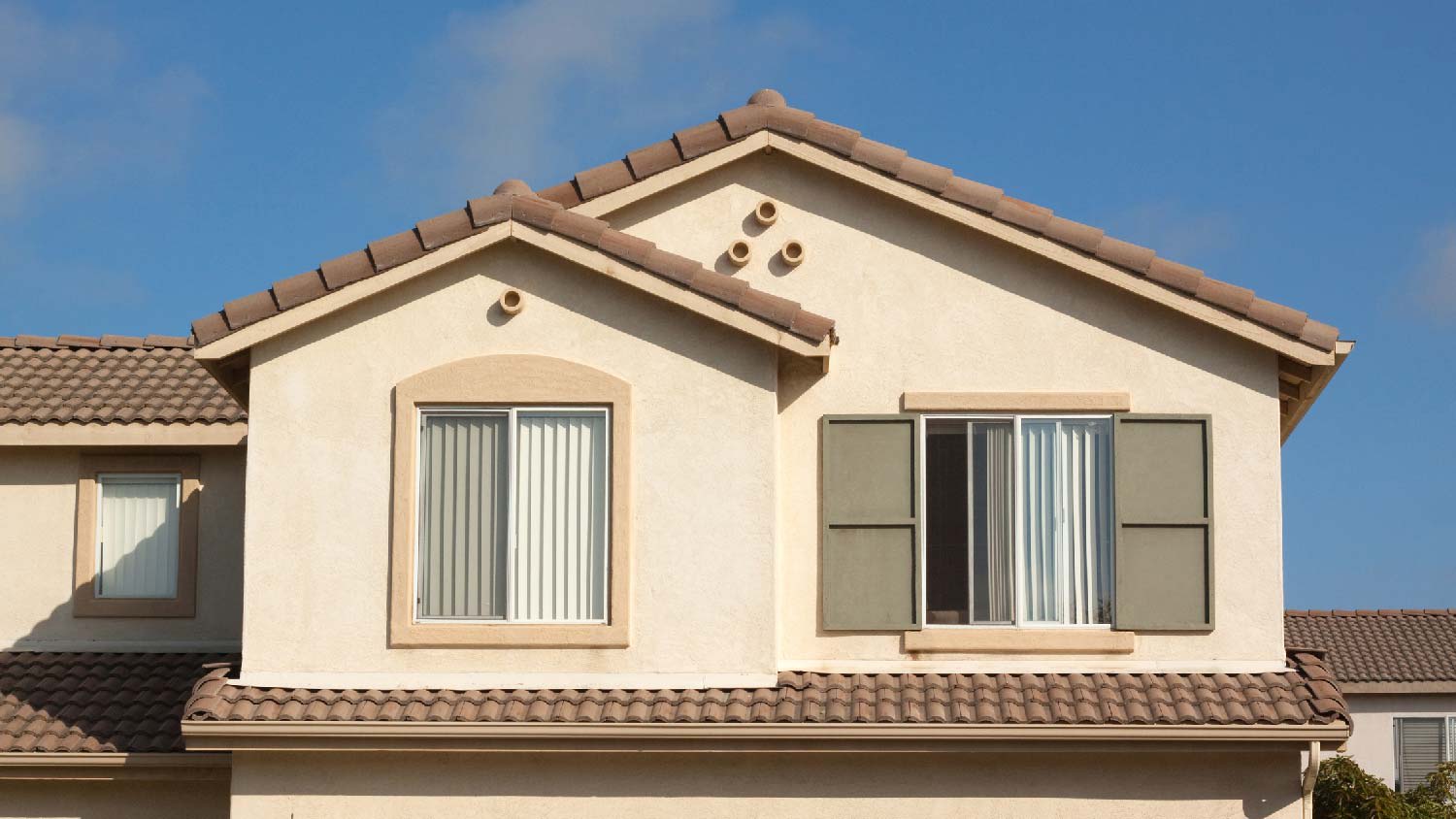
The cost to sandblast your home’s exterior or another surface on your property depends on the method and the materials you use. Learn more with this guide.
Soda blasting is a safe and gentle way to clean almost anything

Soda blasting uses pressurized sodium bicarbonate to clean surfaces gently, removing paint, grease, rust, and mold without damaging your materials.
Expect to pay $1.50 to $2.50 per pound for blasting medium and around $200 to rent equipment for your project.
You can clean car parts, fiberglass, wood, metal, concrete, and masonry with soda blasting without scarring or etching the surface.
Hiring a local sandblasting service professional provides reliable help with surface preparation and coating removal, keeping your project safe and efficient.
Soda blasting is a method of cleaning that uses pressurized sodium bicarbonate, also known as baking soda, as a gentle abrasive to clean objects and even remove tough coatings without damaging the surface. The system for soda blasting operates similarly to regular sandblasting, using compressed air to bombard the surface with particles. The result is that finishes, coatings, dirt, grease, and calcium deposits can be removed without damaging the surface you are targeting. You can rent equipment for soda blasting, or you can get some help from a local pro. Here is how it works.
To soda blast an area yourself, you can expect to pay between $1.50 and $2.50 per pound for the medium and $200 on average to rent the blasting equipment. You can expect to use about five to 10 pounds of sodium bicarbonate medium per square foot for most soda blasting jobs. The price of the equipment may vary depending on the scope of your particular job.
To hire a company to do soda blasting for you, expect to pay between $1.50 and $7 per square foot, depending on the size and complexity of your job.
Baking soda, the abrasive material in soda blasting, is gentler than other types of sandblasting materials, so it is better for surfaces where you are concerned about causing damage.
On the Mohs scale to determine hardness, sodium bicarbonate is the least hard medium used for blasting. This can include things like car parts, brick and stonework, tiles like those in pools and patios, and even outdoor furniture. Soda blasting can remove graffiti, paint spills, grease, oil stains, mold, and smoke damage without causing visible marks on the surface that you are cleaning.
| Medium | Hardness |
|---|---|
| Sodium bicarbonate | 2.5 |
| Walnut | 3 |
| Plastic bead | 3.5 |
| Glass bead | 5.5 |
| Garnet | 8 |
| Aluminum oxide | 9 |

Soda blasting is a versatile way to clean many surfaces. Since it is relatively gentle compared to traditional sandblasting, it can be used in some situations where sandblasting would not be recommended. Soda blasting can be used to remove:
Paint
Protective coatings
Calcium deposits
Smoke residue or soot
Rust
Oil
Grease
Gum
Adhesives
Mold
Ink
Asphalt
Powder coating
Since soda blasting is gentler than traditional sandblasting and the medium comes apart more easily on impact than the mineral aggregate used in sandblasting, it is good for cleaning delicate surfaces and specialty parts, as well as other types of surfaces. It does not tend to scar or etch the surface that it is being used on. Soda blasting can be used to clean:
Car parts
Fiberglass
Stucco
Wood
Metal
PVC
Aluminum
Composite
Stone
Concrete
Masonry
Plastic
Asphalt
Pavers
Because it is more gentle, soda blasting is less useful for removing thick, built-up rust. It should not be used around gardens or foliage because of its alkalinity, as it can kill plants by changing the pH of soil. It can be difficult to get the sodium bicarbonate medium to target very smooth surfaces, like gloss paint on metal, because it is not as hard as the aggregate used in traditional sandblasting.
Sodium bicarbonate has an alkaline pH, but aside from causing some skin and eye irritation, it is relatively harmless. While you should wear proper safety equipment when using soda blasting equipment, including goggles and gloves, contact with sodium bicarbonate does not cause any long-lasting symptoms or damage to people.
Using soda blasting outdoors is also considered to be safe, as the sodium bicarbonate does not have lasting effects on the surrounding environment. Although dust from soda blasting can change the pH of soil local to the blasting, it generally does not persist in soil or cause damage outside of the blasting area. Using some dust control, such as wetting down the area around which the blasting occurs and setting up barriers like tarps or drop cloths, can help prevent local damage to plants.
Custom Paint Jobs LLC is the go-to choice for all your painting needs. They painted both the interior and exterior of my house flawlessly. Their work speaks for itself!
 Custom Paint Jobs, LLC
Beginning with the estimate, Larry and Peyton were super helpful in getting my new condo's interior re-painted. Not only was the job well done, but also done in a super timely manner as promised.
 Five Star Painting of Plain City and Powell
From average costs to expert advice, get all the answers you need to get your job done.
The cost to sandblast your home’s exterior or another surface on your property depends on the method and the materials you use. Learn more with this guide.
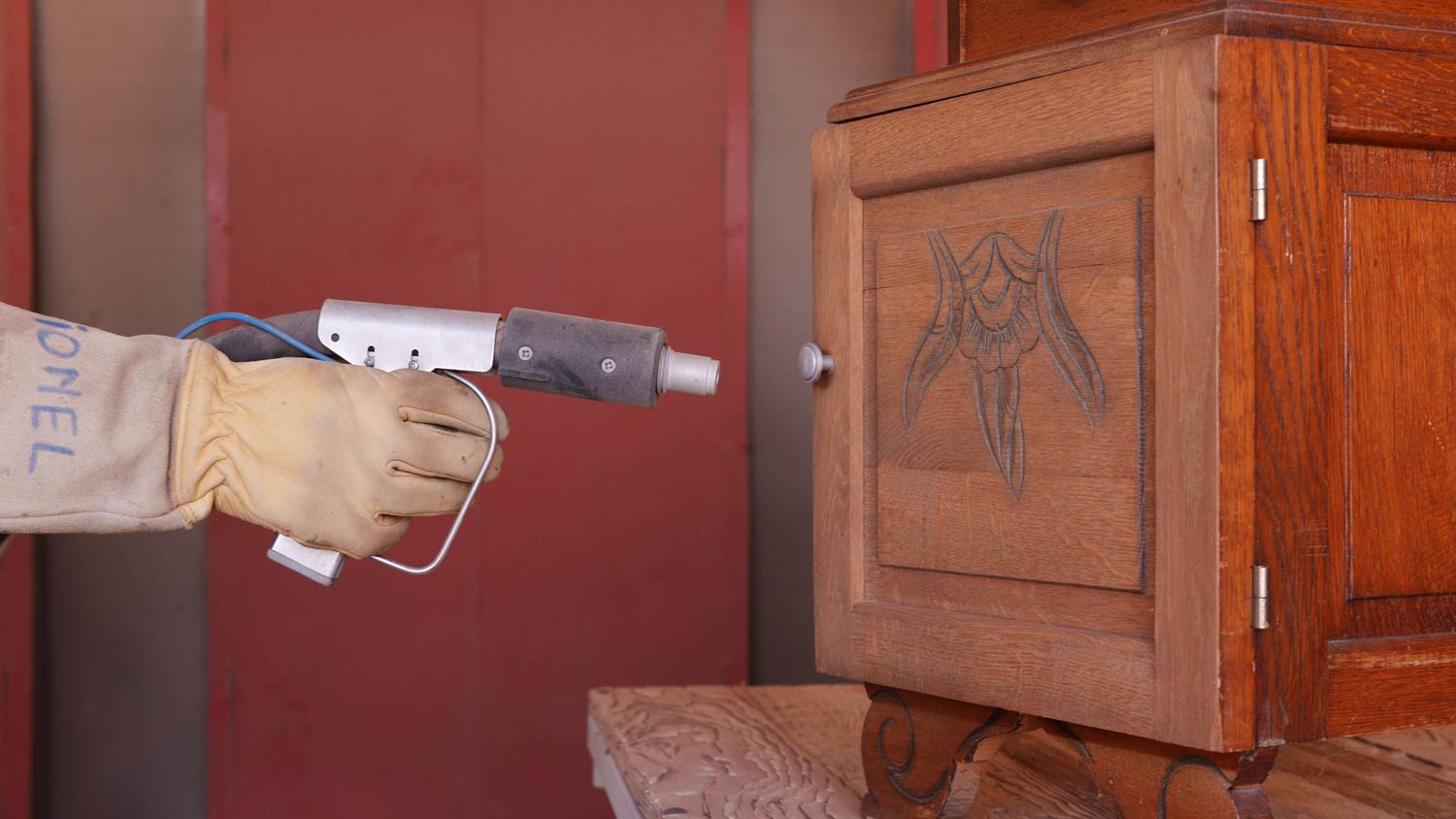
Sandblasting is a powerful method to remove paint, primer, and other coatings from hard surfaces. Learn the cost to rent a sandblaster and the factors involved.
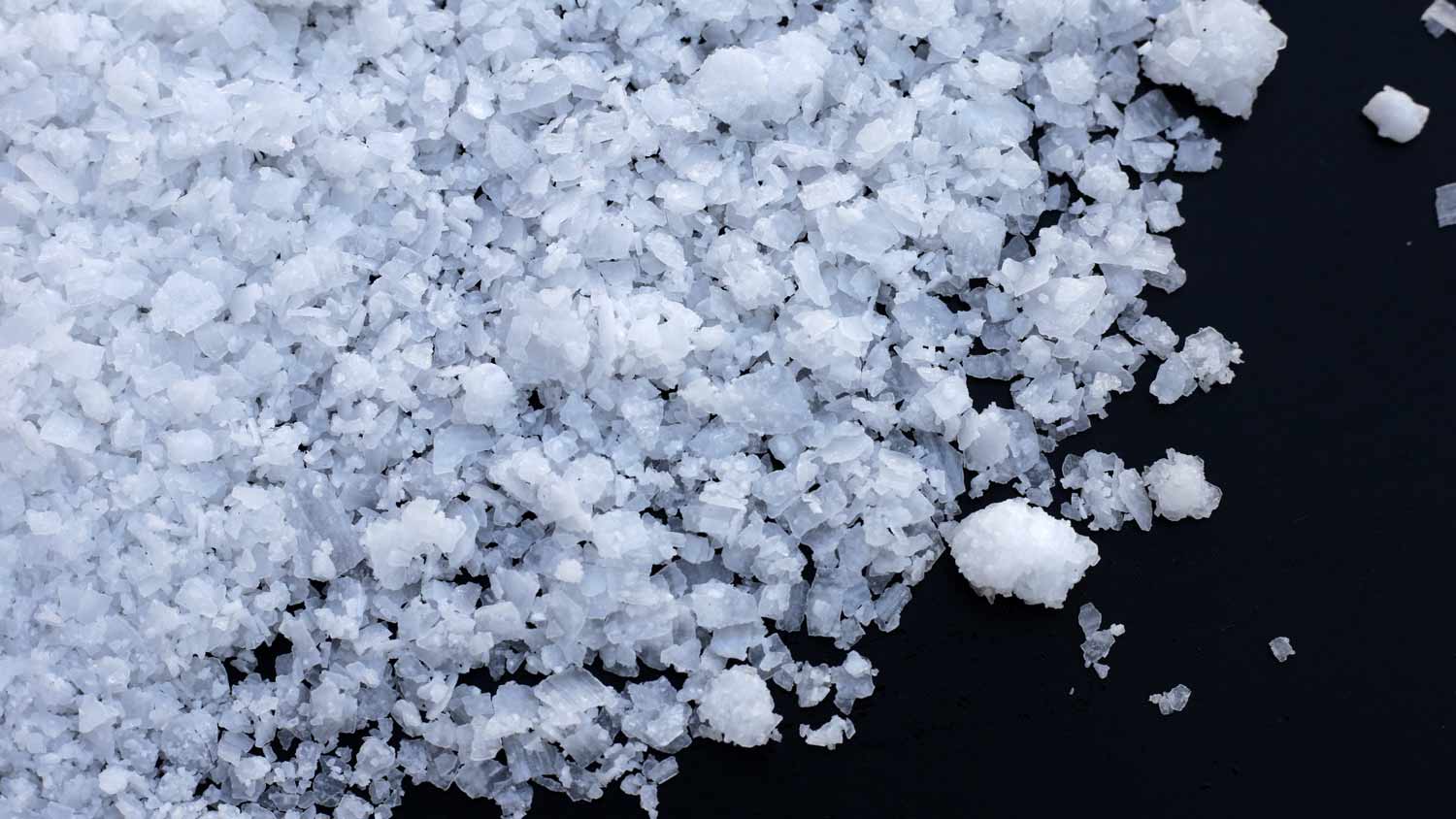
Both soda blasting and sandblasting use agitating media to clean or prepare surfaces for coating. This guide explains their applications and differences.
Learn the various ways to remove small and large areas of paint from concrete, including soda blasting, paint strippers, power washing, and more.
What does baking soda do for a pool? Learn how to balance pH levels using this kitchen staple as part of your pool maintenance routine.