
•
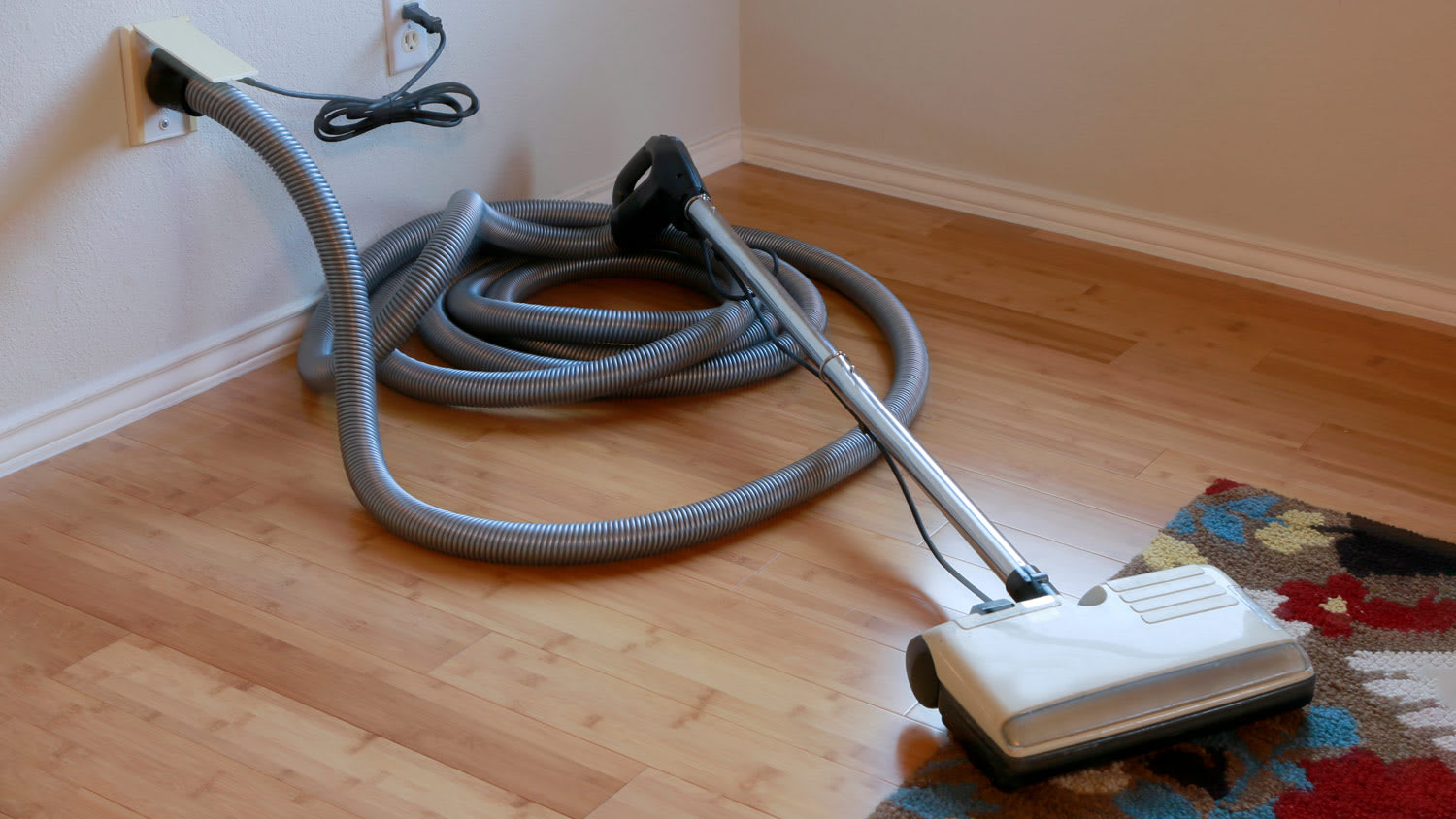
Discover central vacuum cost details to learn about price factors such as installation, size, labor, and ways to save on your central vacuum system.
Diagnose common vacuum issues to quickly resume cleaning

Power source issues like tripped circuit breakers or blown fuses can prevent your vacuum from turning on, so resetting the breaker restores power to the outlet.
A damaged or frayed power cord disrupts your vacuum's electrical connection, and loose cord attachments can cause sporadic power supply or complete failure.
Blocked airflow from debris buildup or full filters restricts suction power in your vacuum, so clearing pathways and replacing filters restores proper function.
Hiring a local house cleaning professional keeps your home spotless while you troubleshoot vacuum issues, providing reliable support when repairs take time.
A malfunctioning vacuum can quickly become a household nuisance, hindering the maintenance of a clean and tidy living space. From power issues to internal malfunctions, there are several reasons why a vacuum won't turn on. Read on to explore common factors contributing to this frustrating dilemma, with insights into troubleshooting and potential solutions. As you figure out what's going on, consider hiring a house cleaning professional to take care of your living space while you work out fixing your vacuum.
Power source problems can cause a vacuum's failure to turn on. While it may seem obvious, it doesn't hurt to check if the vacuum is plugged in correctly. If it is, the power outlet itself may be at fault. A tripped circuit breaker or a blown fuse for that specific outlet may be responsible for the issue. Resetting the circuit breaker or replacing the fuse could be required to restore power to the outlet and enable the vacuum to operate as expected.
When a power cord becomes damaged or frayed, the vacuum's connection to the power source may be disrupted. In cases where there is a visible break in the power cord, electricity flow may be compromised and proper functioning of the vacuum may be impeded. It's critical to ensure that the cord is firmly and properly connected to the vacuum, as a loose or improperly attached cord may result in a sporadic power supply or complete lack of electrical connection, preventing the vacuum from powering on. Examine the power cord for any damage, breaks, or loose connections.

Blocked airflow is one of the most common vacuum cleaner problems as proper airflow is required for function. The accumulation of debris within the vacuum can result in a clog that restricts the airflow. When the vacuum is clogged, it cannot effectively pull in air and debris, affecting its overall performance. Another factor contributing to restricted airflow is when the filters or bags are full. Over time, these components can become filled with dirt and particles, hindering the suction power of the vacuum. Address the blockage by clearing any debris from the vacuum's pathways and, if applicable, replacing or cleaning the filters or bags.
To guarantee proper functioning and protect users, certain vacuum models include safety features that prevent the machine from turning on if key components are not securely in place. For example, if the dustbin or filters are not installed correctly, the safety mechanism will prevent the vacuum from activating. This dual purpose ensures the vacuum operates at maximum efficiency and prevents damage that could occur without these components.
If the vacuum fails to turn on, it's worth checking that all essential parts are properly positioned according to the manufacturer's guidelines. Rectifying any misplacements will allow the safety features to clear, enabling the vacuum to perform as intended.
A vacuum that cannot operate due to a compromised on/off switch lacks the necessary electrical connection. When the switch fails to transmit the signal to activate the appliance, the vacuum becomes unresponsive. The switch may also become stuck in the off position, which could be due to mechanical problems or debris interference.
Check the switch's functionality and ensure it moves freely between positions. Repair or replacement may be necessary to restore proper function to the vacuum if the switch is found to be faulty or obstructed.
If you're wondering why my vacuum is not suctioning even after changing the bag or filter, it could be a motor issue. Vacuum malfunctions can arise from a range of motor-related issues that significantly impede performance. One common cause is motor burnout, indicating the motor's extensive use or overstraining. Suction power may also fail, affecting overall operation. Internal motor components, such as damaged bearings or worn-out brushes, can compromise functionality.
Broader internal electronic issues like faulty circuits or control boards can hinder motor performance and prevent power-up. When dealing with vacuum problems, an exhaustive examination of the motor and associated electronic components is critical to identify and tackle underlying issues.

When a vacuum overheats, it may temporarily stop functioning. However, if the vacuum has an overheating protection feature, it will shut down before any damage can occur. This safety mechanism activates when the internal temperature of the vacuum becomes too high, and the system shuts down temporarily to prevent any harm.
To avoid any potential damage, it is best to wait until the vacuum cools down before trying to turn it on again. This will allow the motor and other components to return to a safe operating temperature. Patience during this waiting period is crucial, as it can prevent damage to the vacuum's mechanisms.
A vacuum's ability to function can be compromised if its vital components wear out or break. Extended use and the passage of time can cause wear and tear on belts and similar components, ultimately leading to malfunctions. As belts lose their grip, they become unable to drive the brush roll or other moving parts, causing a decrease in the vacuum's ability to effectively clean dirt and debris.
Additionally, other essential parts within the vacuum's mechanism may break due to overuse, resulting in decreased performance. It is critical to conduct regular maintenance, including replacing worn-out or broken parts promptly, to ensure the vacuum's continued efficiency.
In some instances, a vacuum's inability to perform as intended may be due to a defect in manufacturing. These defects can occur during the production process and may impact different components of the vacuum, which ultimately affects its overall operation.
Consider the possibility of a manufacturing defect when dealing with persistent issues or malfunctions that don't appear to be related to user error or normal wear and tear. If the vacuum is still under warranty, reach out to the manufacturer's customer support to initiate the necessary steps to resolve the issue, whether it be through repairs, replacements, or other suitable actions.
I had FabClean 614 clean my apartment, and she did an outstanding job. She was so professional and efficient. My apartment looks absolutely spotless every surface, every corner, all cleaned to perfection. Definitely highly recommend FabClean 614 if you're looking for top-notch cleaning...
 Fab Clean 614
Best cleaning I've had at my property
Fantastic group, very communicative, and they really did a great job cleaning my condo. Will be hiring them for recurring cleaning!
 eMaids of Northern Columbus
Ace Fireplace Services' chimney sweep service is truly exceptional. They used advanced technology to ensure a thorough cleaning process, and my chimney has never looked better. I highly recommend their services.
 Ace Fireplace Services
100% satisfied with the work done by Supreme Brick & Chimney. Josh responded to my Angi request very quickly and squeezed our house into his schedule only a couple business days out. The chimney cleaning process was extremely clean with ZERO dirt going anywhere besides in Josh's vacuum. Very...
 Supreme brick & chimney
On time, clean and finished fast. Windows seem sturdy and the finish is good. Caulking was done with no smudges. Would recommend.
 Window Depot USA of Central Ohio
Great job...edging and pre clean up went well with a great job with seal coat. Friendly, efficient and professional.
 All Star Paving and Sealing
Mary Cleaning Service is fantastic! The entire team is professional and pay a great deal of attention to detail. They do such a thorough job of cleaning my house. I would definitely recommend!
It was just fine. They did a good job. They cleaned what needed to be cleaned.
 Dezired Cleaners LLC
They cleaned my very dirty basement. They were prompts, quick, thorough and their price was fair.
 JDE House Cleaning LLC
From average costs to expert advice, get all the answers you need to get your job done.
Discover central vacuum cost details to learn about price factors such as installation, size, labor, and ways to save on your central vacuum system.
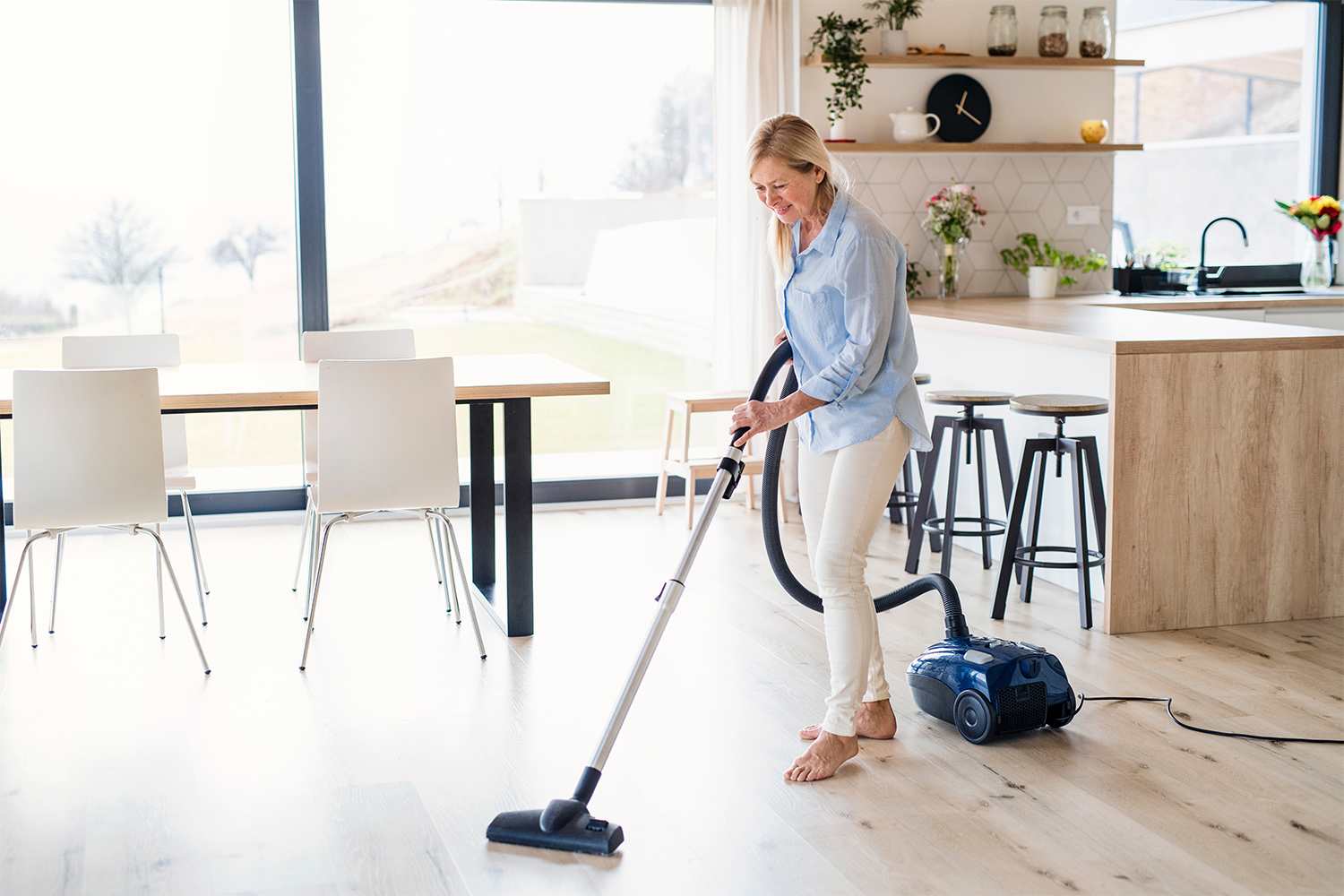
There are several reasons why your vacuum might not be working properly, and this guide will help you solve the problem. We break down four of the most common vacuum cleaner problems, from blockages, to low suction, to busted vacuum belts.

Once your carpet is clean, you might be wondering: Should I vacuum after steam cleaning carpet? The answer is yes—this article details what to know.

Installing drywall can be a messy renovation project. Learn how to get rid of drywall dust like a pro with these handy tips.
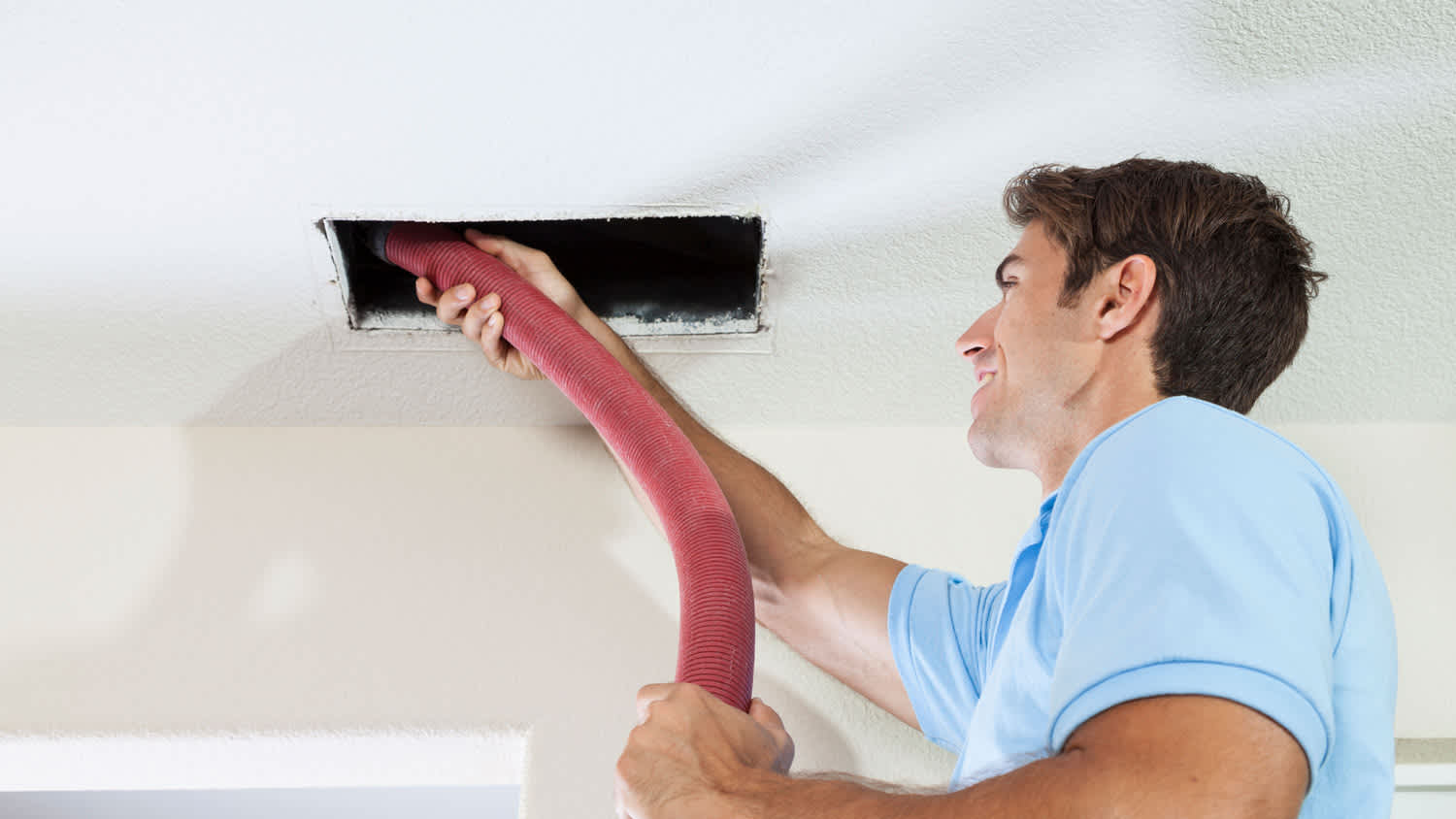
Cleaning air ducts maintains your home’s air quality and keeps your HVAC system running smoothly. Hire a pro with the right tools to clean your air ducts well.
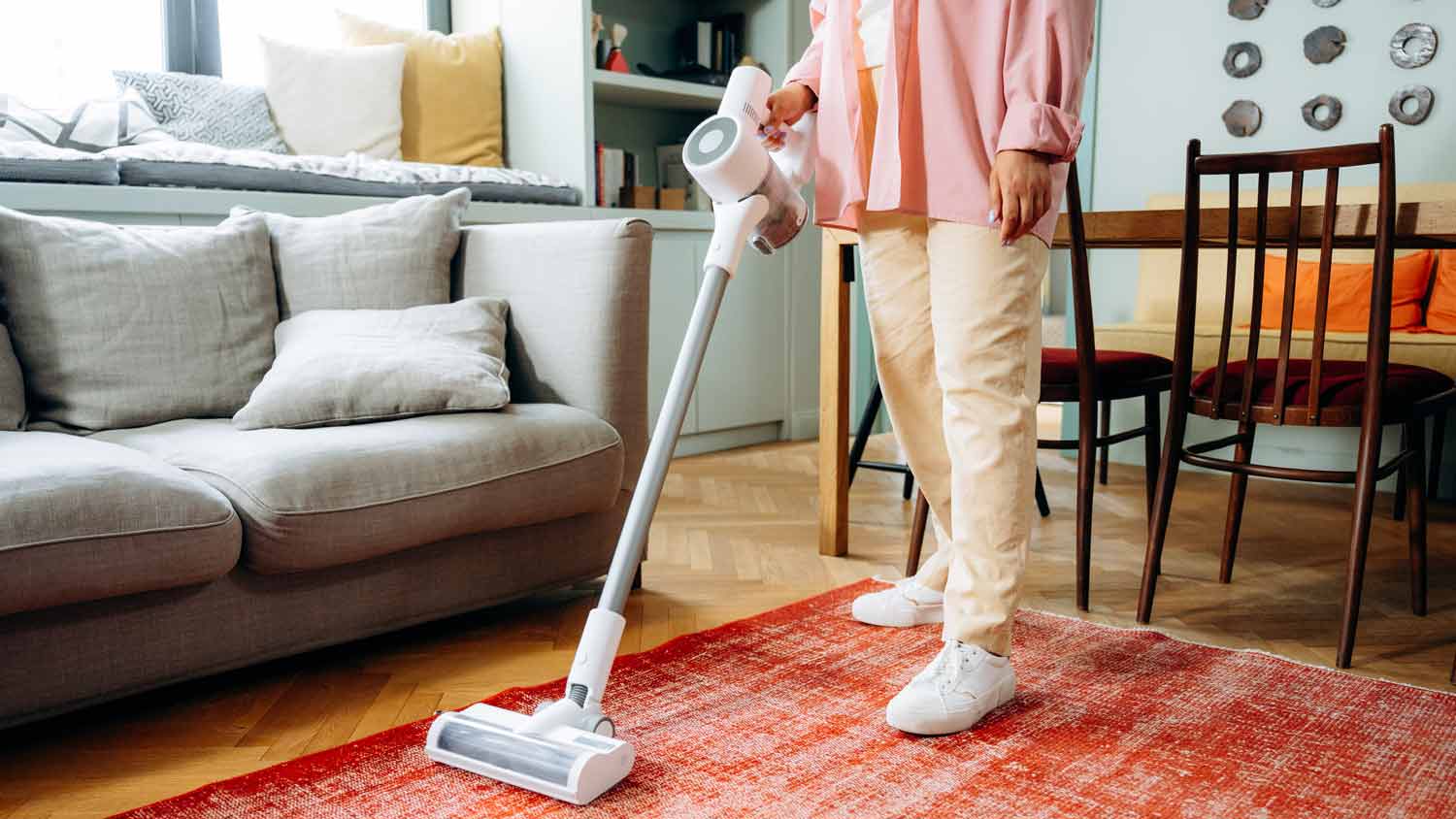
Your vacuum may not suction for a number of reasons, including a full bag or worn out belt. Learn how to troubleshoot why your vacuum is not suctioning.