
•
How much does a safe cost? Discover average prices, installation fees, and key cost factors to help you choose the right safe for your home.
Peace of mind for every situation
 - Derek Rose.png?impolicy=thumbnail)
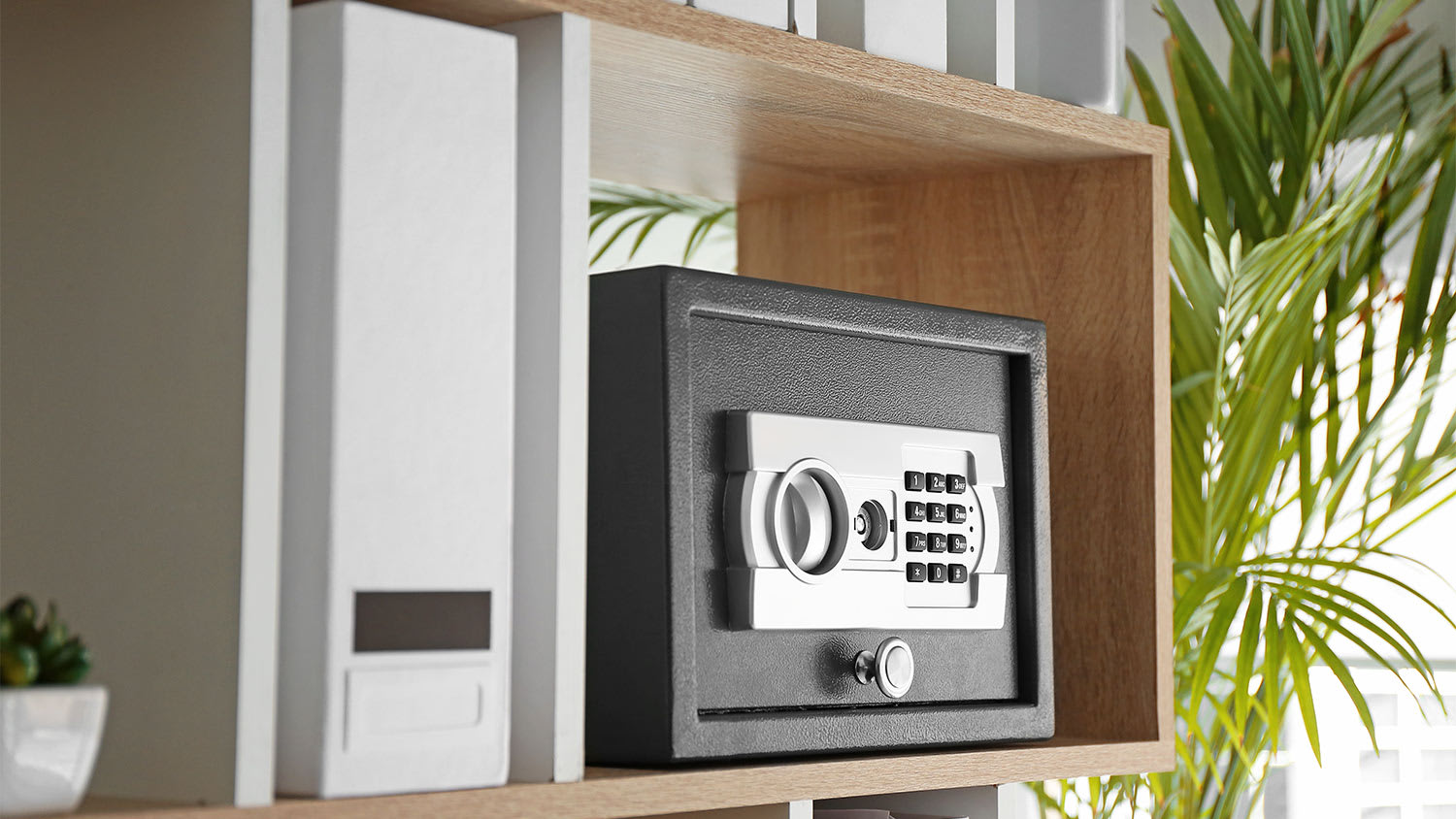
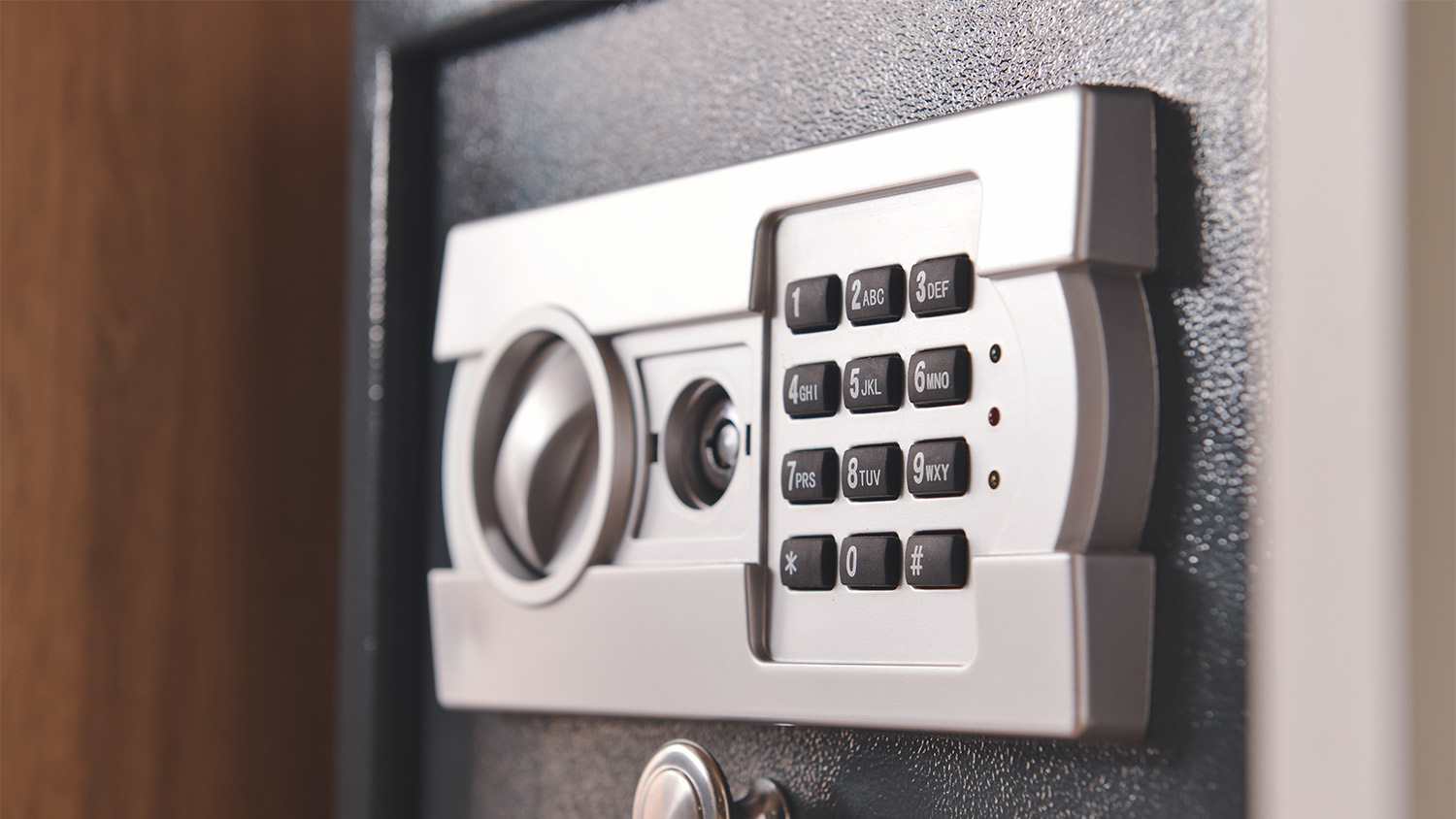
Types of safes include fire-resistant options for documents, burglar-safe models for valuables, and gun safes that protect firearms while keeping them secure from children.
You can choose a safe based on what you want to store, whether that's jewelry, cash, or important paperwork that needs extra protection from theft.
All safe selections depend on size, price, and security features like UL certification, which confirms the safe meets specific fire or burglary resistance standards for your needs.
Hiring a local security safe professional provides expert guidance on selecting the right type and completing proper installation, especially for floor or wall-mounted models.
Certain items in your home require increased protection, whether it’s jewelry, firearms, or important documents. The most effective way to keep these valuables secure is by placing them in a safe—but with an array of safes available in different sizes, at varying prices, and with assorted features, it can be tricky to narrow down your options. We’re here to simplify the process and help you find the right one by detailing the 10 most common types of safes below.
Many categories overlap when it comes to safes, and fire-resistant safes are no different. After all, most safes are fire-resistant to some degree. The key is for how long and at what temperature. Some safes are certified to protect items for 30 minutes at a certain temperature, others for up to two hours. Manufacturers usually list these details in the product description. Naturally, longer resistance against hotter temperatures is preferred.
Fire-resistant safes are generally better for storing essential documents than money or jewelry because they are not always burglar-proof. If you plan to purchase a fireproof safe for documents, it’s worth getting one that’s waterproof, too.

The primary purpose of a burglary safe is to guard against theft more than man-made or natural disasters. They’re great for stashing valuables like gold, jewelry, or cash. These safes tend to be heavy, so would-be burglars can’t carry them. Ideally, they have thick deadbolts, keypad lockout penalties, and doors too solid to drill. Another handy feature of a burglary safe is a relocker, a mechanism that locks the safe upon manipulation from drills, torches, crowbars, or other means of theft.
Gun safes are designed to store various kinds of firearms, including handguns and long guns. They prevent theft and are a valuable safety measure, keeping firearms away from children and other household members. Safes for long guns are usually rectangular and range from a couple hundred to a few thousand dollars. Safes for handguns are often smaller, portable, and less expensive. Gun safes are generally more secure than gun lockers and cabinets, as the former better withstand fires, flooding, and attempted burglary.

Jewelry safes are the best way to protect expensive accessories and family heirlooms, like rings, earrings, and necklaces. These safes, in particular, come in a range of sizes. Some are small enough to keep on your vanity, while others are extremely large and heavy. Two standard features distinguish jewelry safes from other styles. First, they are typically lined with velvet to avoid scratching jewelry. Second, they have multiple drawers and compartments to keep jewelry organized. If you have a lot of valuables, it could be worth the cost to install a home security system, too.
Drop safes, also called depository safes, can be identified by an external slot or drawer that lets users insert money or documents without opening the safe itself. In the digital era, they are more practical for small businesses than home use, but they still bear mentioning. However, if you’re specifically looking to store cash regularly, this is a practical and comparatively affordable option.
Along with the overall quality of a safe, the location of a safe is important, too. Floor safes are especially discrete because they are installed flush into the floor and can be concealed with furniture or a rug. Even if an intruder finds a floor safe, they are nearly impossible to remove because they are embedded into concrete. If you need help setting up a floor safe, check out safe installation pros in your area.

Like floor safes, wall safes emphasize covertness by being installed flush into a wall. They are mounted on wall studs and are extremely difficult to remove, let alone break into. Homeowners usually place artwork over wall safes to hide them from view. All manner of items can be stored inside a wall safe, from passports and jewelry to watches and firearms. Most wall safes utilize combination or fingerprint locks instead of keys, partially as a safety measure and partly to avoid users misplacing the key. If a key is lost, hiring a locksmith costs around $50 to $200 on average.
Many travelers use portable safes to keep track of essential items on the go. This can include keys, passports, cell phones, and other electronics. Portable safes are small and affordable but aren’t as secure as home safes on average. Aside from burglars grabbing a portable safe and running off, they often have thinner steel and shorter deadbolts.
Hidden safes can lean toward being more of a novelty than something you want to rely on to hide valuables. They resemble typical household items—like a book, plant, or wall outlet—and are meant to be hidden in plain sight. They can undoubtedly conceal and protect small things but are, by and large, easier to break into if discovered.

Commercial safes are larger, heavier, more expensive, and more advanced than a typical home safe. That said, many of the categories listed above can be used by business owners as long as they adequately protect against fire, water damage, and theft. Some commercial safes (also referred to as business safes) have internal and external cameras, fire and burglary alarms, and real-time video surveillance.
To pick the best safe for your home, start by figuring out what style you need. There are more styles than the 10 listed above, but they provide a thorough overview. Figuring this out is easier if the items you plan to store fit a specific style—e.g., jewelry is best stored in a jewelry safe. From there, you can narrow the options by deciding on size, price, and security features. Knowing what qualities you value in a safe, like high fire-resistance ratings, makes the process easier. Similar qualities can also help you determine how to choose a home security system.
If you’re good people wanting to do business with good people, hire Matt. He is a consummate professional and utterly competent. He installed a water heater in my home at a price that beat competitors by hundreds of dollars with a promise to support the unit for its life (even after its 6 yr...
 Greene's Plumbing Services
I recently moved to another state and chose United Trust Van Lines after comparing several companies. Their team was punctual, professional, and extremely careful with my belongings. I was especially impressed with how they handled my home office setup and fragile items. Everything arrived on...
 United Trust Van Lines, LLC
1st Choice Renew is simply the best! We hired them for a complete home renovation, and they transformed our space into something truly amazing. The team attention to detail and commitment to quality were evident throughout the project. They were easy to work with, very responsive, and always...
 Save A Dime
I had Ace Fireplace Services install custom chimney caps for my home, and the results are stunning. They fit like a glove and have added a touch of sophistication to my chimney. I can't recommend their services enough.
 Ace Fireplace Services
Exquisite workmanship from Custom Paint Jobs LLC. My home has never looked better.
 Custom Paint Jobs, LLC
I was concerned about my possessions safety throughout the move but Bridge View Van Lines took all necessary security measures to make sure everything arrived in mint shape I am really appreciative of their effort and commitment They made my long distance move seem simple
 Bridgeview Van Lines
We needed windows in our home, and we couldnt believe we got our entire home done for under $14,000. We have a lot of windows, and not only was it affordable, but it got done in a timely manner! Thanks guys, I truly appreciate you all!
 Window Depot USA of Central Ohio
Working with Mike on our first home purchase was an absolute pleasure. Mike put us at ease and made the process of buying a home fun. Mike is knowledgeable, honest, professional, and punctual. He worked with our busy schedule and always made time for us. When a home came on the market that...
 Michael Marshall - Buyer's Resource Realty Svcs.
Before choosing a real estate agent, we conducted a lot of research to see who would be the best choice. Homes that Click stood out as the best Columbus has to offer: their rankings are excellent, their social media presence was strong, and I could tell they put a lot of work into their...
 Homes That Click Realtors
Fantastic! Top Line was early for the appointment and very knowledgeable and took time to explain everything they had found during the home inspection. The report included clearly defined issues and what they recommended to remedy the same. The report also included many pictures to help...
 Top Line Home Inspections, LLC
From average costs to expert advice, get all the answers you need to get your job done.
How much does a safe cost? Discover average prices, installation fees, and key cost factors to help you choose the right safe for your home.
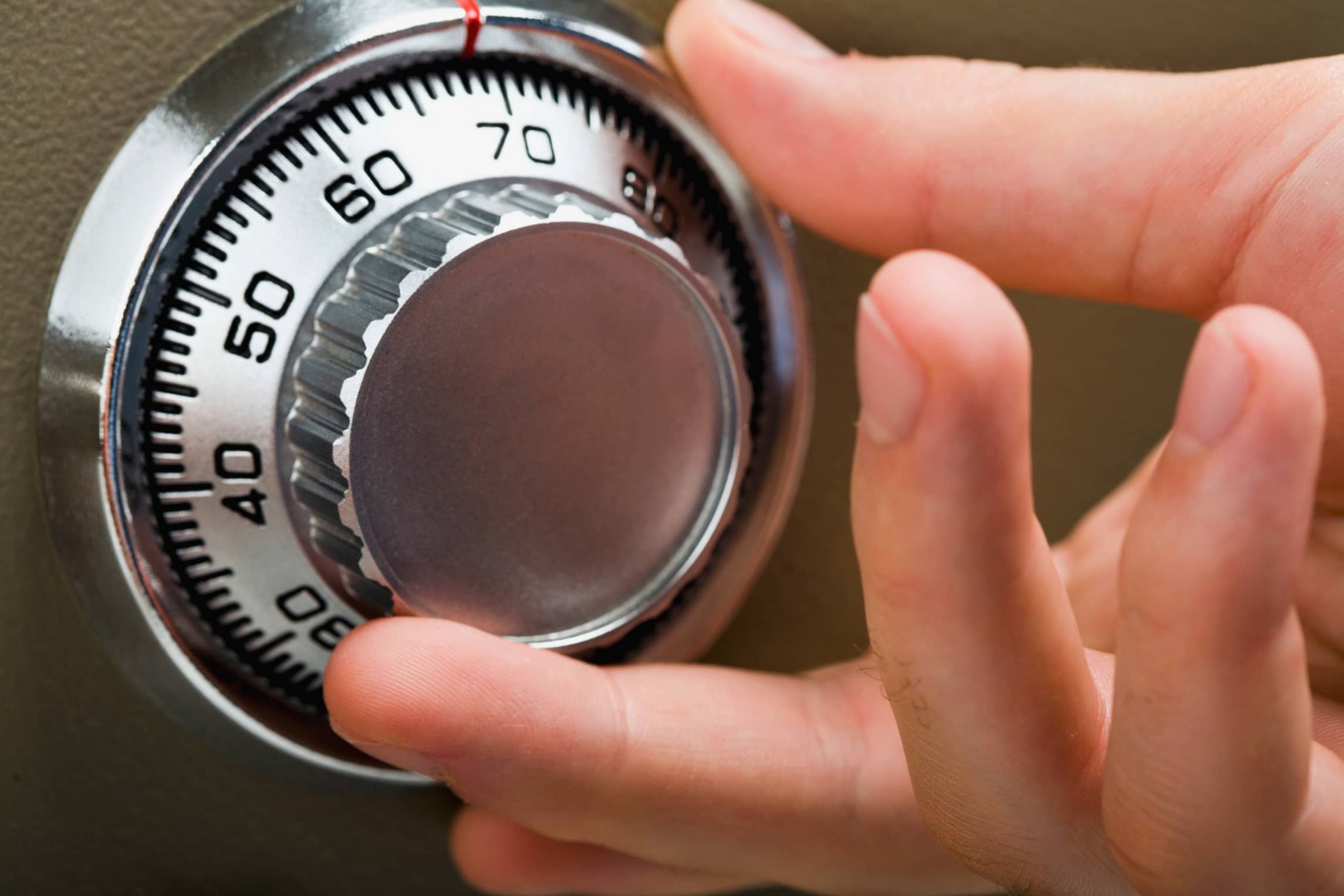
Discover wall safe installation cost details. Learn about average prices, key cost factors, and tips to save on your wall safe project.
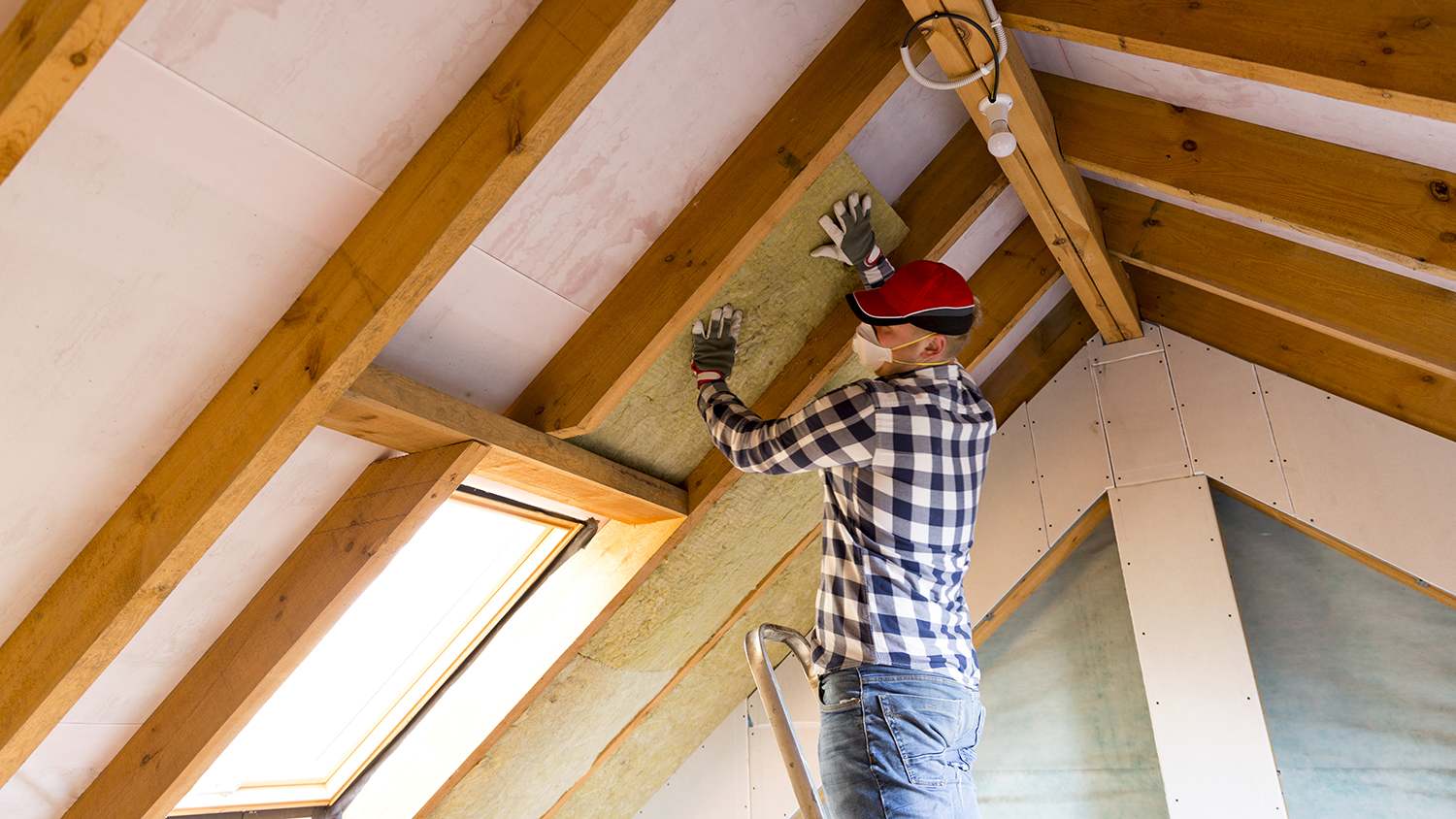
Discover roof insulation costs, including average prices, key cost factors, and expert tips to help you budget and save on your next project.
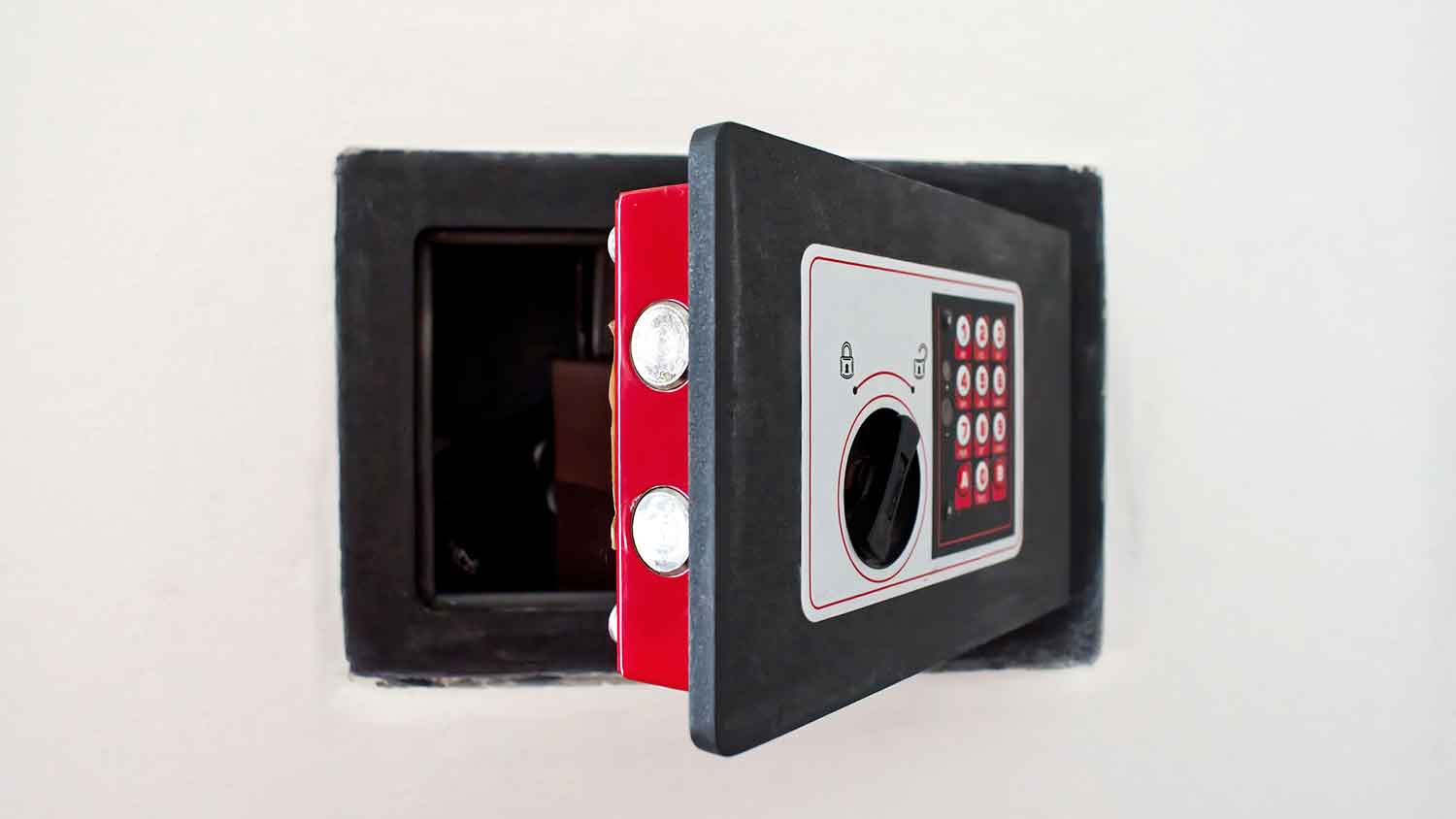
Installing a wall safe won’t break the bank, and can help in the event of a break-in.
Learn how to hire a qualified safe installation professional to protect your valuables. Discover essential questions, credentials, and tips for finding the right pro.
Planning a security safe installation? Learn about logistics, average costs to expect, and how to hire the right local pro to protect your valuables.