

•
Discover how much a saltwater hot tub costs on average, including installation and ongoing expenses, plus tips to save money and compare DIY vs. pro options.
Turn up the bubbles

Hiring a local hot tub installation professional ensures proper placement, handles electrical wiring, and helps you choose the right model for your space and budget.
Standard spas are the most popular type, with multiple seats, customizable features, and an affordable price.
Prices range from about $1,000 for inflatable models to over $35,000 for fully customized luxury builds.
In-ground and spillover designs need excavation and a pro, while inflatable and rotationally molded tubs install quickly.
A hot tub is a hot tub, until you shop for one. The types of hot tubs differ in real ways that shape your budget, your backyard, and your upkeep. This guide walks you through seven common types of hot tubs and a buyer framework to match one to your space, power supply, and plans.
Before you shop by style, work through six decision points. They narrow the field fast and keep you from paying for features you will not use.
Space and placement: Measure your deck, patio, or yard, and confirm the surface can hold a filled tub.
Seating and capacity: Count how many people will soak at once, then add a seat for guests.
Shell material: Pick acrylic for durability, polyethylene for a lighter budget tub, or wood for an off-grid look.
Power supply: Choose between a 110V plug-in model and a 220V hardwired model that heats faster.
Budget: Set a number that covers the tub, delivery, wiring, and the pad or excavation under it.
Maintenance: Factor in water care, filter changes, and energy use over the life of the tub.
Use this table to compare each type by price band, power need, install effort, and best-fit.
| Type | Price Band | Power | Install Effort | Best For |
|---|---|---|---|---|
| Inflatable | Budget | 110V outlet | DIY, no site work | Renters and first-time buyers |
| Rotationally molded | Budget | 110V outlet | Simple, no excavation | Buyers who want a fixed tub for less |
| Standard spa | Mid-range | 110V or 220V | Level foundation | Everyday soakers who want seats and jets |
| Wooden | Mid-range | Wood-burning, no power needed | Moderate assembly | Off-grid and rustic settings |
| Spillover spa | High-end | 220V, pro wiring | Excavation, existing pool | Pool owners who want both |
| Swim-spa combo | High-end | 220V, pro wiring | Large footprint | Homeowners who want to swim and soak |
| In-ground | High-end | 220V, pro wiring | Excavation, pro install | A permanent, pool-matched install |

An inflatable hot tub plugs into a standard outlet and sets up in an afternoon. The jets run softer than a built-in spa, and the water holds a lower top temperature. If you are not ready for a permanent tub, read up on the benefits of a hot tub first.
Pros: Plugs into a standard 110V outlet, stays portable, and packs away for storage.
Cons: Less durable than a hard shell, with few built-in extras and a lower top temperature.
Best for: Renters and first-time buyers who want a low-commitment soak.

An in-ground hot tub sits flush with your patio or deck for a seamless, pool-matched look. Installation means excavation, plumbing, and landscaping, so it costs the most and takes the longest. Check the in-ground hot tub cost before you plan the project.
Pros: Delivers a seamless built-in design, a permanent structure, and a direct water-line connection.
Cons: Needs a permit, carries a high price, and takes the longest to install.
Best for: Homeowners planning a permanent, pool-matched install.

A wooden hot tub uses a barrel-style shell and a wood-burning stove, so you can run it without electricity. That makes it a fit for off-grid and Scandinavian-style backyards. You can even use it as a cold plunge, much like a plunge pool.
Pros: Runs without electricity, uses a rustic wood shell, and doubles as a cold plunge.
Cons: Heats water slowly, carries a high price, and relies on manual temperature control.
Best for: Cozy, off-grid nights under the stars.

A standard spa uses an acrylic or fiberglass shell with multiple seats, jets, cupholders, and lighting. Small models plug into a 110V outlet, and larger models need a 220V connection installed by an electrician. To weigh it against similar options, see hot tub vs. Jacuzzi vs. spa.
Pros: Offers a common, customizable style with multiple seats and a wide price range.
Cons: Larger models need 220V, require a level foundation, and sit higher than a built-in.
Best for: Everyday soakers who want seats, jets, and extras.

A rotationally molded hot tub uses a lightweight, one-piece polyethylene shell. It plugs into a 110V outlet and moves into place without heavy equipment, which keeps the price and setup effort low.
Pros: Stays budget-friendly, uses a 110V outlet, and moves easily thanks to a one-piece shell.
Cons: Less durable than acrylic, plainer in look, and lower in energy efficiency.
Best for: Budget-minded buyers who want a fixed tub.

A spillover spa sits beside a pool and spills warm water into it, which adds a calming sound and a built-in water feature. It shares equipment with the pool, so you need an existing pool and excavation. This is a hardwired setup, so plan the details with a hot tub installer near you.
Pros: Adds a calming water sound, pairs with your pool, and creates a water feature.
Cons: Carries a higher price, requires a pool, and requires excavation.
Best for: Pool owners who want a hot tub and pool in one.

A swim-spa combo is a long, rectangular unit with dual temperature controls and a built-in current. You swim in place against the current on one end and soak on the other. It needs more space than a standard spa and calls for excavation.
Pros: Lets you swim and soak in one unit, with dual temperature controls for year-round use.
Cons: Carries a higher price, needs more space, and requires excavation.
Best for: Homeowners who want to swim and soak in one unit.
Price tracks closely with material, size, and installation. Our hot tub cost data puts an inflatable model at about $1,000 or less and an entry-level standard spa at $2,500 to $5,000.
Wooden and spillover spas run about $6,000 to $8,000. A high-end built-in reaches $8,000 to $35,000 or more once you add excavation and wiring.
Power is one of the biggest dividing lines among the types of hot tubs. A 110V, or plug-and-play, tub uses a standard household outlet and heats slowly. A 220V, or hardwired, tub runs on a dedicated circuit, heats faster, and runs the jets and heater at once.
Inflatable and rotationally molded tubs use 110V, while larger standard spas and every built-in unit need 220V wiring on a dedicated circuit. A licensed electrician keeps the wiring to code and protects your warranty.
This service was great. My air conditioner went out during the heat spell that we had. My husband has health issues and they came out that night and at 9:30pm the air conditioner was fixed and running. We are sooo very thankful, this is the company I will be using from now on and would...
 Mr. Mechanical Ohio
I had FabClean 614 clean my apartment, and she did an outstanding job. She was so professional and efficient. My apartment looks absolutely spotless every surface, every corner, all cleaned to perfection. Definitely highly recommend FabClean 614 if you're looking for top-notch cleaning...
 Fab Clean 614
Binion and Alex did such a good job. Fast, fair, efficient. Would def use them again. Best experience Iâ ve had in moving - someone should give them a raise. Will undoubtedly recommend this service.
 All My Sons Moving & Storage
Great customer service. The owner Ilia was wonderful to work with. Would definitely recommend this company.
 Window Depot USA of Central Ohio
I definitely recommend Ramonaâ s cleaning service! I have booked services with her many times and she arrives on time, ready to work and provides a great service.
 Your Cleaning Solutions LLC
Excellent experience! Left my place looking great. Friendly customer service too. Would recommend!
The service was excellent! They gave me a quote, and had it done 4 days later. My driveway looks amazing, very professional! I would definitely recommend their service to anyone. I have had neighbors stop by and ask for their information as well.
 All Star Paving and Sealing
Webb â s was priced well, flexible on scheduling, great with communication, and detailed in their work. Iâ ll definitely use their services again.
 Webbs Pressure and Paint LLC
They’ve been great to work with. All of my clients that have used them have nothing but good things to say about the experience. Quick responses and fast service. They’re a trustworthy team!
 Total Home Roofing
Mary Cleaning Service is fantastic! The entire team is professional and pay a great deal of attention to detail. They do such a thorough job of cleaning my house. I would definitely recommend!
From average costs to expert advice, get all the answers you need to get your job done.
Discover how much a saltwater hot tub costs on average, including installation and ongoing expenses, plus tips to save money and compare DIY vs. pro options.

Discover the average hot tub maintenance cost, what impacts pricing, and how to save money. Get expert tips to keep your hot tub running smoothly all year.
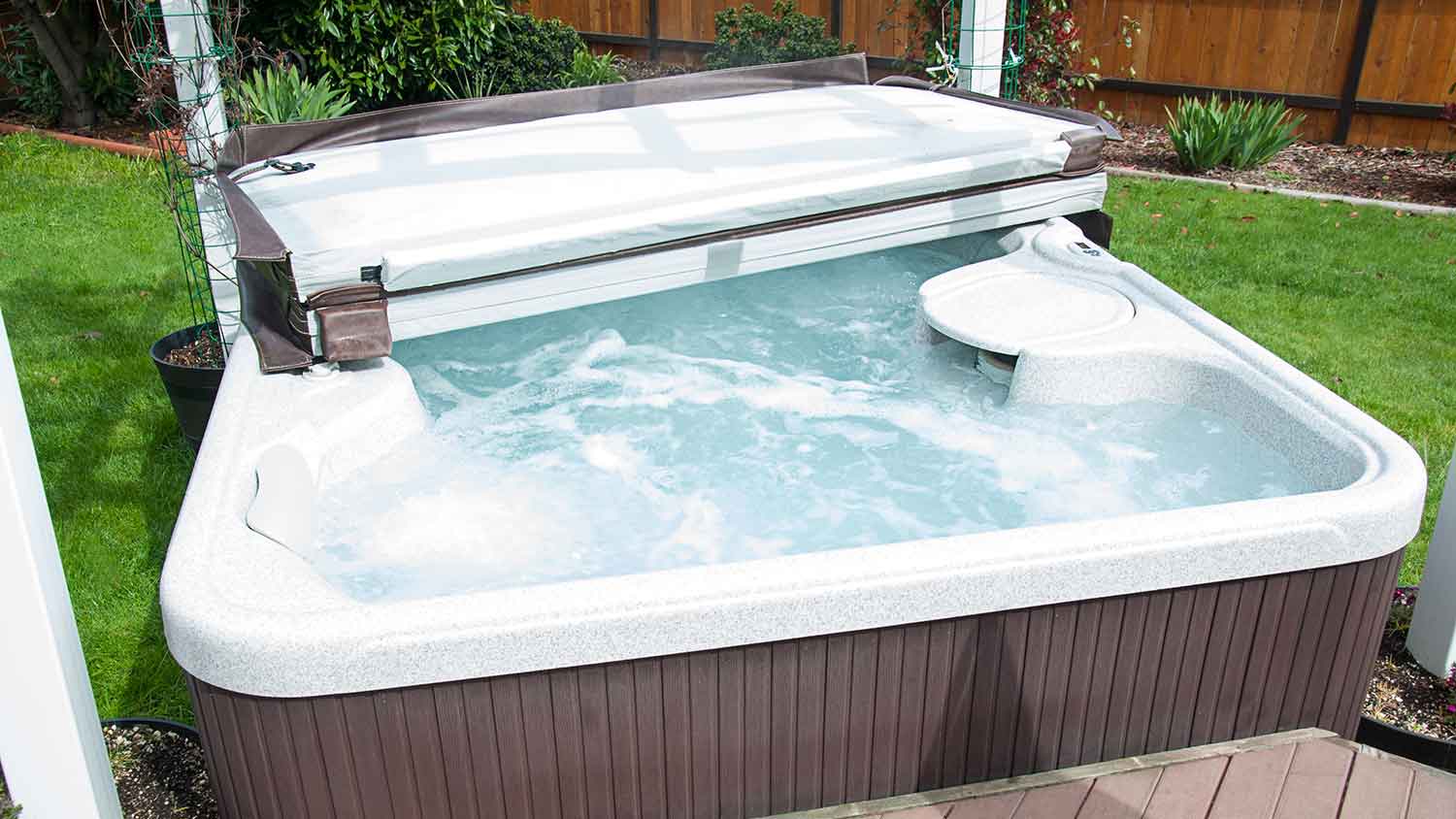
Wondering about hot tub cover costs? Learn what impacts pricing, compare materials, and discover ways to save on your next hot tub cover purchase.
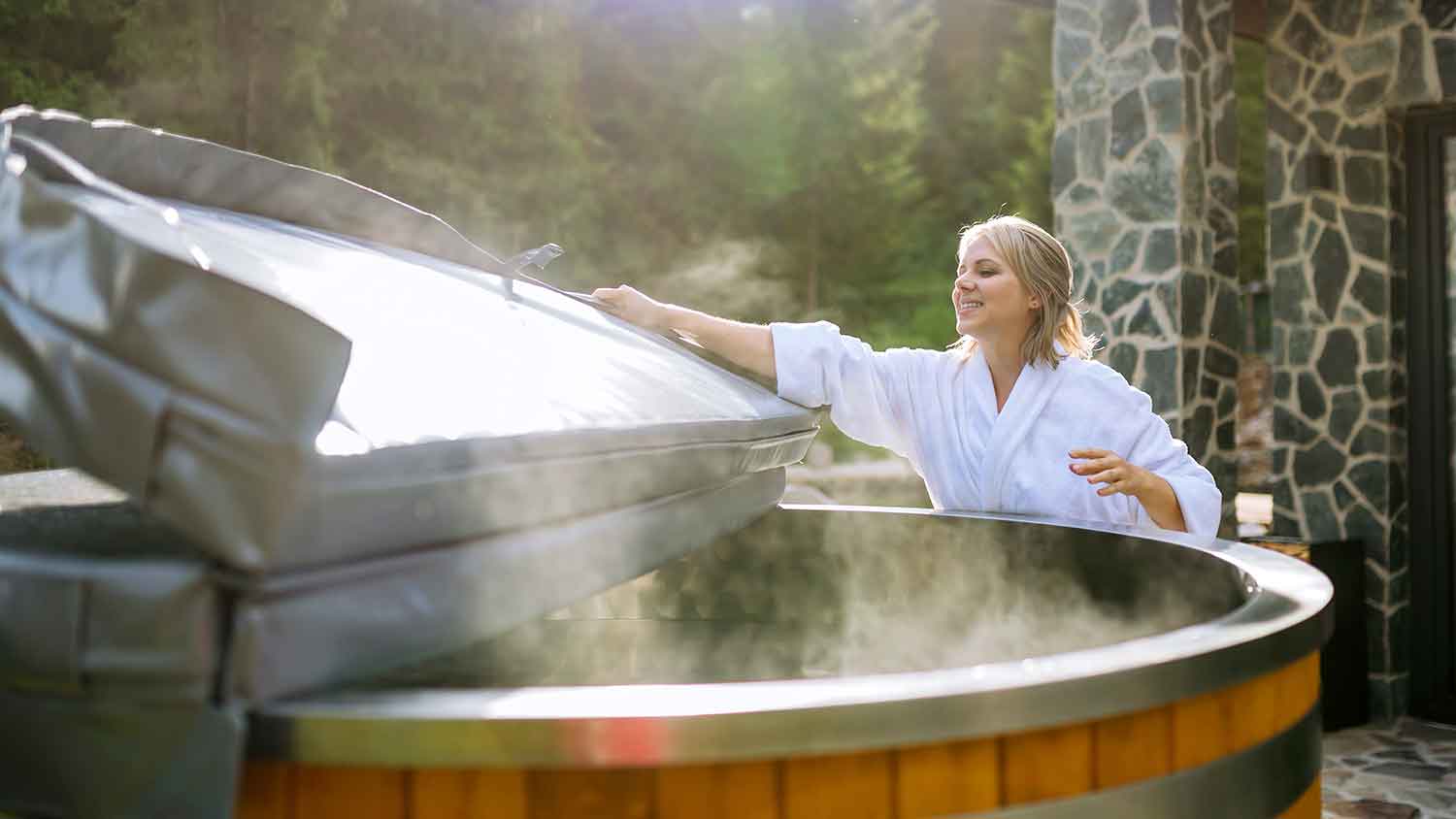
The hot tub cover you choose is just as important as the hot tub itself. Learn about different types of hot tub covers to protect your investment.
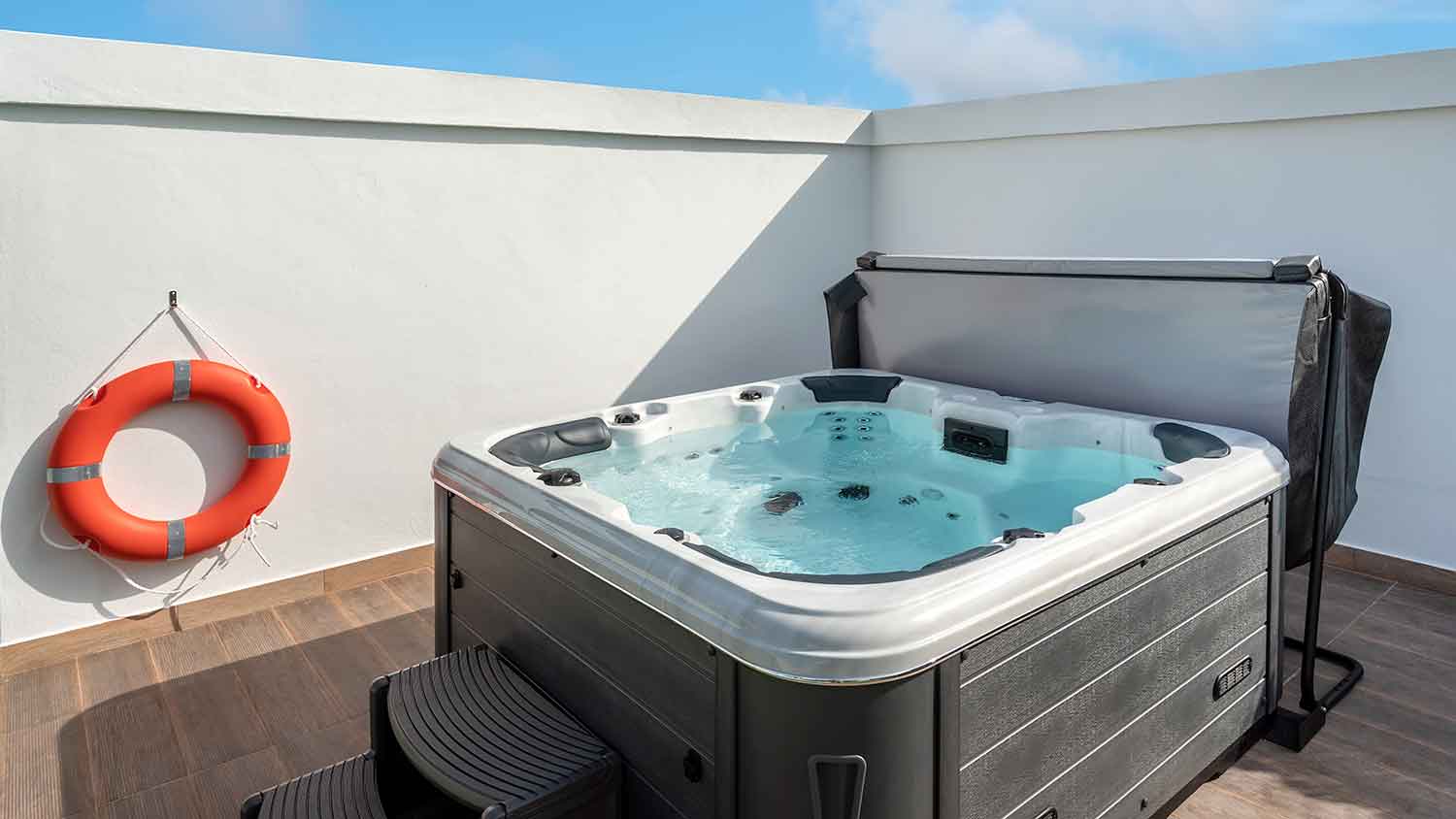
There are many types of hot tub cover lifters. Investing in one is good for both your hot tub and your back, and will increase the hours of enjoyment.
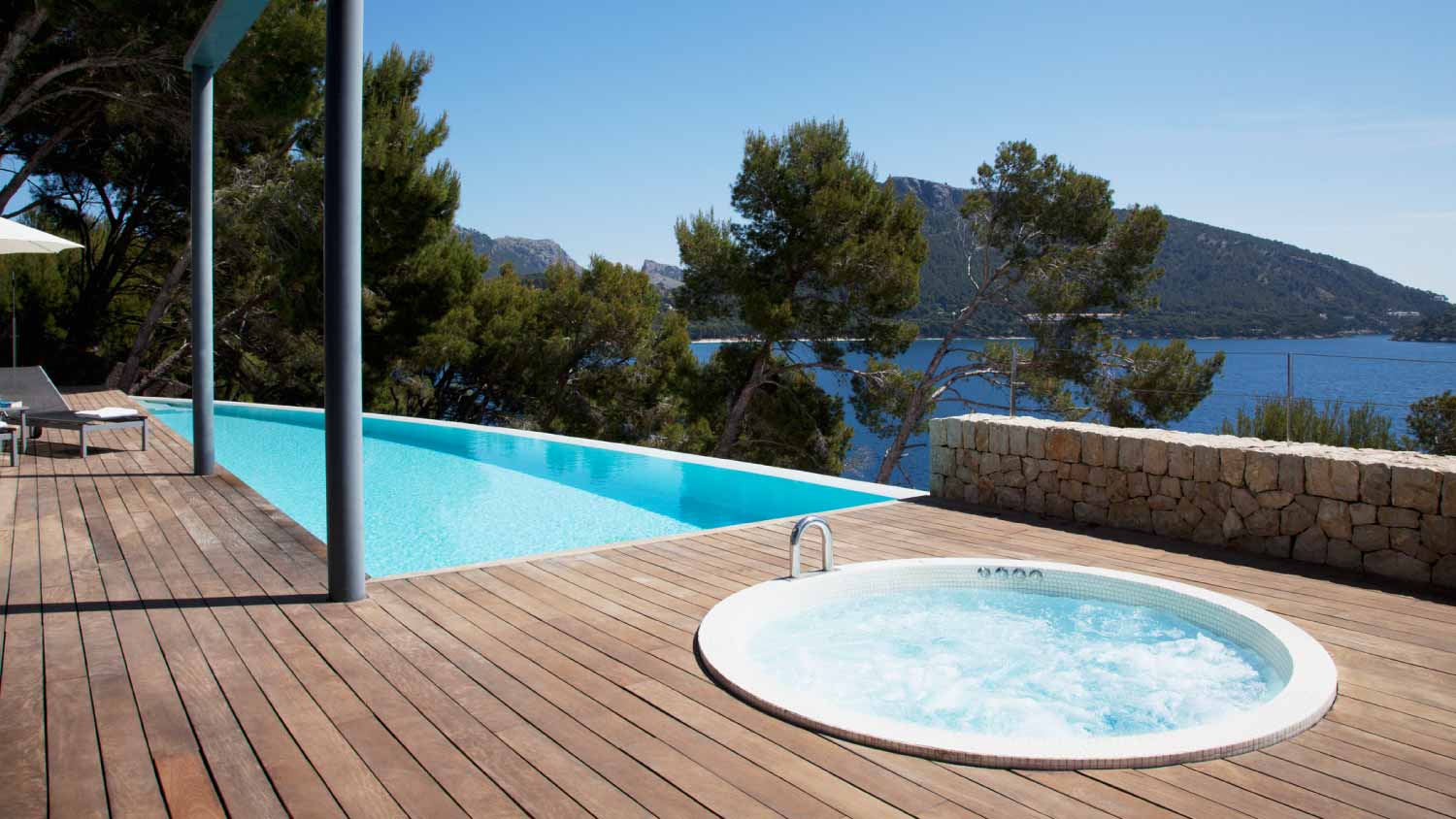
Adding a hot tub to an existing pool can elevate your home and quality of life. Here are some factors to consider before you dive in.