
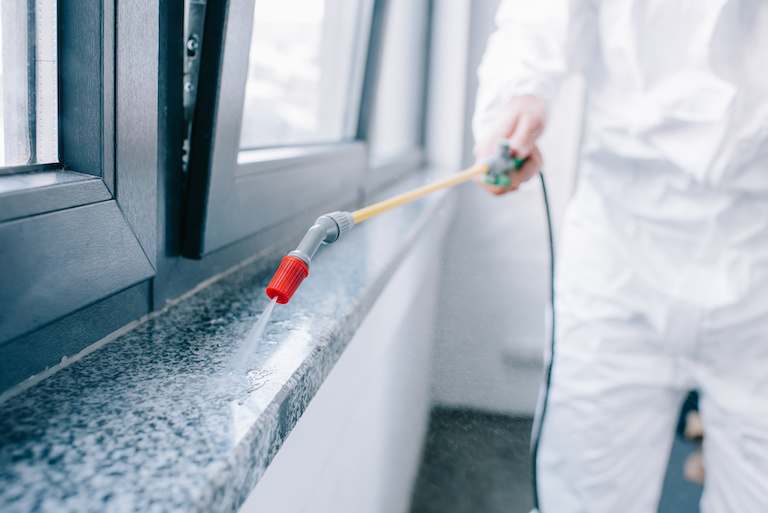
Whether you have bugs, bats, or rodents invading your home, you’ll want to contact an exterminator quickly. Find out how much pest control costs.
Restore your house to its germ-free glory with these simple steps


Disinfecting your house after illness requires understanding the difference between cleaners, sanitizers, and disinfectants to effectively remove germs from surfaces throughout your home.
Daily disinfection of high-touch surfaces like doorknobs, cell phones, countertops, and remote controls helps prevent the spread of illness while someone in your home recovers.
Deep cleaning after recovery includes washing all linens at high temperatures, disinfecting bathrooms and kitchens thoroughly, and replacing toothbrushes to eliminate lingering germs from your space.
Hiring a local housekeeping professional provides thorough disinfection of every surface and ensures proper cleaning techniques protect your home from reinfection after illness passes.
After the sweet relief of a loved one’s or your own recovery from an illness comes the sinking thought: How do I get the germs out of this house? The flu virus can live on some surfaces for 24 hours, and other contagions can last even longer. The good news is that you can set your traumatic flashbacks to The Velveteen Rabbit aside and take these simple steps to clear your house of potentially sickness-causing germs both before and after your family is on the road to recovery.
When it comes to killing germs, not all cleaning products are created equal. There are critical differences between cleaners (which may remove some germs from a surface but do not kill them), sanitizers (which kill some portion of germs and in many circumstances bring the number down to a safe level), and disinfectants (which kill up to 100 percent of germs on contact).
Viruses and bacteria can both fall victim to bleach. For areas where you might be handling food, the CDC recommends adding one tablespoon of bleach to a gallon of water for a solution that can neutralize even the toughest germs. "A bleach-based solution will ensure 100% of germs will be killed,” says Asya Biddle, Angi Expert Review Board member and manager of The Dust Busters janitorial company in Williamsport, PA. “If you’re worried a residue may be left behind in areas where food is processed or eaten, spray the area with a secondary neutral cleaner afterwards. Many plant-based cleaners are utilized as a secondary cleaner after disinfecting an area with a bleach-based solution."
Alternatively, you can mix up your own non-toxic disinfectant spray using hydrogen peroxide and vinegar.
For hard surfaces that won’t be touching anything you put in your mouth, like remote controls and doorknobs, you can go up to one-third of a cup of bleach per gallon of water. As always, avoid mixing bleach with any other cleaner, especially those containing ammonia.
In addition, any alcohol-based solution containing more than 70 percent alcohol will serve as a full-spectrum disinfectant.
Wear gloves as you clean, and wash your hands and any other exposed skin frequently.

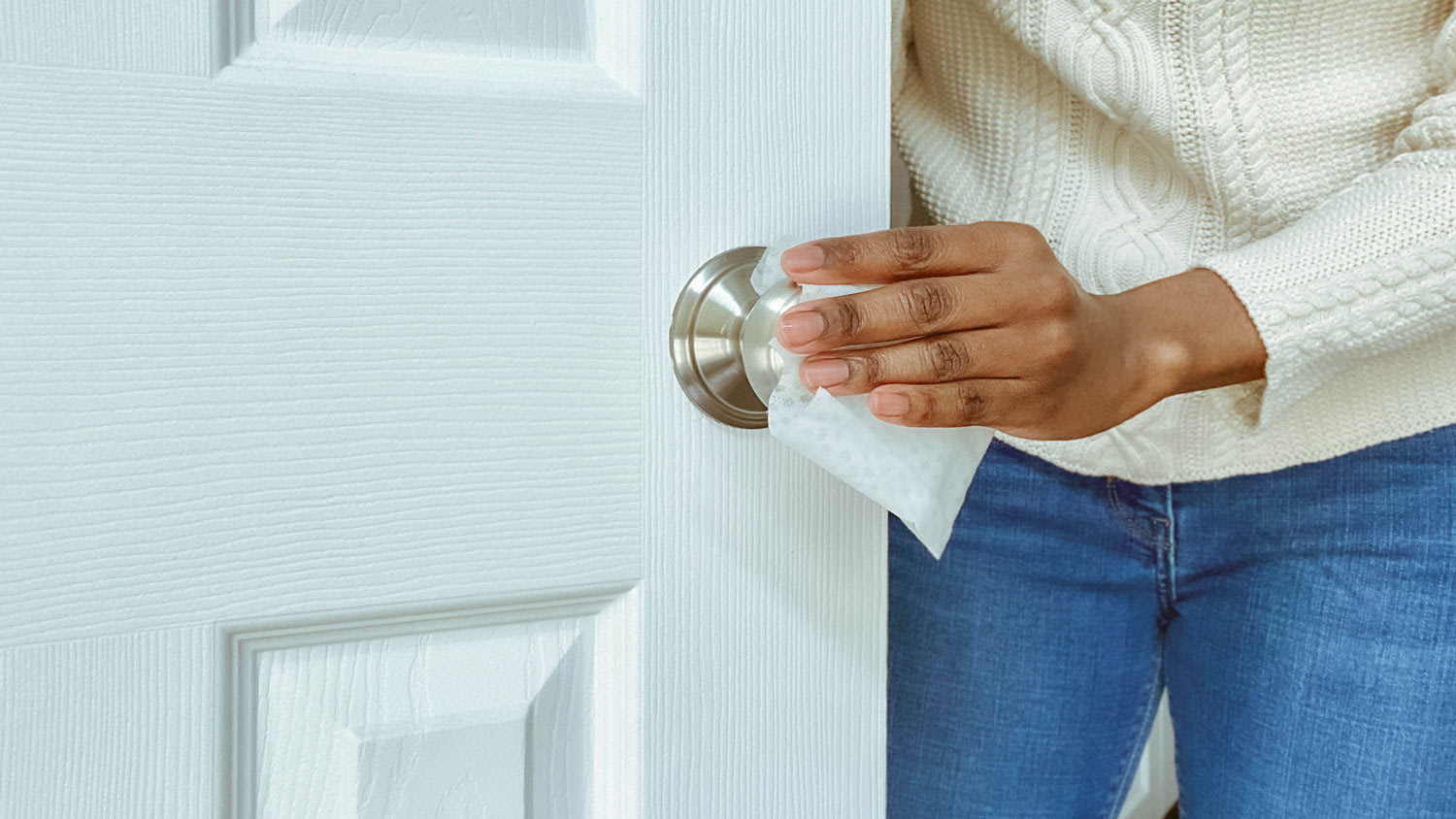
Every day, wipe down high-touch surfaces—such as cell phones and other handheld electronic devices, tabletops, counters, hardback chairs, and door handles—with disinfectant wipes or spray.
Opt for disposable paper products over towels—but if you stick with the latter, make sure to wash and dry them after every use. You might also consider using disposable dishes.
If you have a dishwasher with a sanitize setting, use it.
Because many germs are airborne, encourage the circulation of fresh air throughout the house. Leave windows open and make strategic use of fans and air purifiers.
Cover couches and anything else upholstered with blankets or towels, washing and changing them daily. Remove all decorative pillows and any other non-essential items that might collect germs.
Wash pillowcases daily.
Once everyone in your household is back on their feet, it’s time for a thorough deep cleaning. Make a plan and work room-by-room.
Whatever illness has blown through your home, the bathroom will likely have more than its share of the viral load. If you’ve got a steam cleaner, put it to work since bathrooms often have the kinds of nooks and crannies where bacteria love to hide.
Start by disinfecting every surface. Don’t forget:
Countertops
Faucets and shower handles
Every inch of the toilet
Light switches
Mirrors
Toiletries and other products that a sick person might have touched
The bathtub
The floor
Take out the trash and disinfect the bin. Everyone who has been sick should replace their toothbrush with a new one—or soak it in hydrogen peroxide for at least 30 minutes, and then rinse thoroughly—and the toothbrush holder should be scrubbed clean.
Wash all towels, bath mats, and linens, and dry them at high heat to kill germs.
When someone is sick, they typically spend a lot of time in bed. Disinfecting the bedroom is key to preventing the spread of infection and reducing the risk of reinfection.
Strip the bed and remove all linens, but don’t shake them out; that can spread germs around the room. Wash and dry them at high temperatures. Along with sheets and pillowcases, make sure to include pajamas and other sleepwear. If your child sleeps with stuffed animals or a favorite toy, make sure to clean those too. In addition to your regular detergent, use a laundry sanitizer safe for the fabric. Once the final load has gone in, disinfect the laundry bin and the hamper to avoid cross-contamination.
Vacuum the mattress and leave it bare for a few hours to air out. If the mattress has been soiled, you may need upholstery shampoo or another solution.
Thoroughly disinfect any nearby hard surfaces, such as nightstands, bedposts, and drawer handles.
When it’s time to scour the kitchen, opt for a microfiber cloth over a sponge—since nothing is more conducive to bacteria than a moist place to hide out. If a sponge is your only option, make sure to replace it once the deep clean has been completed—or microwave it for at least two minutes to kill all the organisms it might have soaked up.
Make sure to wash all dishes with lots of soap in the hottest water possible.
Disinfect all hard surfaces that a sick person may have touched, including the faucet, cabinet handles, countertops, and appliances like the coffee pot and microwave.
If rugs or any upholstered items have been soiled, steam them for five minutes at 170 degrees Fahrenheit or higher.
Using disinfecting wipes or applying liquid disinfectant to a microfiber cloth, make a final pass on any hard surfaces that may have been contaminated. Don’t forget:
Handheld devices or shared electronics (such as a computer keyboard)
Remote controls
Light switches
All knobs and handles
Thermostats
Toys
Finally, once everything has been cleaned, fully empty and then disinfect the insides of all trash receptacles.
I had FabClean 614 clean my apartment, and she did an outstanding job. She was so professional and efficient. My apartment looks absolutely spotless every surface, every corner, all cleaned to perfection. Definitely highly recommend FabClean 614 if you're looking for top-notch cleaning...
 Fab Clean 614
Best cleaning I've had at my property
Fantastic group, very communicative, and they really did a great job cleaning my condo. Will be hiring them for recurring cleaning!
 eMaids of Northern Columbus
Ace Fireplace Services' chimney sweep service is truly exceptional. They used advanced technology to ensure a thorough cleaning process, and my chimney has never looked better. I highly recommend their services.
 Ace Fireplace Services
100% satisfied with the work done by Supreme Brick & Chimney. Josh responded to my Angi request very quickly and squeezed our house into his schedule only a couple business days out. The chimney cleaning process was extremely clean with ZERO dirt going anywhere besides in Josh's vacuum. Very...
 Supreme brick & chimney
Excellent the crew was great did what I ask cleaned up and the price was awesome
 All Star Paving and Sealing
On time, clean and finished fast. Windows seem sturdy and the finish is good. Caulking was done with no smudges. Would recommend.
 Window Depot USA of Central Ohio
I definitely recommend Ramonaâ s cleaning service! I have booked services with her many times and she arrives on time, ready to work and provides a great service.
 Your Cleaning Solutions LLC
Mary Cleaning Service is fantastic! The entire team is professional and pay a great deal of attention to detail. They do such a thorough job of cleaning my house. I would definitely recommend!
It was just fine. They did a good job. They cleaned what needed to be cleaned.
 Dezired Cleaners LLC
From average costs to expert advice, get all the answers you need to get your job done.
Whether you have bugs, bats, or rodents invading your home, you’ll want to contact an exterminator quickly. Find out how much pest control costs.
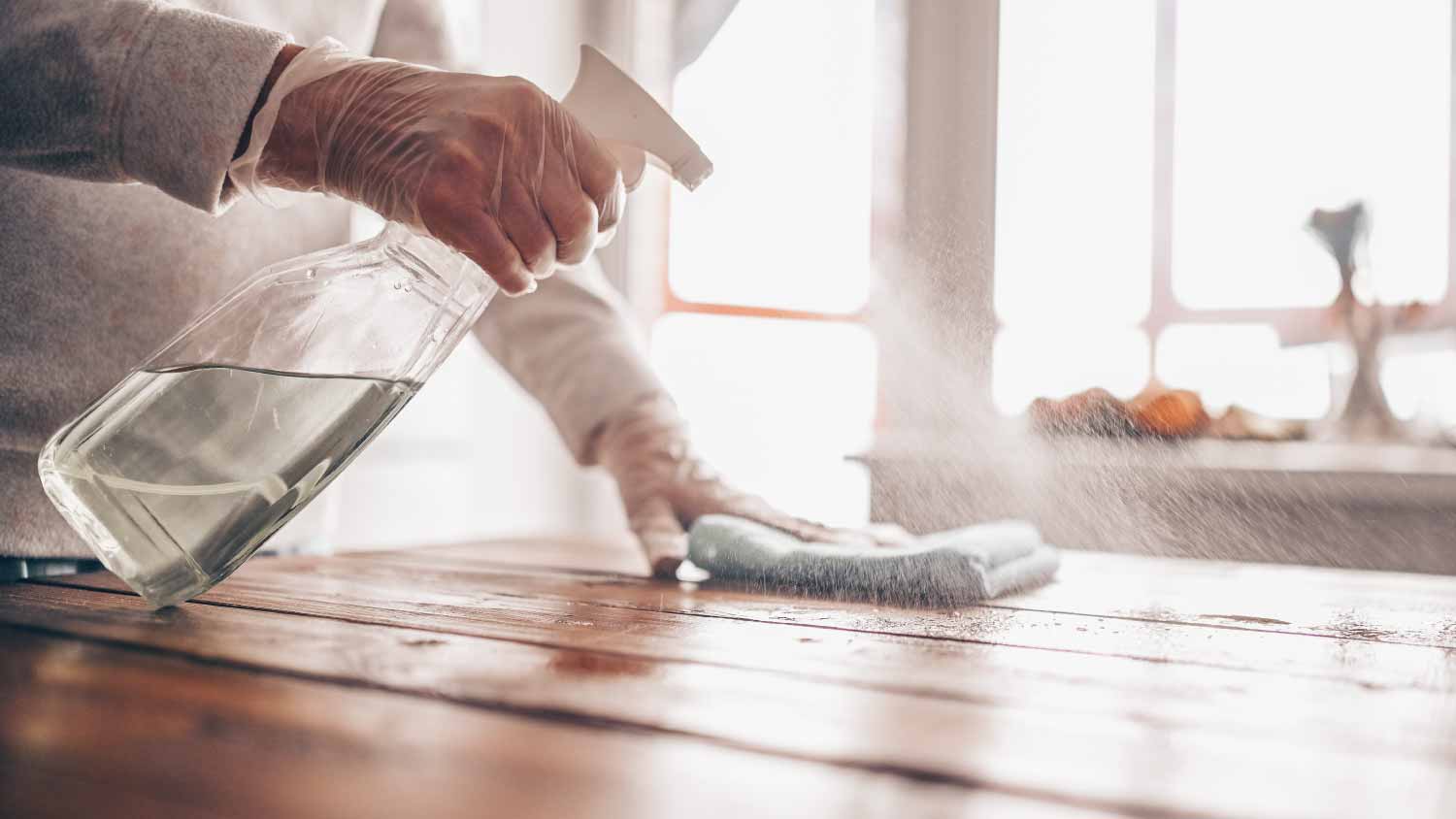
If you’re worried about germs, consider hiring someone to disinfect your home. This guide will help you find the perfect pro at the right price.
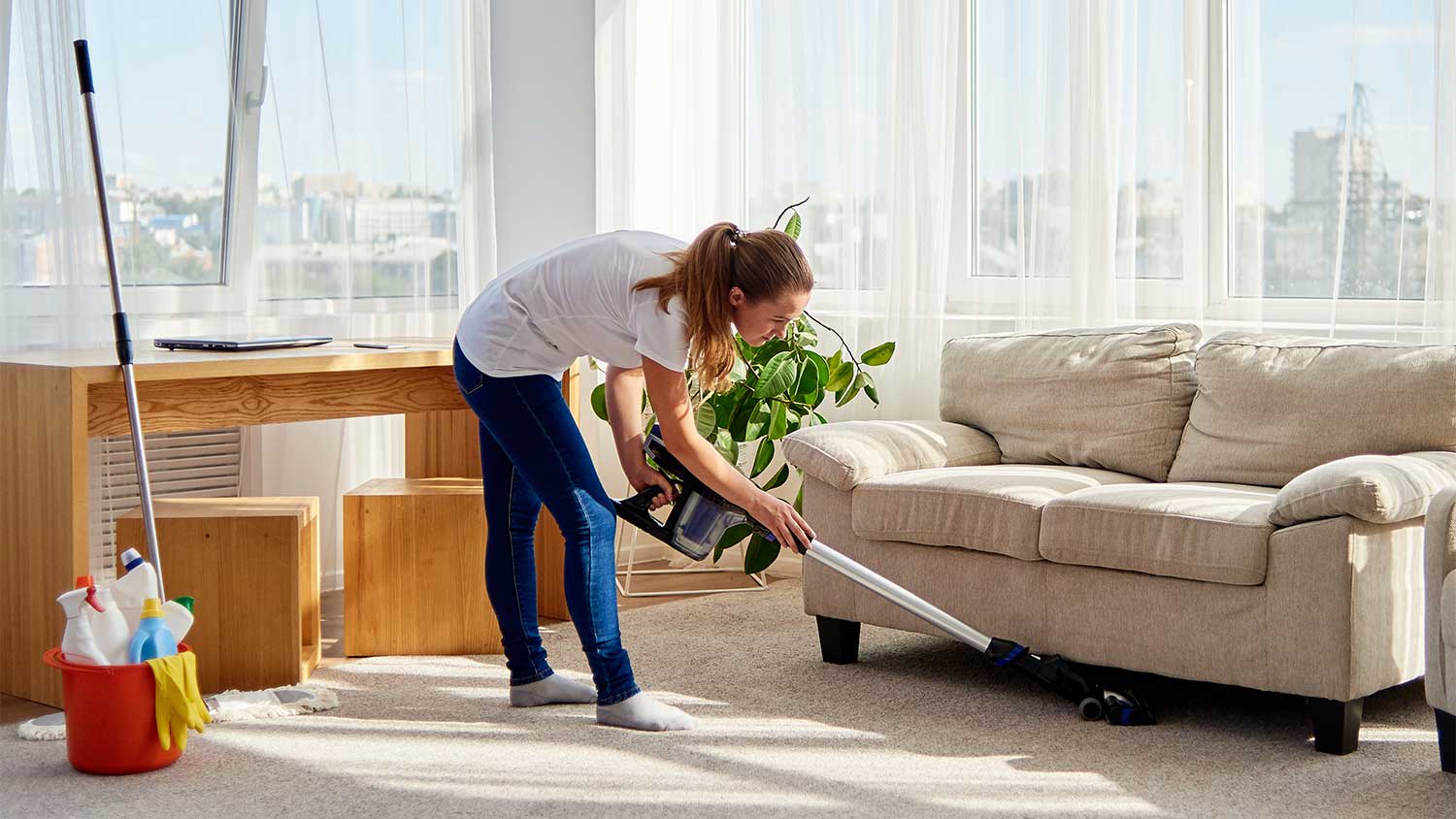
Are hidden allergens hiding in plain sight around your home and making you feel ill? From dust mites to mold, these common trouble areas are nothing to sneeze at.
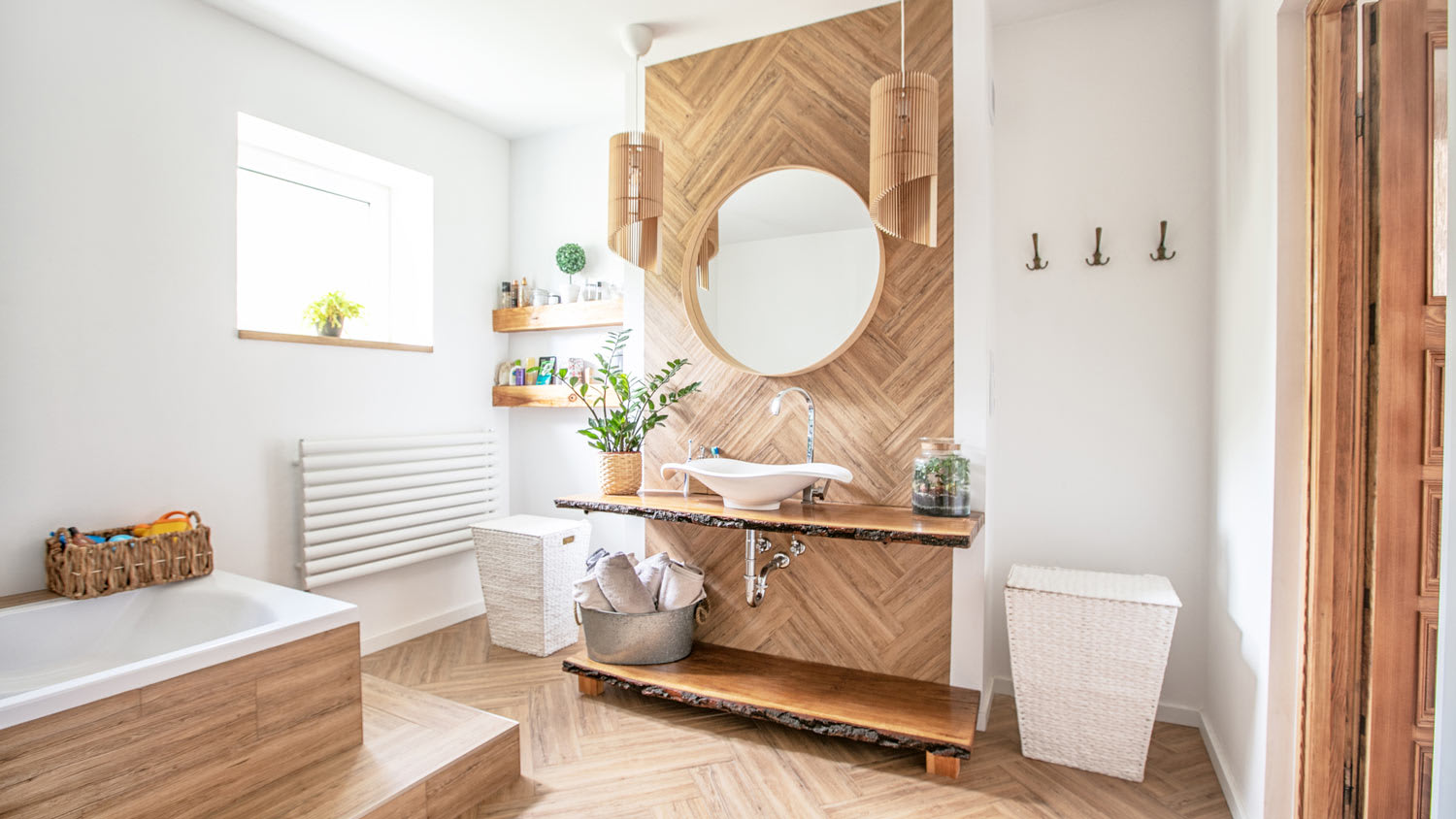
Germs aren’t just lurking on the toilet bowl—they may be on your rug or towels. Find the sneakiest bathroom germs, and learn how to prevent them.
When winter is coming, we want to do all we can to prevent illness. By intentionally cleaning and disinfecting specific locations in your home, you can reduce your chances of the winter sniffles.
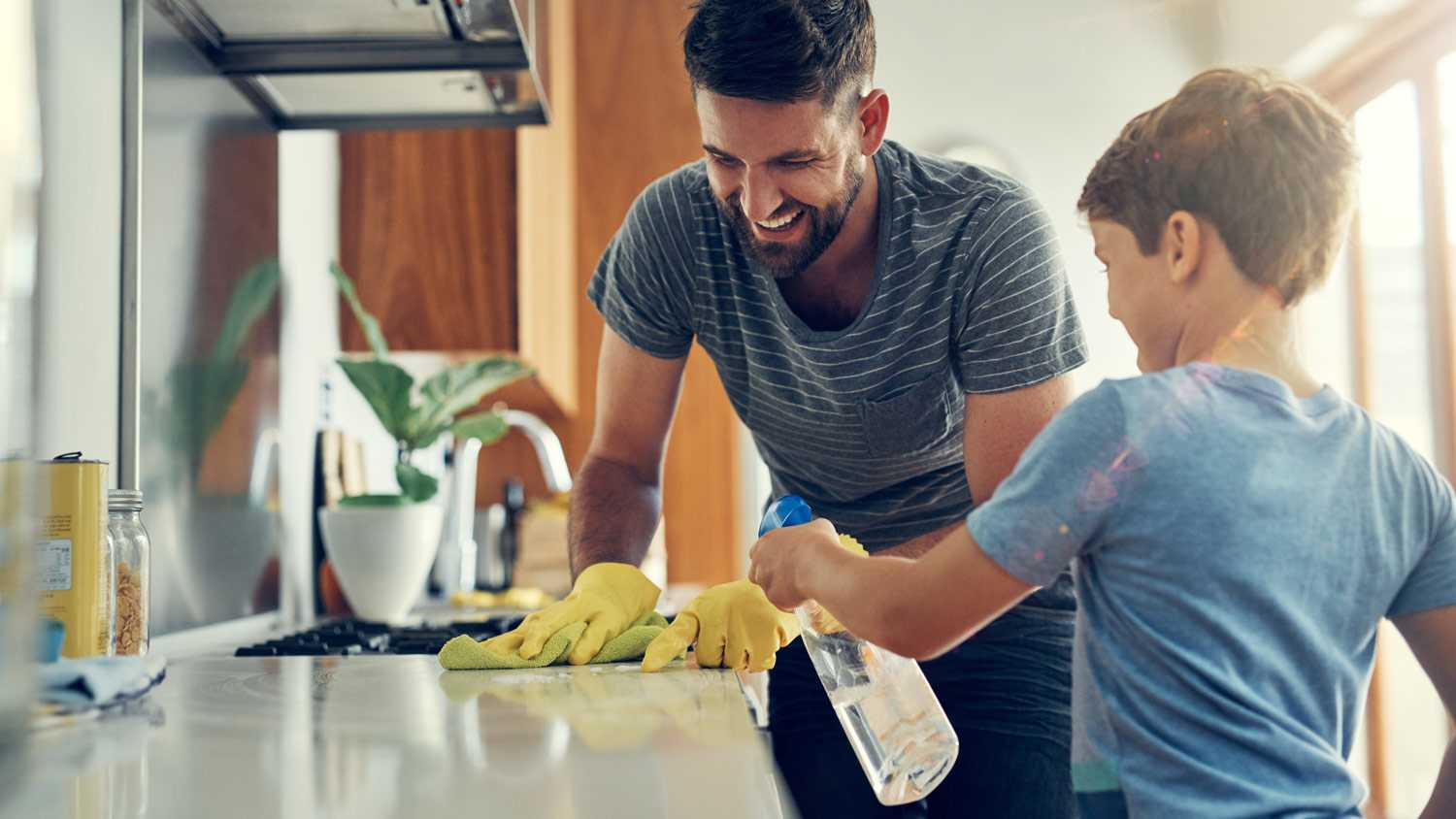
Whether you’re doing a deep clean after an illness or ensuring all your home’s surfaces are free from harmful germs and bacteria, disinfecting and cleaning can help. This guide breaks down how to disinfect your home’s surfaces.