

Natural gas generators are whole-home standby generators that are connected to your home’s natural gas line. The average cost for a natural gas generator is $12,000.
Let’s generate an answer to this electric question

Propane generators run on propane from refillable tanks, while natural gas generators connect to utility lines for a continuous fuel supply.
Expect to pay $2,000 to $25,000 for your whole-house generator, with natural gas models averaging $9,000 and propane averaging $11,500.
Your choice between propane and natural gas generators depends on factors like fuel availability, portability needs, installation complexity, and environmental priorities.
Hiring a local general contractor provides peace of mind with safe utility line connections and proper generator installation, keeping your home powered reliably.
In the event of a power outage, owning a high-quality propane or natural gas generator can keep you safe and comfortable. But, generators are a significant investment so it’s important to choose the right one for your unique needs. You’ll need to evaluate factors such as location, price, and reliability. Let’s compare two popular generator types: propane vs. natural gas.
The main difference between propane and natural gas generators is their fuel type—natural gas generators run on natural gas while propane generators are fueled by propane. Natural gas generators must be hooked up to utility lines, making the initial installation more time-consuming. However, after installation, natural gas is a cost-effective, convenient, and environmentally-friendly option.
Propane generators are attached to a propane tank and can be more easily transported, making it the more flexible choice. While propane is more expensive and burns hotter, this type of generator is highly energy-efficient and long-lasting.

A propane generator uses propane to produce electricity. The generator is attached to a large, refillable tank filled with a liquid form of propane. The highly combustible propane is then burned in the generator to create heat and energy for your home. Propane generators come in many different types, each designed to meet unique electrical needs. Before opting for a propane generator, make sure to carefully weigh the pros and cons.
| Pros | Cons |
|---|---|
| Long shelf life | More expensive |
| Clean-burning fuel | Requires refills |
| Reliable and easy to store | Requires storage space |
| Relatively quiet | Strict safety protocols must be followed |
Best for:
Homeowners without access to a natural gas supply
Environmentally-conscious people who want to reduce their carbon footprint
Quiet, rural areas
Since emergencies can restrict access to natural gas, propane generators offer the benefit of reliability and convenience. Propane tanks can be safely stored and transported if necessary. Propane generators also have a long shelf life, lasting 12 to 15 years before requiring replacement. Not to mention, propane is a clean-burning fuel source and emits lower amounts of greenhouse gas than other fuel sources.
Though plentiful in benefits, propane generators come with a hefty price tag. You could pay anywhere between $2,000 and $21,000 for a whole-house generator that runs on propane. Unlike unlimited natural gas supplies, propane tanks must be refilled once they’re empty.
Additionally, because propane tanks are highly flammable and pressurized, strict safety precautions must be taken to avoid deadly accidents. You’ll need a spacious and safe area to store your propane generator.

True to its name, a natural gas generator is powered by a pipeline of natural gas. Natural gas is a fossil fuel mainly made up of methane. It’s clean-burning, energy-efficient, and widely available in certain areas.
| Pros | Cons |
|---|---|
| Cost-effective | Limited portability |
| Convenient | Dependent on your home’s natural gas supply |
| Clean-burning fuel | Lower energy density |
Best for:
Areas with a reliable natural gas infrastructure
Individuals who need a continuous source of power
Remote areas without an electricity grid
Homeowners on a together budget
Compared to propane generators, natural gas generators cost less to run. The average fuel cost per day for natural gas is around $90, while propane costs $220. Natural gas generators provide a continuous supply of clean-burning fuel, making this type of generator quite environmentally-friendly.
Natural gas generators are connected to utility lines which limits their portability. If natural gas supplies are disrupted due to bad weather or a disaster, a natural gas generator may be inoperable. Also, natural gas is lower in energy density than propane, making it much less efficient.
Now that we’ve considered each contender separately, let’s explore how they measure up against each other in terms of price, noise, sustainability, and more.
Natural gas generators are more affordable than propane generators because natural gas is so widely available. You can purchase a natural gas generator for an average cost of $9,000, while propane generators cost around $11,500. However, you can pay anywhere from $2,000 to $25,000 or more for both natural gas and propane generators.
Propane generators have a slight edge on natural gas generators in the noise department. Propane generators are said to be much quieter than gas-powered generators. This makes propane ideal for homeowners who live in tranquil areas.
Compared to other fuel sources, both natural gas and propane are heralded as eco-friendly. They’re both clean-burning fuel sources with relatively low emission levels. While natural gas is slightly cleaner, propane has greater energy density. Since it’s such a close call, you’ll have to choose based on your own environmental values and electrical needs.
When it comes to setting up your propane generator, it’s a simple process of attaching a propane tank to your generator. On the other hand, installing a natural gas generator involves working with utility lines, plumbing, and wiring which makes it highly dangerous for a DIYer. We strongly recommend hiring a local general contractor to handle the installation of your natural gas generator.
Natural gas and propane generators both have a lifespan of around 10 to 30 years, so long as they’re maintained properly. Since natural gas burns cleaner than propane, buildup is less likely and may promote a longer lifespan. However, propane is still quite energy-efficient compared to other fuel sources and also less likely to cause erosion damage.
If you’re good people wanting to do business with good people, hire Matt. He is a consummate professional and utterly competent. He installed a water heater in my home at a price that beat competitors by hundreds of dollars with a promise to support the unit for its life (even after its 6 yr...
 Greene's Plumbing Services
I recently had Mosby Electric perform an electrical installation on 8-14-2026, and I couldn’t be more satisfied with the service. From the moment I called, their team demonstrated fast arrival and professionalism. The electricians were highly knowledgeable, completing the installation...
 Mosby Electric
Joseph did a great job with the staircase and trim. Timely and efficient, clear communication about the work, very fair pricing. For the stairs in particular, done very skillfully in an old house (1893) in a tight spiral, and very creative with how to do the handrail. Did a nice job with...
 Vouis Trim Carpentry L.L.C.
Jason has helped me with multiple household projects, with the most recent being new door installation. He has always showed up on time and organized and has done an incredible job! Jason is very professional and he's now my go-to for anything around my house that needs to be fixed or...
 Huff Garage Rescue, LLC
Very professional, knowledgeable and helpful! Completed the install on time and as expected.
 Ward's Services
Excellent, Prompt, Courteous Service!!! They were super friendly and quite personable. I felt very comfortable with the gentlemen that did the installation. They installed it exactly where I asked them to and they did an excellent job!! I loved their service so much.
 Tether House
The Mosby team went above and beyond for my project. They not only installed my light fixture; they also worked through an old, wonky, and as it turns out incorrect wiring issue from the work of prior contractors. Professional, thorough, conscientious, and kind. Five star experience. Thank you!
 Mosby Electric
Window Depot did an amazing job installing the windows in my basement! The process from start to finish was by far more than what I expected. I would highly recommend Window Depot if you want professionalism from the the consultation to the installation. Dont settle for mediocre when you can...
 Window Depot USA of Central Ohio
The guys did an outstanding job and we had a great experience with CarifaTile. I appreciated that Joe reviewed the quotes with me and set expectations prior to the install. The crews showed up as scheduled and always left the areas clean upon leaving the house. We will definitely use...
 CarifaTile
Called ahead and worked quickly to install keyless locks on vintage wooden doors.
 Expert Lock and Key, LLC
From average costs to expert advice, get all the answers you need to get your job done.
Natural gas generators are whole-home standby generators that are connected to your home’s natural gas line. The average cost for a natural gas generator is $12,000.
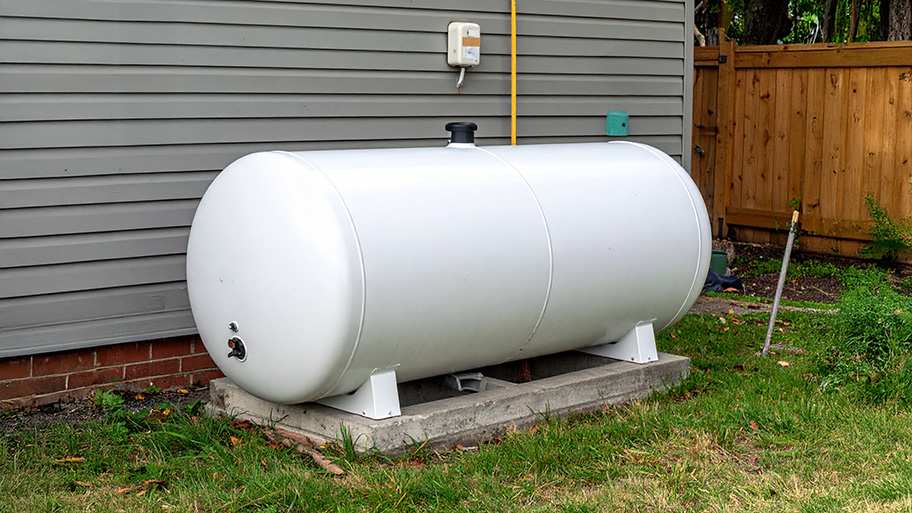
The average propane tank costs between $600 and $2,500, depending on the size, location, and more. Our expert guide explores all the factors.

Switching from oil to gas heating could impact your savings. This guide will help you understand the cost to convert from an oil furnace to a gas furnace.
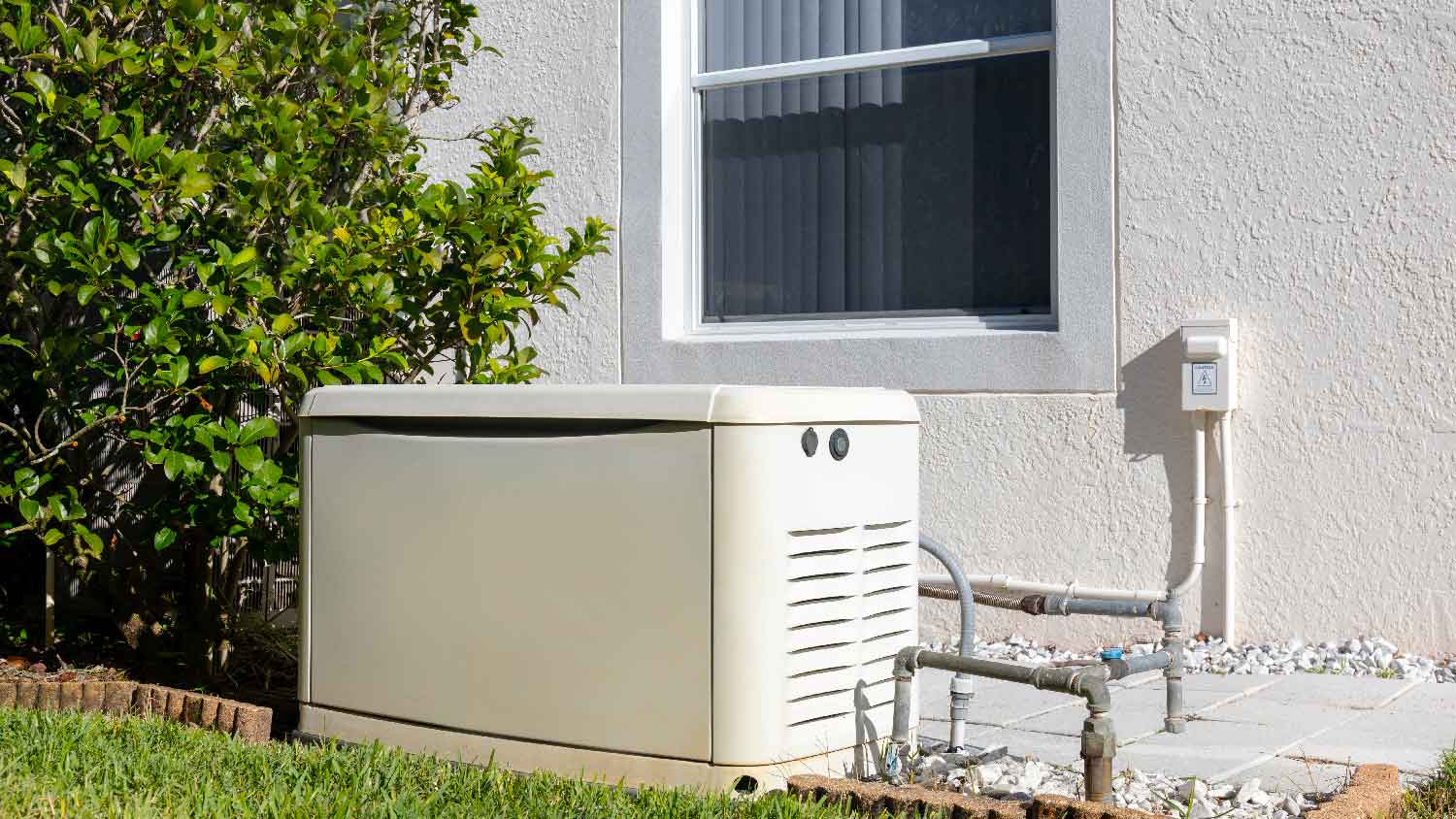
Before deciding between a gas generator and a natural gas generator, explore the differences. Compare gas vs. natural gas generator with our informative guide.

If you’re debating propane vs. natural gas for your home, this guide will help you decide based on fuel price, efficiency, risks, and more.
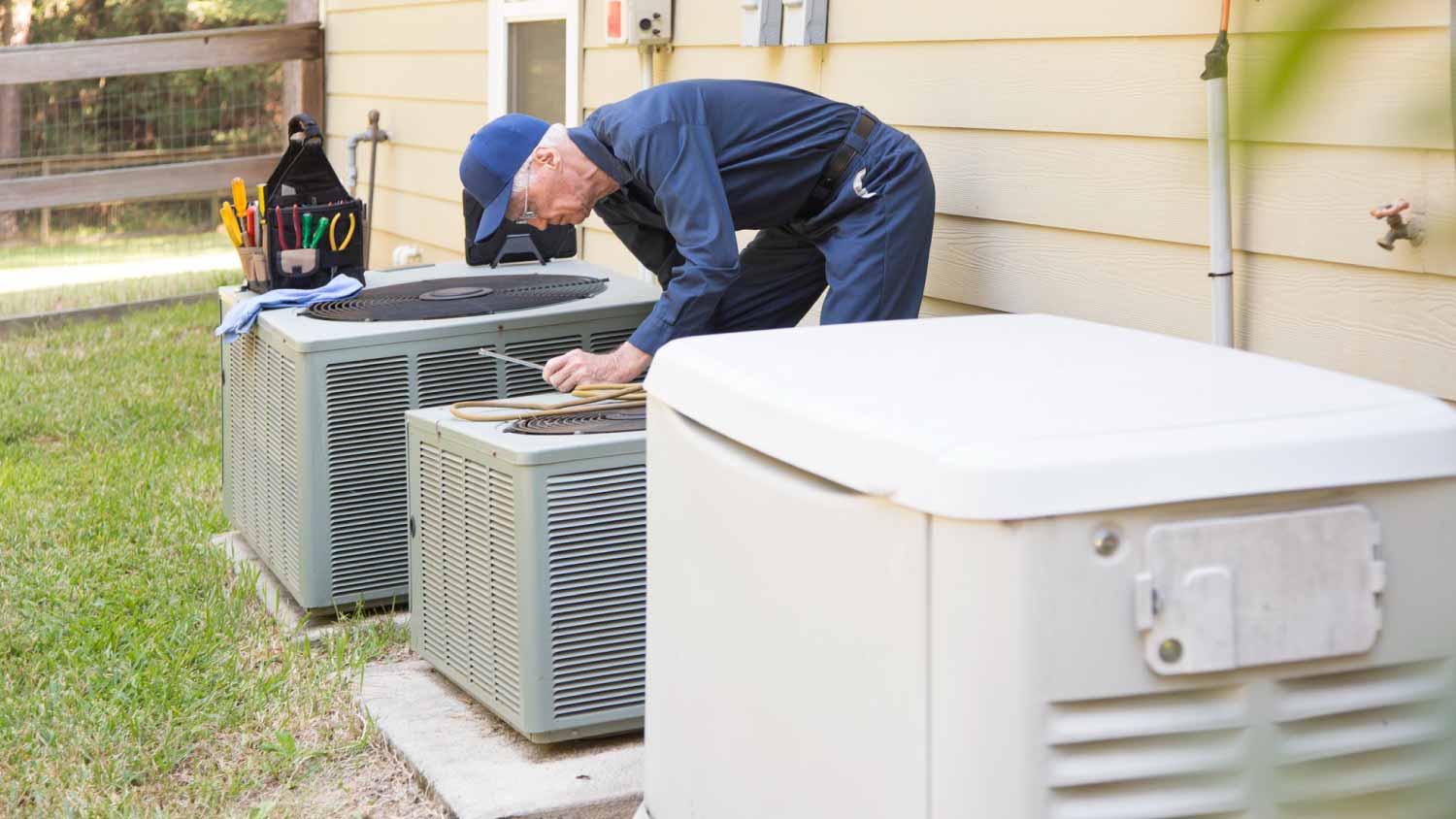
Natural gas generators can tap into existing gas lines so they never run out of fuel. Here’s how they work and how they’re used.