
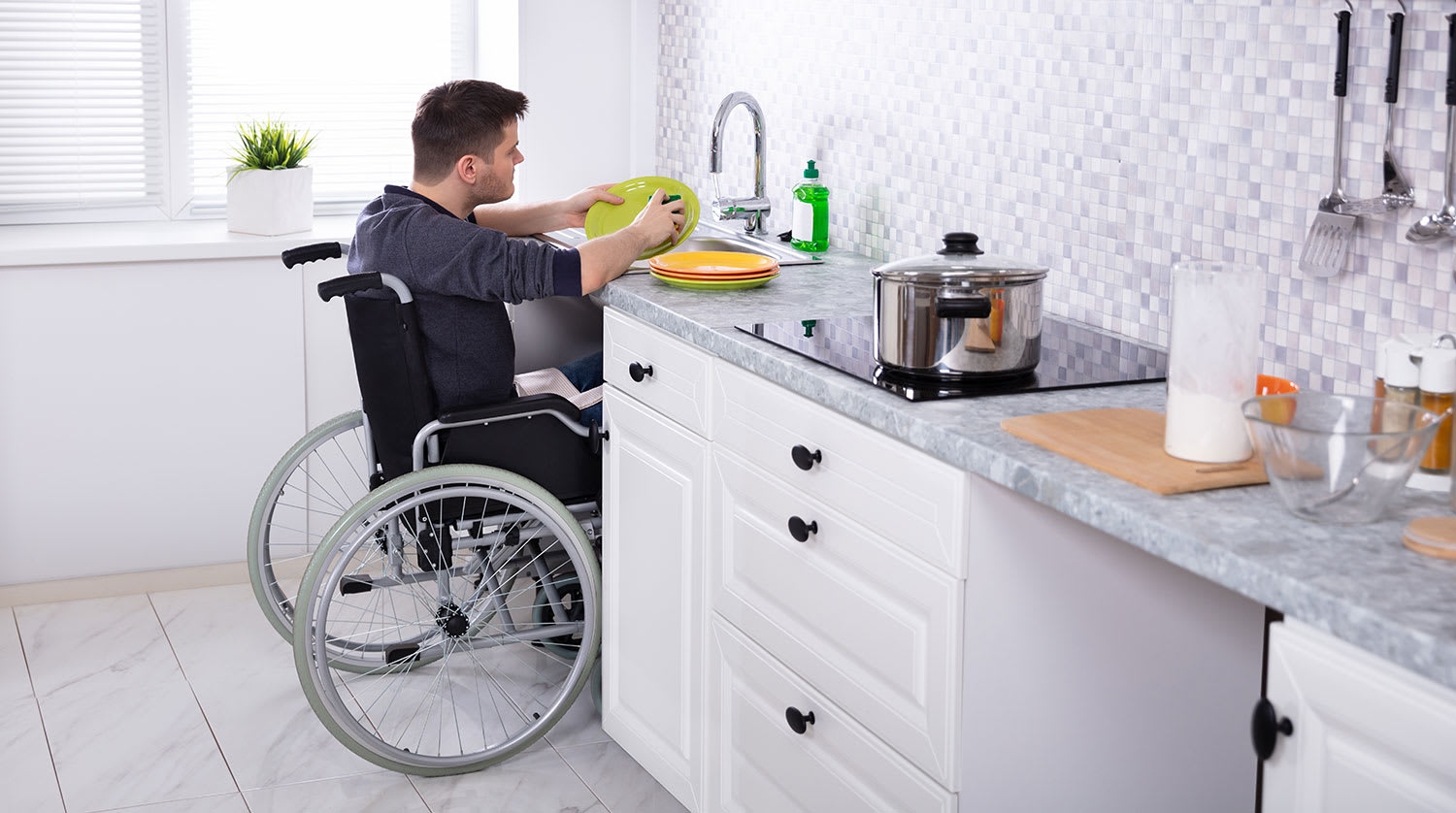
Making your house more accessible is a must for many homeowners, especially those with disabilities or older adults. Here’s what to expect when planning for accessibility improvements.
Your home may be a headache to clean sometimes, but you shouldn't have to clean it to avoid a headache altogether.

Poor ventilation and indoor pollutants from cooking, cleaning products, and air fresheners can trigger your headaches, runny nose, and breathing issues at home.
Dust mites thrive in your upholstered furniture, bedding, and carpets, leading to sneezing, itchy skin, and difficulty breathing for allergy sufferers.
You can improve your indoor air quality by using HEPA filters in vacuums, switching to green cleaners, and removing shoes at the door.
Hiring a local housekeeping professional provides deep cleaning that reduces allergens and improves your home's air quality for better long-term health.
For silent sufferers of seasonal allergies, your house should be a haven from itch-inducing pollen, sneeze-worthy grass, and the dreaded ragweed. But your home could harbor dust, mold, pests, and chemicals that make you feel low-key—or not so low-key—sick in your everyday life as well. Deep cleaning your home is not only ideal for avoiding bacteria, but it can also reduce allergens aggravating unexplained symptoms.
Harvard's T.H. Chan School of Public Health spoke with 36 experts to uncover hazards in our homes that could be making it a "sick" building. Since we spend 65% of our lives lounging, eating, and now often working in our homes, constant exposure to aggravating elements could affect our long-term health in a very subtle way.
Our daily habits, such as cooking, vacuuming, putting on makeup, and even switching on the HVAC, release particles. Mix this with poor ventilation, lack of good sunlight, or dirty air filters, and you have a recipe for headaches, poor sleep, runny noses, and even poor cognitive function.
While the term "sick building syndrome" often refers to office and commercial buildings, our homes can also become harborers of allergens that can affect our overall wellness over time.
Let's start by saying that you should always start by seeing your doctor the moment you sense a change in your health. If you have a sudden headache, switching up your cleaning solutions may be a good step five, but not step one.
All this said, you can take some cautionary steps recommended by the Harvard health team to remove common allergens and increase your home’s overall "health,” especially if you have asthma or allergy issues. Here are nine culprits that could be making your home an unhealthy place to rest.
Cleaning the floors catches everything from the muck on our shoes to the fallen cobwebs from the ceiling. But vacuum cleaners without proper HEPA filters may not trap in this grit as much as we think. In some cases, it's simply breaking it up and spraying it across the room in smaller particles.
Be sure to clean and regularly update your filters to ensure your vacuum protects your air as well as your floors.
Reactions to insect bites are one thing, but did you know that your body can react to the saliva, shed skin, and pest waste as well? Allergy and asthma sufferers can be particularly prone to issues. Not only does this pest residue build up inside walls, cabinets, and closets, but it can do even greater damage when circulated through your air ducts.
If you do suspect a pest problem, Harvard Health recommends sticking to what's known as Integrated Pest Management (IPM) and avoiding chemical pesticides that can cause further health problems.
Dust mites earn their own category simply due to their deep love of our homes and comfy spaces. Dust and dust mite allergies can lead to a running nose, sneezing, itchy skin, or even difficulty breathing.
Dust mites love to hide in upholstered furniture, bedding, mattresses, pillows, and certain flooring options. Stick with allergy-friendly flooring options like hardwood or linoleum if you're a dust-mite allergy sufferer.
Let's talk about leaks, moisture, and standing water. Not only is water the great nemesis of a safe and sturdy home, but it can lead to harmful or aggravating mold and mildew.
Mold in your air ducts is a major red flag, especially since your HVAC system is a prime area for collecting misdirected condensation. Roof leaks, plumbing problems, or even poor ventilation in your attic can also lead to hard-to-spot mold growth that can spread over time when left untreated.

Volatile Organic Compounds (VOCs) found in cleaning supplies, as well as bleach and ammonia, can exacerbate allergies symptoms and lead to headaches, itchy eyes, runny nose, and sore throat. It's not always easy to avoid using these products when you need to sanitize a surface, but cutting down on aerosol sprays can keep them from spreading throughout the room. Harvard Health also recommends sticking EPA-approved green cleaners whenever possible.
Speaking of VOCs, your air fresheners may, unfortunately, not be freshening the air as much as expected. Chemicals in plug-in fresheners can include VOCs and formaldehyde. Sadly, candles and incense are not ideal for very sensitive parties, even if you're longing for that autumnal scent of baked cookies or apple pie.
A proper exhaust hood—or at least a well-ventilated kitchen—is key to avoiding pollutants from cooking gas and non-stick pans. Cooking pollution can lead to breathing issues, fatigue, and headaches.
If you've always been one of those "please-take-your-shoes-off-at-the-door" types of households, you're cutting down on allergens as well as muddy floors. In addition to dirt and dust, you could track pesticides, herbicides, and other chemicals from the roadway that are harmful to both air quality and for your pet's paws.
Even more crucial than your cooking exhaust fan, a proper ventilation system for fireplaces and woodstoves is crucial to avoid CO2 poisoning and irritants from smoke and soot. Always call your local chimney sweep at least once a year for an inspection. Your flue should provide a strong draft to carry any dangerous chemicals up and out of our home.
This list of trouble areas may make it look like you need to spend your whole day washing the bedding and digging around for mold in the vent work. But a few changes in home habits and deep spring cleaning could be the key to healing your living space.
I had FabClean 614 clean my apartment, and she did an outstanding job. She was so professional and efficient. My apartment looks absolutely spotless every surface, every corner, all cleaned to perfection. Definitely highly recommend FabClean 614 if you're looking for top-notch cleaning...
 Fab Clean 614
Best cleaning I've had at my property
Fantastic group, very communicative, and they really did a great job cleaning my condo. Will be hiring them for recurring cleaning!
 eMaids of Northern Columbus
Ace Fireplace Services' chimney sweep service is truly exceptional. They used advanced technology to ensure a thorough cleaning process, and my chimney has never looked better. I highly recommend their services.
 Ace Fireplace Services
100% satisfied with the work done by Supreme Brick & Chimney. Josh responded to my Angi request very quickly and squeezed our house into his schedule only a couple business days out. The chimney cleaning process was extremely clean with ZERO dirt going anywhere besides in Josh's vacuum. Very...
 Supreme brick & chimney
Excellent the crew was great did what I ask cleaned up and the price was awesome
 All Star Paving and Sealing
On time, clean and finished fast. Windows seem sturdy and the finish is good. Caulking was done with no smudges. Would recommend.
 Window Depot USA of Central Ohio
I definitely recommend Ramonaâ s cleaning service! I have booked services with her many times and she arrives on time, ready to work and provides a great service.
 Your Cleaning Solutions LLC
Mary Cleaning Service is fantastic! The entire team is professional and pay a great deal of attention to detail. They do such a thorough job of cleaning my house. I would definitely recommend!
It was just fine. They did a good job. They cleaned what needed to be cleaned.
 Dezired Cleaners LLC
From average costs to expert advice, get all the answers you need to get your job done.
Making your house more accessible is a must for many homeowners, especially those with disabilities or older adults. Here’s what to expect when planning for accessibility improvements.

Listing your home soon or having trouble selling? Consider these essential home improvement and repair tips that will attract more potential buyers so you can sell your house quickly.
Mold is a serious health hazard and, unfortunately, difficult to detect in your home. Use this guide to help determine if hidden mold is making you sick.
Wondering who to call for a sick tree? Your best bet is a tree maintenance pro who can help diagnose the issue and advise you on the best course of action.

Why is my house so dry? This is a common question, especially during high or low temperature seasons. Learn why your house is dry and what to do about it.

Spotted lanternflies can harm your plants and trees. Learn how to control spotted lanternfly infestations with treatments and preventative measures.