

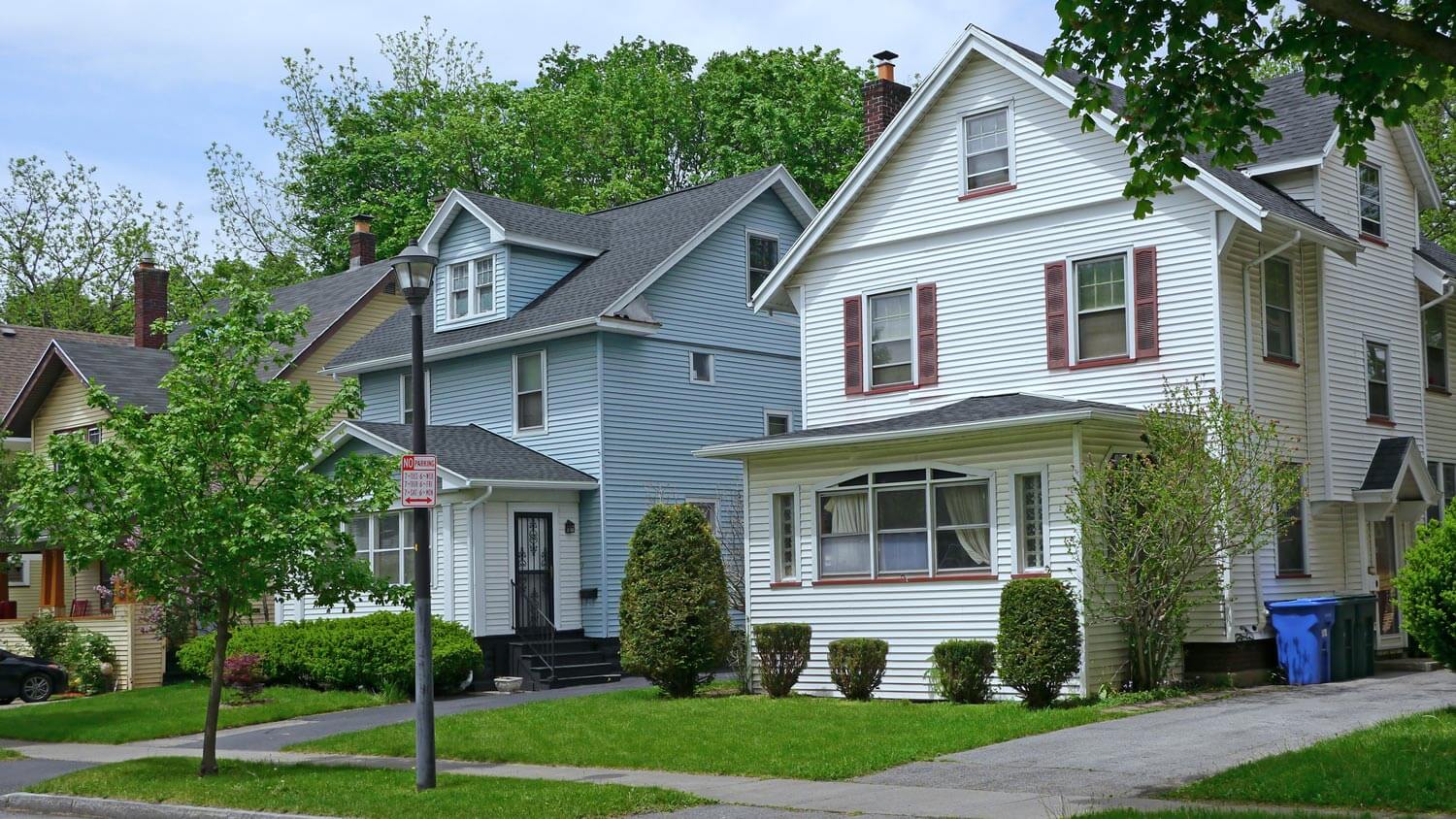
Aluminum siding costs between $4,500 and $19,000 on average, depending on the style, square footage, and local labor rates. Keep reading to estimate your budget.
Siding service costs depend on your project and location. Check with a local pro for your specific job.

Professional metal siding installation costs $3,958 to $19,439, with your specific metal type determining the final price.
The metal you choose and the gauge or thickness of your panels will impact your total installation costs significantly.
Account for accessories like fasteners and trim, plus existing siding removal if your wood substrate shows water damage or rot.
Hiring a local metal siding installation professional ensures your home exterior is installed correctly and boosts your property value.
In 2026, the national average cost for metal siding installation is $11,341, based on data from 194 verified projects by Angi Pros. Most homeowners pay between $3,958 and $19,439, with the spread driven by metal type, panel gauge, and the size of your home's exterior.
Metal siding typically costs $1 to $35 per square foot to install, with total project cost rising as square footage increases. For smaller projects under 500 square feet, minimum labor and delivery charges can cause your effective cost per square foot to double or triple. Costs vary by metal type and home size, as the table below shows.
| Siding Material | Home Size in Square Feet | Average Price in 2026 |
|---|---|---|
| Steel | 800 | $3,200–$12,800 |
| Steel | 1400 | $5,600–$22,400 |
| Steel | 2000 | $8,000–$32,000 |
| Steel | 2400 | $9,600–$38,400 |
| Steel | 3000 | $12,000–$48,000 |
| Aluminum | 800 | $2,400–$14,400 |
| Aluminum | 1400 | $4,200–$25,200 |
| Aluminum | 2000 | $6,000–$36,000 |
| Aluminum | 2400 | $7,200–$43,200 |
| Aluminum | 3000 | $9,000–$54,000 |
Metal siding comes in several material options ranging from $1 to $35 per square foot, with higher-end metals commanding a premium because they offer greater resistance to scratches, dents, rust, and corrosion. Costs vary meaningfully by metal type, as the breakdown below illustrates.
| Metal Siding Type | Cost Per Square Foot in 2026 | Typical Lifespan |
|---|---|---|
| Tin | $1 – $3 | 15 years |
| Aluminum | $3 – $18 | 50 years |
| Steel | $4 – $16 | 50 years |
| Zinc | $15 – $25 | 80 – 100 years |
| Copper | $20 – $35 | 100+ years |
Most steel siding costs $4 to $8 per square foot installed. However, there are a few specific types of steel siding that differ in price.
"Log" style steel used to create popular cabin looks costs around $5 per square foot.
Corrugated metal siding prices are usually $5–$8 per square foot.
Seamless steel panels with concealed fasteners cost up to $16 per square foot.
Labor from a professional metal siding contractor near you typically accounts for 30% to 60% of your total installation cost, with higher rates applying when siding is difficult to access or your home is in a remote location. That fee covers the full scope of work: site assessment, material selection, old siding removal, prep, installation, trim, final inspection, and cleanup.
Several factors beyond material type affect your total metal siding cost, including panel thickness, panel profile, insulation, finish, and accessories.
Gauge measures metal thickness, with lower numbers indicating thicker, heavier metal that costs more to purchase and install. For residential use, 24-gauge and 26-gauge are the most common choices within the standard 22- to 29-gauge range. Going lighter than 26-gauge can reduce upfront cost but is not recommended for home siding applications.

Metal siding panel profiles fall into two main groups: exposed fastener panels and concealed fastener panels, each offering a distinct aesthetic. Concealed fastener panels, such as flush wall and wave panels, are growing in popularity for their clean, modern look, but they are more difficult to install and twice as expensive as exposed fastener panels.
Choosing between insulated or non-insulated panels will come down to whether or not the structure requires insulation, or if there is existing insulation already in place. There are pros and cons to both:
Insulated panels: Significantly more expensive than non-insulated, but can lower the overall cost of the project if insulation is required (vs. installing separate insulation underneath the panels). Over time, the energy savings can offset its cost.
Non-insulated panels: Lighter, simpler, and cheaper than insulated. It is preferred if there is existing insulation already in place, or as a temporary siding option if insulation is unavailable or the structure will be altered further.
Assuming the underlying structure is prepped for paneling, there won’t be a large difference in cost during installation. Almost all of the increase will be due to material costs and, if you’re purchasing yourself, transport costs—insulated panels weigh more.
Residential metal siding is typically finished for corrosion protection and then painted for color, with finish choice affecting both appearance and cost. PVDF paint delivers better durability and longer-lasting color than SMP paint but costs 15% to 35% more, while galvanized metal offers a bright, shiny finish with built-in corrosion protection and no paint required. Costs vary by finish type, as the breakdown below shows.
| Finish Type | Cost Per Square Foot in 2026 |
|---|---|
| Galvanized Metal Finish (26-gauge) | $1.50 – $2 |
| Galvanized Metal Finish (24-gauge) | $2.50 – $3 |
| SMP Paint Finish | $2 – $2.50 |
| PVDF Paint Finish (Standard Colors) | $2.50 – $3 |
| PVDF Paint Finish (Specialty Colors) | $3.75 – $4.25 |
| PVDF Paint Finish (Aluminum) | $3.50 – $6.50 |
A complete metal siding installation requires accessories such as fasteners and trim, and the quantity you need scales with your project size. Fasteners run $0.10 to $0.15 each, trim for exposed fastener panels costs $1 to $2.50 per linear foot, and trim for concealed fastener panels costs $2 to $5 per linear foot.
Metal siding fasteners: $0.10 to $0.15 each
Trim for exposed fastener panels: $1 to $2.50 per linear foot
Trim for concealed fastener panels: $2 to $5 per linear foot

When installing metal siding over existing wood siding, you only need to replace the existing siding if the wood shows signs of water damage, sound wood in good condition can serve as a substrate without removal. Removal adds approximately $1 per square foot to your total project cost, so your contractor will assess the existing siding and recommend the right course of action.
Warped or rotting wood
Loose panels
Paint or wallpaper peeling inside your home
Mold
Your contractor will help you evaluate the condition of your existing siding and recommend the best course of action. Removing your old siding will add approximately $1 per square foot to your total project cost.
Installing siding doesn’t require much in the way of special tools or equipment, so it’s technically possible to DIY metal siding installation. Doing the work yourself will save you an average of between $3,350 and $6,700, but it’s still worth hiring a metal siding pro near you to get the job done properly and reduce the risk of property damage caused by mistakes.
Labor costs for metal siding installation can get expensive, but there are a few benefits to hiring a pro that make it well worth the investment:
DIY mistakes are easy to make and can lead to an increased risk of water damage, pest infestation, and reduced insulation for your home.
Pros will have the skill to get your siding just right, which will maximize your curb appeal and property value.
Experts will know if and when your home needs structural reinforcements to support heavier siding materials, like fiber cement, brick, and stone.
Hiring a pro means you won’t have to get up on a ladder or scaffolding to install second-story siding, which reduces the risk of personal injury.
While it’s best to leave the bulk of the labor to a pro, there are some things you can do yourself if you want a hand in getting the project done.
Remove your old siding if you’re comfortable with the work and can coordinate closely with your pro to time the project properly.
Prep the work area by moving outdoor furniture, disconnecting gutter downspouts, and trimming branches and shrubs away from your siding.
Handle removing and reinstalling exterior trim.
Paint your siding before your pro arrives if you want to customize the appearance.
If you already have metal siding on your home, you may wonder if it’s better to repair it if it’s damaged or replace it altogether.
In most cases, making repairs for minor damage makes the most financial sense. For instance, if a panel or two become dented due to inclement weather, the most cost-effective “repair” would be to replace those panels.
However, if a large portion of your metal siding has suffered extensive damage or weathering, you’re likely better off replacing it rather than trying to make repairs. A metal siding contractor can advise you on the best choice for your situation.
You have control over the price you pay for metal siding when it comes to the material quality you choose. The upfront cost of aluminum siding or steel is less than that of high-end materials like copper or zinc. These mid-range metals may be good options if you plan to sell your home in the short term.
You can find out exactly how much your metal siding project will cost by gathering quotes from contractors or material providers. Once you've decided which materials you want to use, you may be able to save money by purchasing directly from metal manufacturers.
Metal siding has one of the highest average returns on investment (ROI) of any siding material at 86%. It may have a higher up-front cost than other siding materials, but many homeowners find this cost worth it. Metal siding is one of the best house siding options for boosting curb appeal, and its durability is unmatched.
When comparing metal siding to one of the most popular siding options—vinyl—you’ll find that metal siding can increase your home’s value a bit more. That’s because it’s far more durable and long-lasting than vinyl siding. However, it does have a higher upfront cost at $1 to $35 per square foot compared to the vinyl siding cost of $3 to $12 per square foot.
Be ready to discuss what type of metal siding you want, including specific materials and style.
Let your pro know if you’ve noticed any issues with your existing siding, including leaks.
Talk to your pro about add-on services you want, including soffit and fascia replacement, gutter replacement, or exterior trim replacement.
If you plan on painting your metal siding, ask your pro about coordinating delivery so that you can paint before they arrive to install the material.
Home is the most important place on earth, which is why Angi has helped more than 150 million homeowners transform their houses into homes they adore. To help homeowners with their next project, Angi provides readers with the most accurate cost data and upholds strict editorial standards. We survey real Angi customers about their project costs to develop the pricing data you see, so you can make the best decisions for you and your home. We pair this data with research from reputable sources, including the U.S. Bureau of Labor Statistics, academic journals, market studies, and interviews with industry experts—all to ensure our prices reflect real-world projects.
Want to help us improve our cost data? Send us a recent project quote to [email protected]. Quotes and personal information will not be shared publicly.
The guys at PaveWay are top notch. From the estimate to the job being completed,all was done in a timely and professional manner. I myself was a DOT Engineer Inspector(know what to look for) and got to talking with Cameron and he himself was a Contract inspector for a few years,same job as...
 All Star Paving and Sealing
I highly recommend KTM construction! I will look no where else for anything that needs to be done, in or out side of our property. The level of craftsmanship is 5 star service across the board! The level of detail, knowledge and professionalism is 5 star service across the board! Ken is a...
 KTM Construction, LLC
I purchased the "Big Deal": $199.00 for exterior pressure-washing of one- or two-story home up to 2,000 square feet. They cleaned the siding only. I wasn't aware when I bought the Big Deal that they would not do any other surfaces other than the siding (i.e. sides of the gutters or stucco). I...
 Complete Home Services
This brownstone is historical and the carpentry work is very detailed. I was very happy to secure a company in NY and living in OH to complete the request. Wood work on this brownstone has been existing since approximately 1888 and West side did a GREAT JOB. I will not be able to...
 Westside Home Improvement
Nice group of workers, very friendly. Day 1 covered everything before starting, seemed very organized. Things seemed to be going great. Day 2 they didn't show up until around 10:00a.m. and work crew was cut in half, was told they had another job. Day 3 they didn't show up until around...
 CertaPro Painters of Columbus
The work went great! Couldn't ask for better. Joel set a work start date. About the time of the storms that may have been associated with Sandy. He was half a day late. They set up on a Thursday. On Friday they had a full crew at work. By Monday they were finishing up. Now, the best...
 NJW Construction
A few months ago, a tree branch fell across my car, leaving a series of dents across the hood and driver's side fender. I took it to Rife's after reading the Angie's List reviews. Rife's did a great job! My car looks like new. And they made the process as easy as possible. When I came in...
 Rife's Autobody Inc
I received an email from Angie's List offering Car Detailing 4 U's services for $99. Coming from Angie's List, I expected this to be a highly dependable and qualified company that was known for doing exceptional work. I set the appointment for them to come to my home. They were arrive at...
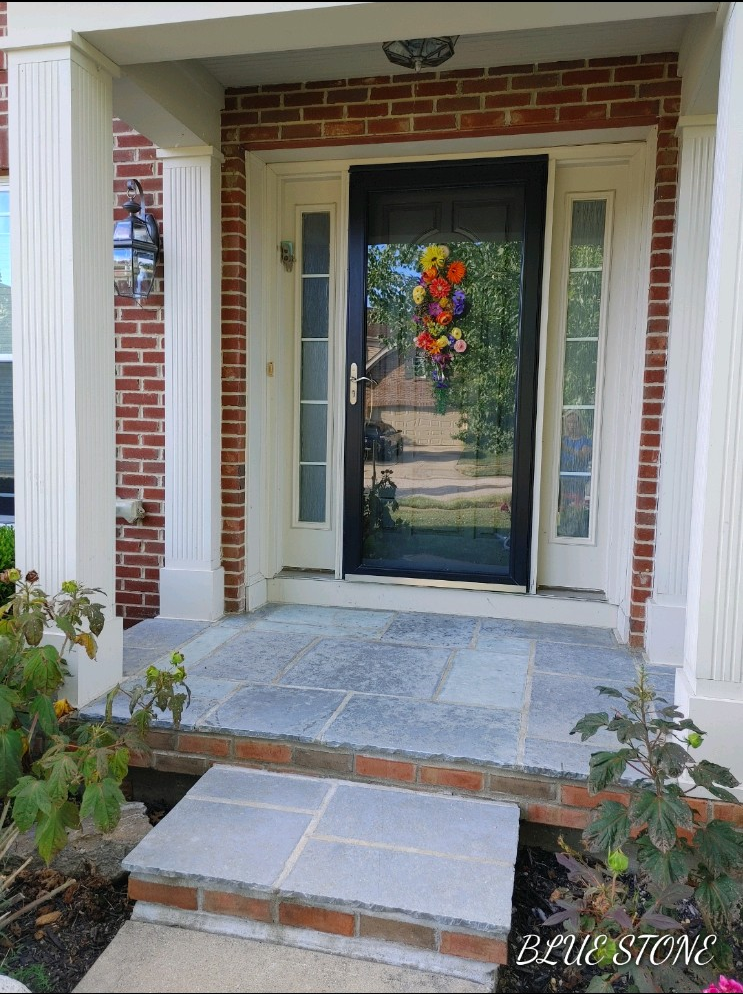
We first had Mark fix the back patio and liked his work so much we had him make a brick patio on the side of the house. When we decided to change our concrete walkway to brick, we wanted Mark to do the job because his prices were fair and he did such good work on t he other two projects.
 Mark Monnette Masonry
I was very pleased with the cost and end result. I truly expected this job to cost me 50% more than it did. When you factor quality and cost, I would highly recommend Mark's services and plan to use him in the future. The best part was, I asked Mark to match the paint color in one section...
 Fresh Touch Custom Painting Inc.
From average costs to expert advice, get all the answers you need to get your job done.
Aluminum siding costs between $4,500 and $19,000 on average, depending on the style, square footage, and local labor rates. Keep reading to estimate your budget.
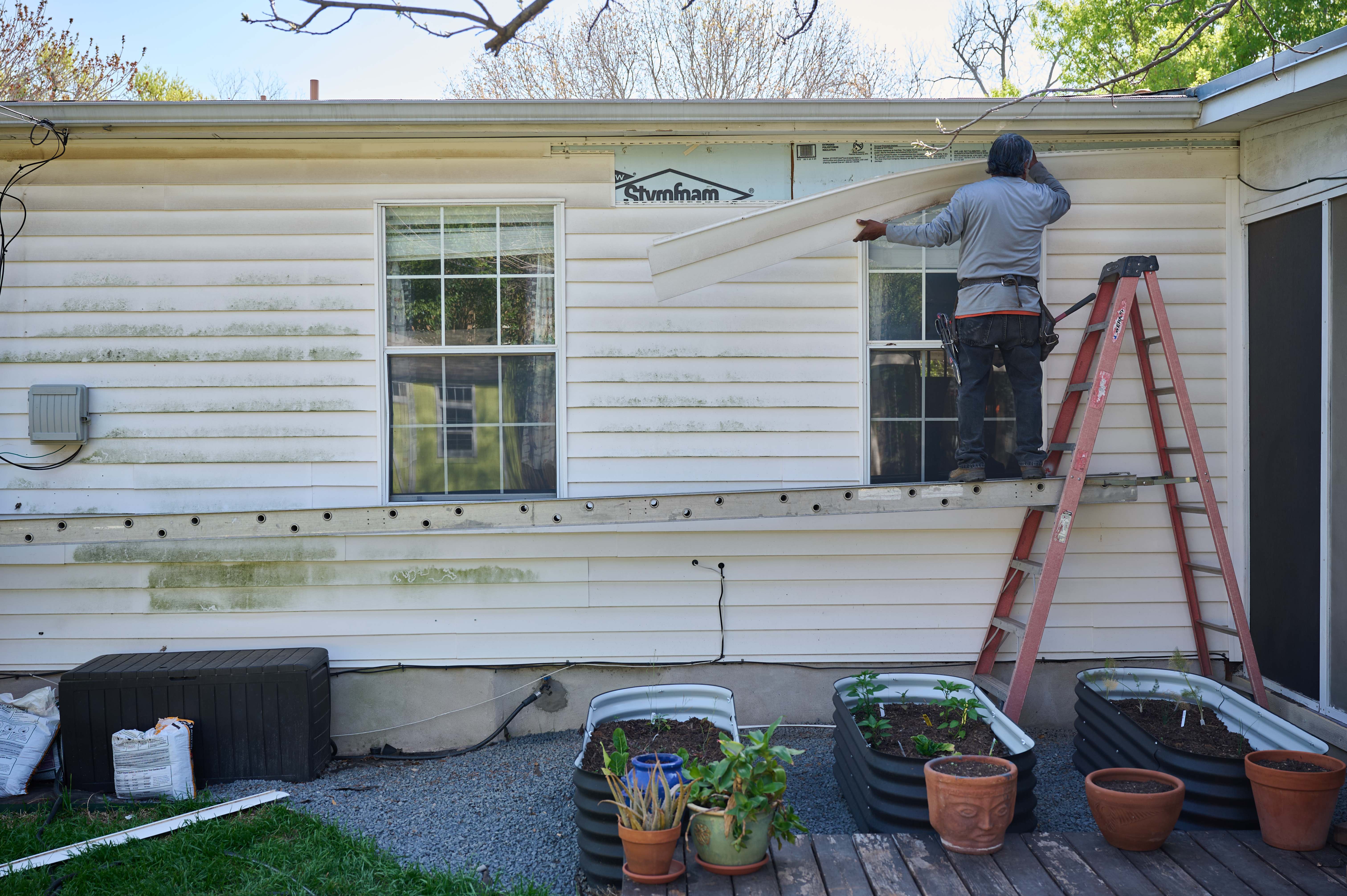
Siding replacement costs around $11,000 on average, but several factors influence what you’ll pay. Our guide breaks down all the siding cost factors.
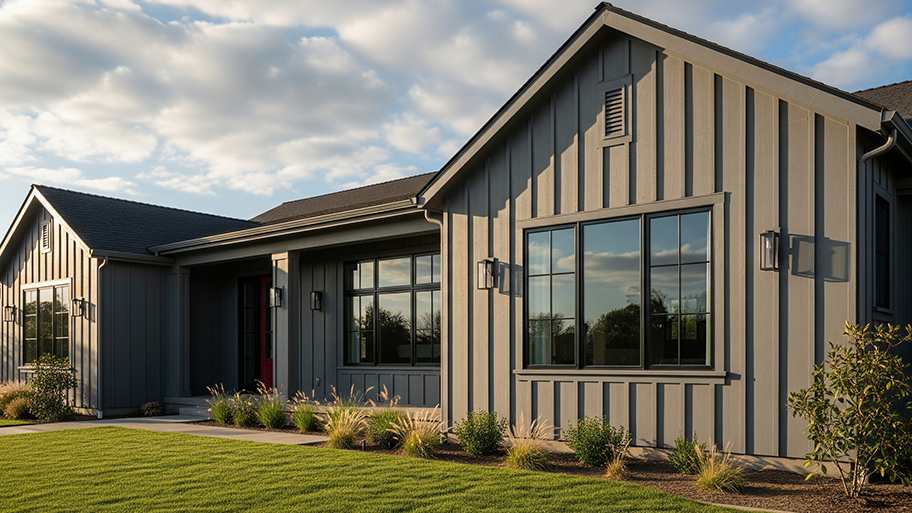
How much does board and batten siding cost? Our cost guide breaks down material and labor costs and offers tips to save money on your new siding.
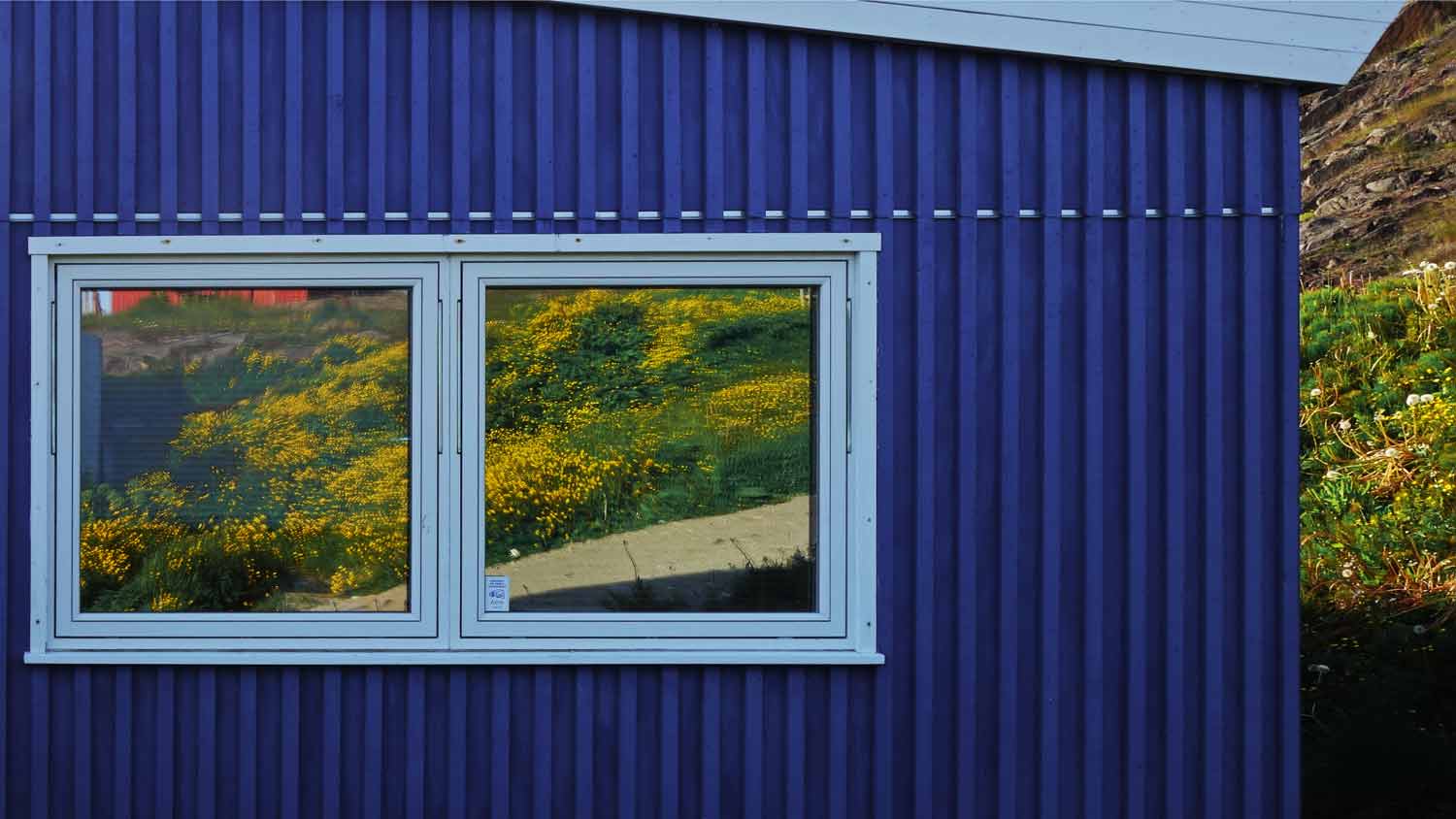
Compare the costs for standing seam metal siding vs. fiber siding, as well as the perks and downsides of each of these popular materials.
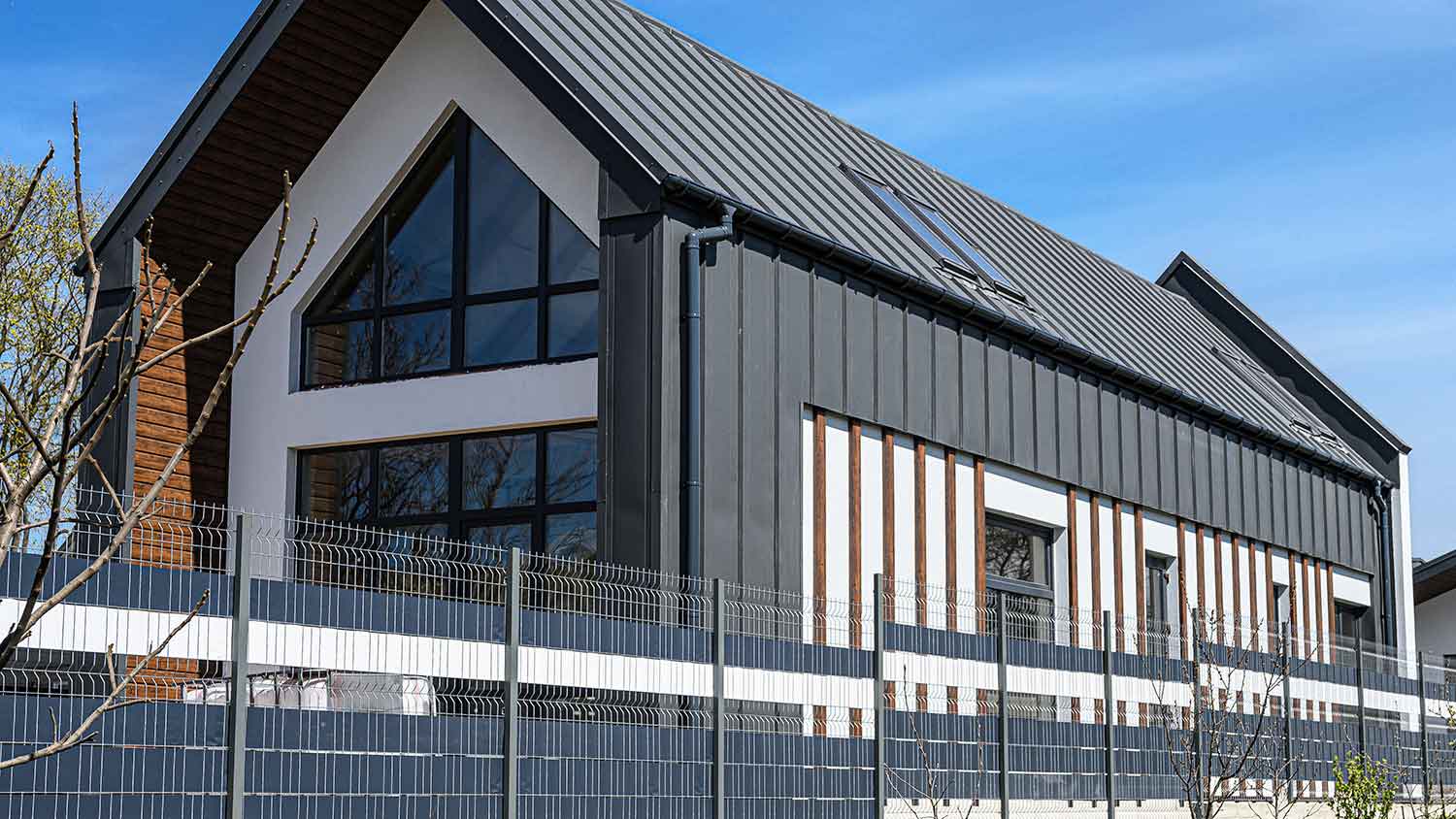
Thinking about upgrading your home's exterior with metal siding? Learn about material options, installation costs, and how to hire the right local pro.
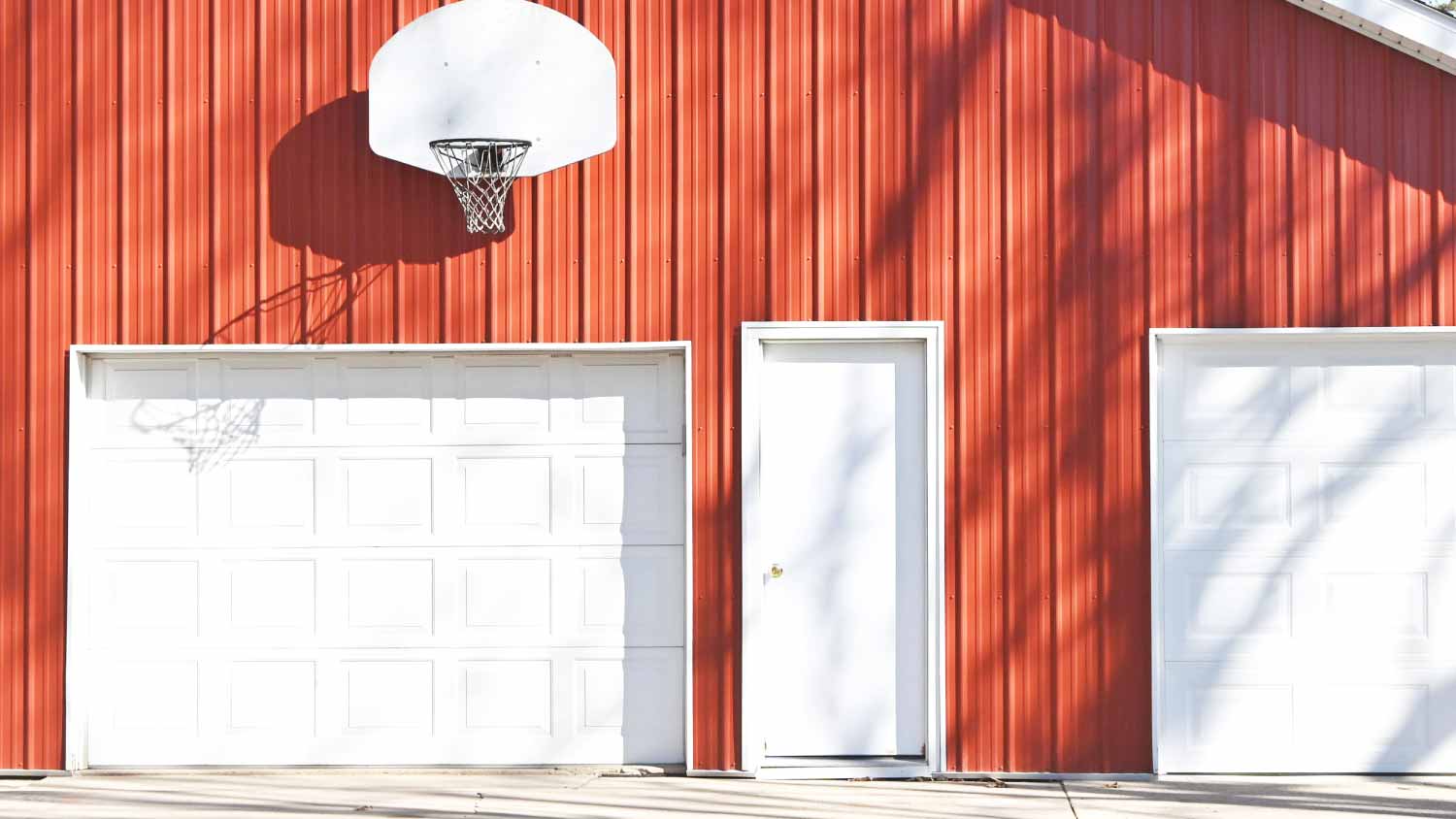
Learn the pros and cons of metal siding in this comprehensive guide. Learn how long metal siding lasts, its cost, and whether or not it's right for your home.