

Keep pool-side dreams from getting short-circuited by being aware of pool electrical installation costs in Washington, D.C., and how they can affect your overall budget.
Electrical service costs depend on your project and location. Check with a local pro for your specific job.


Installing an electric vehicle charging station in Washington, D.C., costs $1,161 on average for homeowners.
Your total project price depends heavily on the charger type, panel distance, and necessary electrical upgrades.
Upgrading to a Level 2 charging station adds between $765 and $2,180 to your final installation costs.
Hiring an EV charger installer in Washington, D.C., for this project keeps you and your household safe from electrical fires.
This article was created using automation technology and thoroughly fact-checked and edited by an Angi Editor in accordance with our AI policy.
Electric vehicle charging station installation in Washington, D.C., runs $1,161 on average, but ranges from $742 to $1,598. Your total price depends on the charger level you choose, your home's current electrical panel capacity, and local labor rates. Before hiring an electrician to set up your charging station, understanding these costs helps you plan a project that fits your budget and keeps your home safe.
Installing an EV charger in Washington, D.C. requires a licensed electrician to ensure your home's electrical system safely handles the increased power demand. Your total price depends heavily on the charger level you select, the complexity of the wiring, and any necessary upgrades to your existing electrical panel.
The type of charging station you select dictates the voltage requirements and the overall equipment price. In Washington, D.C., homeowners pay an average of $1,161 for the total project, with most installations ranging from $742 to $1,598 depending on the unit. A standard Level 1 charger costs $330 to $655 per unit, while a faster Level 2 system runs $765 to $2,180 per unit. Because winter snowstorms and extreme humidity impact outdoor electronics, selecting a durable charger type suited for this climate is essential for long-term reliability. Before selecting a unit, schedule a home energy audit to determine your current power capacity.
| Charging Station Type | Voltage Requirements | Local Average Cost | National Average Cost |
|---|---|---|---|
| Level 1 | 110V–120V | $330–$655 | $300–$600 |
| Level 2 | 220V–240V | $765–$2,180 | $700–$2,000 |
Securing financing through your bank or the charger manufacturer spreads out the initial investment of your new station. In Washington, D.C., flexible payment plans make it easier to afford a high-quality installation that withstands our hot, muggy summers and freezing winters. Check with local utility providers for rebates that lower your out-of-pocket expenses.
Level 1 chargers plug directly into a standard 120-volt household outlet, making them the most budget-friendly option with minimal installation requirements. While convenient, these units charge slowly, which presents a challenge in Washington, D.C., when you need to quickly recover battery range after driving in heavy snowstorms. If you rely on your vehicle for daily commuting, account for the longer charging times associated with this setup.
Level 2 chargers require a dedicated 240-volt circuit, which increases the installation price but drastically reduces your charging time. For drivers in Washington, D.C., this faster charging capability provides a major benefit during extreme humidity or severe weather events when you need your vehicle ready at a moment's notice. We recommend this upgrade for maximum convenience and driving range.
Hiring a licensed professional ensures your new charging station operates safely and meets all local building codes. In Washington, D.C., labor rates vary based on the complexity of the wiring and the condition of your current electrical system. Proper installation prevents hazards, especially when dealing with the heavy rain and flooding common in our subtropical climate. Factoring in the cost of the electrical panel upgrade is necessary if your home requires additional power to support the new circuit.
Beyond the base unit and labor, several upgrades and site-specific requirements influence your final project total. In Washington, D.C., tailoring your setup to handle both daily use and severe weather ensures a safe, efficient charging experience.
Wi-Fi-enabled chargers allow you to monitor energy usage, schedule charging times, and control the unit remotely via a smartphone app. Adding these smart capabilities increases the upfront price but helps you manage electricity consumption efficiently in Washington, D.C. We recommend these features so you can schedule charging during off-peak hours, even when you are stuck inside during heavy snowstorms.
Built-in safety mechanisms like overvoltage protection, leakage protection, and high waterproof ratings add to the equipment price but protect your investment. In Washington, D.C., where hurricanes and flooding pose real threats to outdoor electronics, investing in an IP67-rated charger is essential. This added protection ensures your station remains functional and safe during severe weather.
Older homes require a dedicated circuit or a complete panel replacement to support the electrical capacity of a new Level 2 charger. Upgrading your system increases the overall project price but guarantees safe operation in Washington, D.C. If you are scheduling this work, review your circuit breaker replacement costs to ensure your entire home is protected against power surges during summer thunderstorms.
Outdoor installations require specialized covers or heavy-duty enclosures to shield the charger from the elements, adding a small premium to your total. For homeowners in Washington, D.C., robust weatherproofing is mandatory to protect the electrical components from extreme humidity, heavy rain, and freezing snow. A lockable enclosure provides both security and durability in harsh climates.
Depending on your driveway or garage layout, you may need specific hardware, such as wall mounts or free-standing pedestals, to secure the charger. These accessories increase the material price but provide a clean, accessible setup in Washington, D.C. Proper mounting keeps the cables off the ground, protecting them from standing water during seasonal flooding. We also recommend scheduling a garage door installation to further protect your new equipment from the elements.
Charging your vehicle at home offers significant long-term savings and convenience compared to relying on public commercial stations. In Washington, D.C., having a dedicated home charger means you never wait in line or navigate through heavy snowstorms to find an available plug. Evaluate your daily driving habits to see how quickly a home station pays for itself.
| Pros of an EV Charging Station | Cons of an EV Charging Station |
|---|---|
| Charge your EV whenever you want | Most chargers can only reach up to 25 feet away and may not reach detached garages or street parking |
| Faster charging with Level 2 chargers compared to standard outlets | Older homes may require electrical system upgrades |
| More affordable to charge a standard-sized EV at home | Higher initial installation costs |
Hiring a local electrician to install your new charging station in Washington, D.C. ensures your home safely handles the increased electrical load. Professionals charge $400 to $1,200 per project for labor, depending on the wiring complexity and distance to your electrical panel. Because outdoor electronics face extreme humidity and freezing snowstorms in our climate, proper installation prevents serious hazards. We recommend factoring the local 6% sales tax into your material budget when purchasing the charger and necessary upgrades.
Before hiring a pro, verify they hold the required electrical license for Washington, D.C., and ask for proof of liability insurance and workers' comp if they have employees. Hiring an unlicensed pro can leave you with little protection if something goes wrong and may make it harder to recover payments or hold them accountable. To verify the type of licensing required, visit the Washington, D.C. government's official licensing board website for more information.
Before starting EV charging, confirm whether your project requires permits in your area and who is responsible for obtaining them. Permit requirements and costs vary by location, but most EV charging permits range from $100 to $200, depending on the scope of work and your local municipality. Working without the proper permits can lead to fines, project delays, or complications when selling your home. If you're hiring a pro, review your contract to ensure they will handle the permitting process and inspections. To verify permit requirements, visit your city or county's official building department website for the most accurate and up-to-date information.
Hiring an EV charger installer in Washington, D.C. ensures your home's electrical system remains safe while adding long-term value and saving you the time of navigating complex wiring yourself.
Professionals possess the specialized tools and testing equipment to correctly configure high-voltage circuits.
Local experts understand the specific electrical codes and permitting requirements for Washington, D.C., guaranteeing a fully compliant installation.
Licensed contractors assess your electrical panel's capacity to prevent dangerous overloads and tripped breakers.
Certified installers secure manufacturer warranties on your charging equipment, protecting your investment.
Home is the most important place on earth, which is why Angi has helped more than 150 million homeowners transform their houses into homes they adore. To help homeowners with their next project, Angi provides readers with the most accurate cost data and upholds strict editorial standards. We’ve surveyed thousands of real Angi customers about their project costs to develop the pricing data you see, so you can make the best decisions for you and your home. We pair this data with research from reputable sources, including the U.S. Bureau of Labor Statistics, academic journals, market studies, and interviews with industry experts—all to ensure our prices reflect real-world projects.
Want to help us improve our cost data? Send us a recent project quote to [email protected]. Quotes and personal information will not be shared publicly.
Professional, prompt and performed quality work on our electric panel replacement. Would highly recommend
 Powerworks LLC
Kevin provided excellent service for my electrical project. He was very professional, knowledgeable and courteous. Provided thorough communication and was responsive to questions. Very efficient. Highly recommended.
 Mr. Electric of Bethesda & Northwest DC
517GMJ intalled a new junction box, breakers and wiring for my electric stove (240 v) and installed the electric stove and range hood fan. They came to look at my apartment, and put together a proposal/scope and were timely in performing / completing the work. They...
 Hvac507 517GMJ
I found John Max Electric on Angi and couldn’t be happier with their service. They arrived promptly with a team of three skilled professionals who tackled each of the five electrical issues with precision and efficiency. What really stood out to me was their honesty—there was no price...
Chris is terrific. He did the electrical on my full remodel down to the studs. He's the total package--highly capable and efficient, on-time and responsive, and a good human being.
 Basham Electric
Mayquebec Electric was amazing and professional . Showed up on time and was very knowledgeable with my situation .
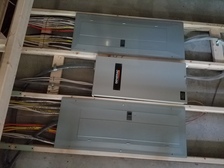 Mayquebec Electric
Wilcox electric did a terrific job! I own a 110 year old Washington, DC row-house. I needed to add and replace several electrical outlets throughout the home.
 Wilcox Electric LLC
Honest and very reliable! Wonderful to work with for all types of electrical projects!
 AA Electric LLC
Infinite Electric LLC did a superb job with the installation of my home EV charging station. The owner, Alain, came to my home, spent a significant amount of time to thoroughly review our needs and then gave my wife and I a truly reasonable quote. It took less than a week to get on their...
 Infinite Electric, LLC
Terrific service with excellent communication. Work was more complicated than originally thought but original estimate was honored. Other unrelated electrical problems were repaired during the project. Our electrical panel was upgraded and we installed a Tesla charger. Would not hesitate to...
 Precise Building Services, Inc.
From average costs to expert advice, get all the answers you need to get your job done.
Keep pool-side dreams from getting short-circuited by being aware of pool electrical installation costs in Washington, D.C., and how they can affect your overall budget.

The cost to install a 240-volt outlet in Washington, DC varies depending on the amperage and the home’s current wiring conditions. Use this guide to budget for your next project.
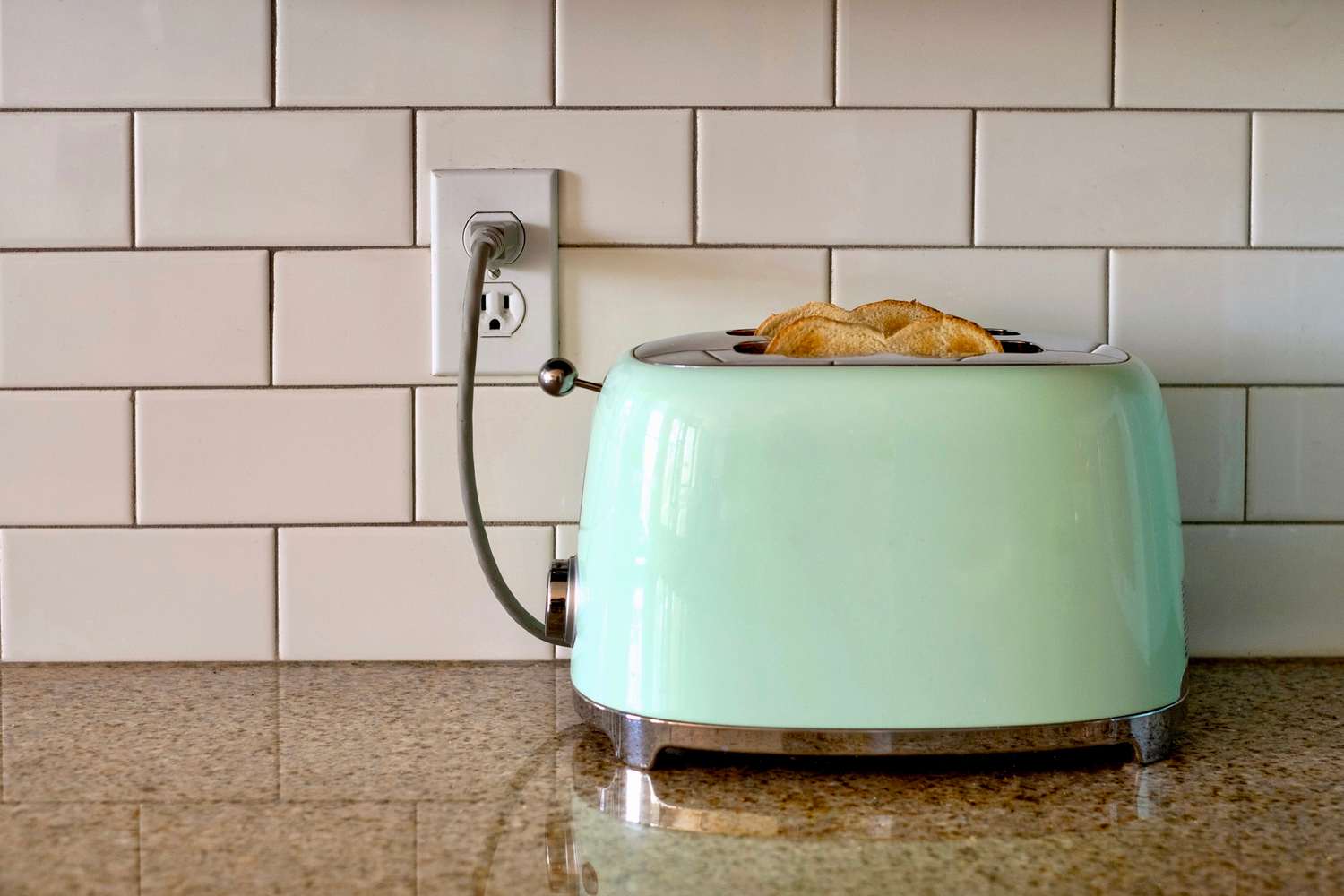
Electricians in Washington, D.C. charge $40 to $50 per hour for basic electrical tasks like installing an outlet.
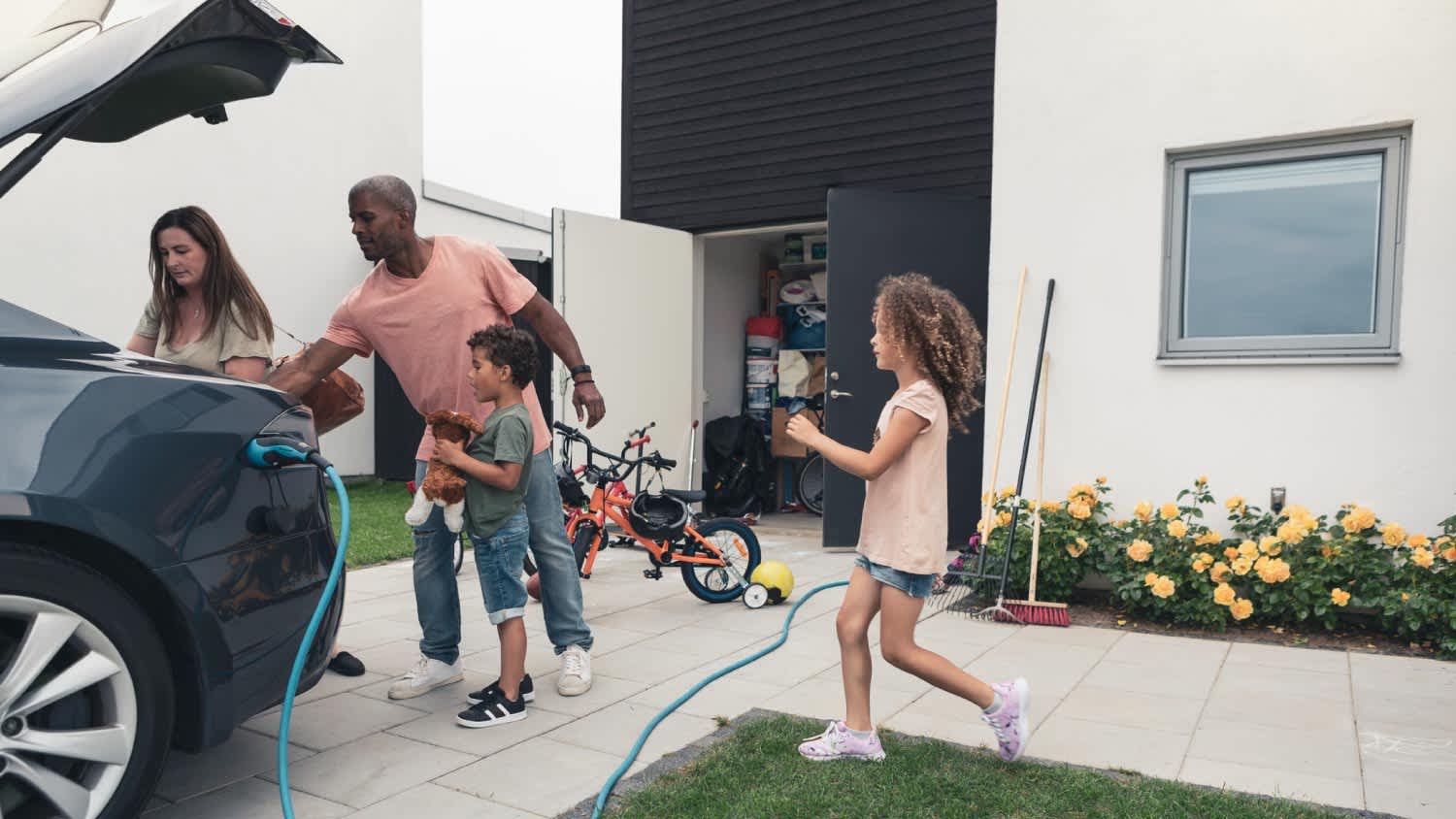
Thinking about an electrical vehicle charging station installation? Learn about charger levels, costs to expect, and how to hire the right local electrician.
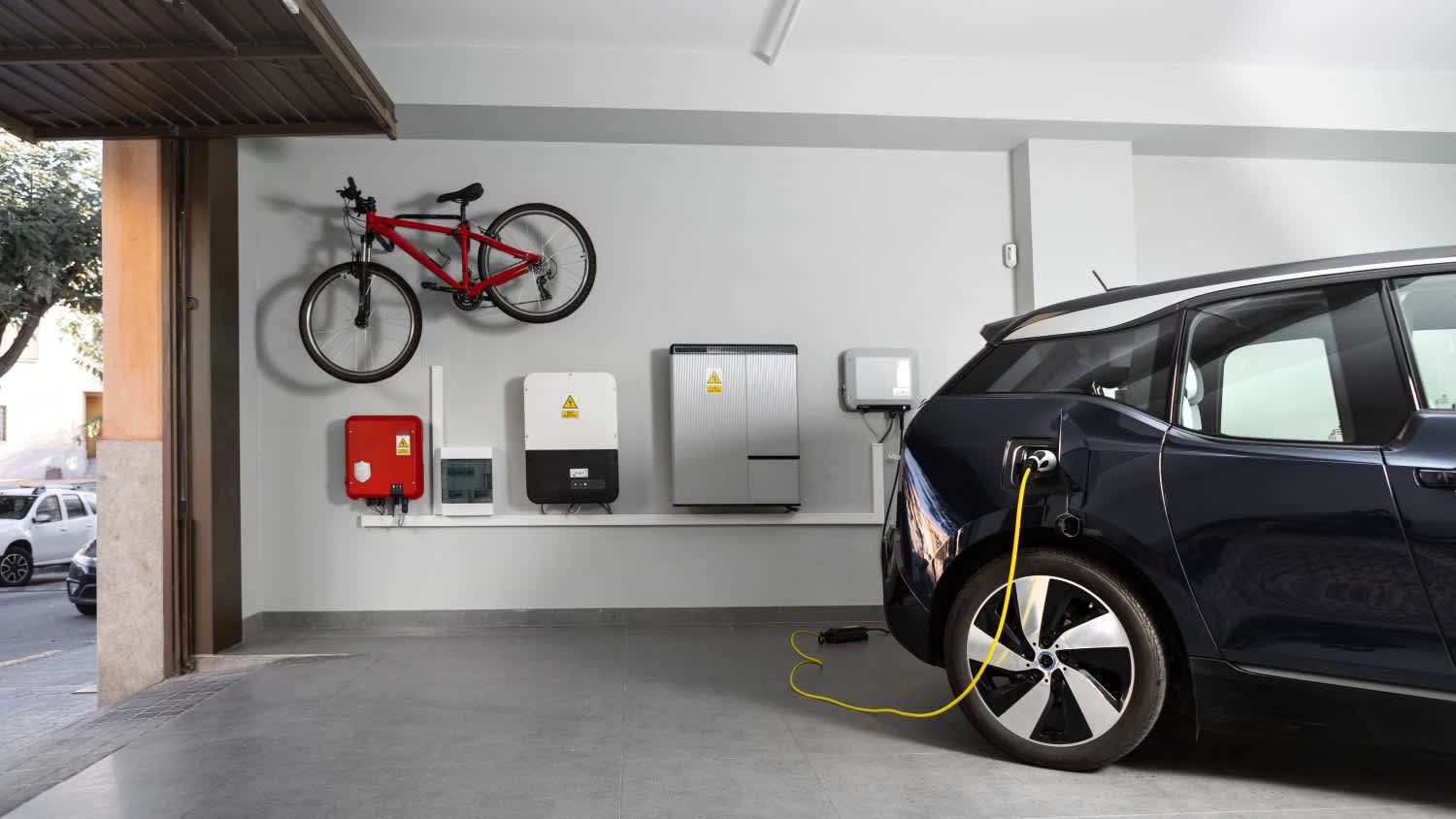
Finding a qualified electrician for EV charging station installation? Learn what credentials to verify, questions to ask, and how to hire the right pro.
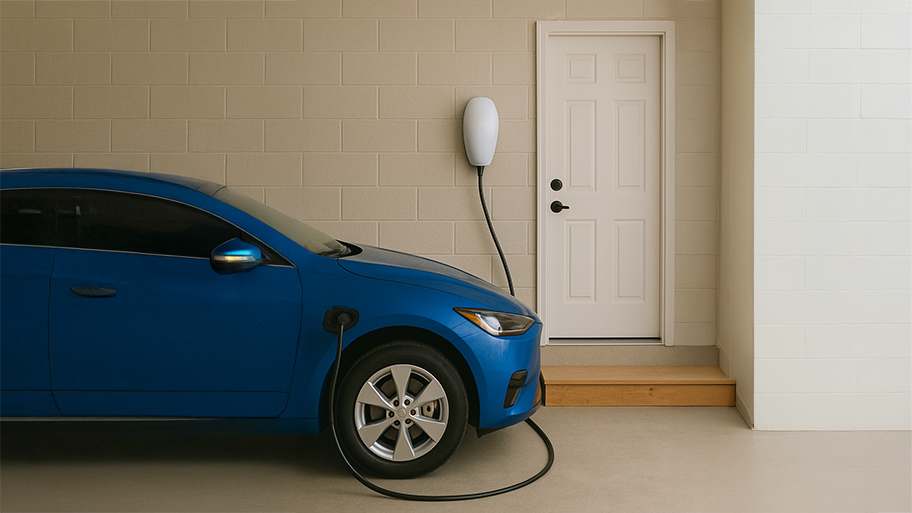
Explore the pros and cons of a Level 1 charging station versus a Level 2 charging station when deciding the best way to charge your electric car at home.