
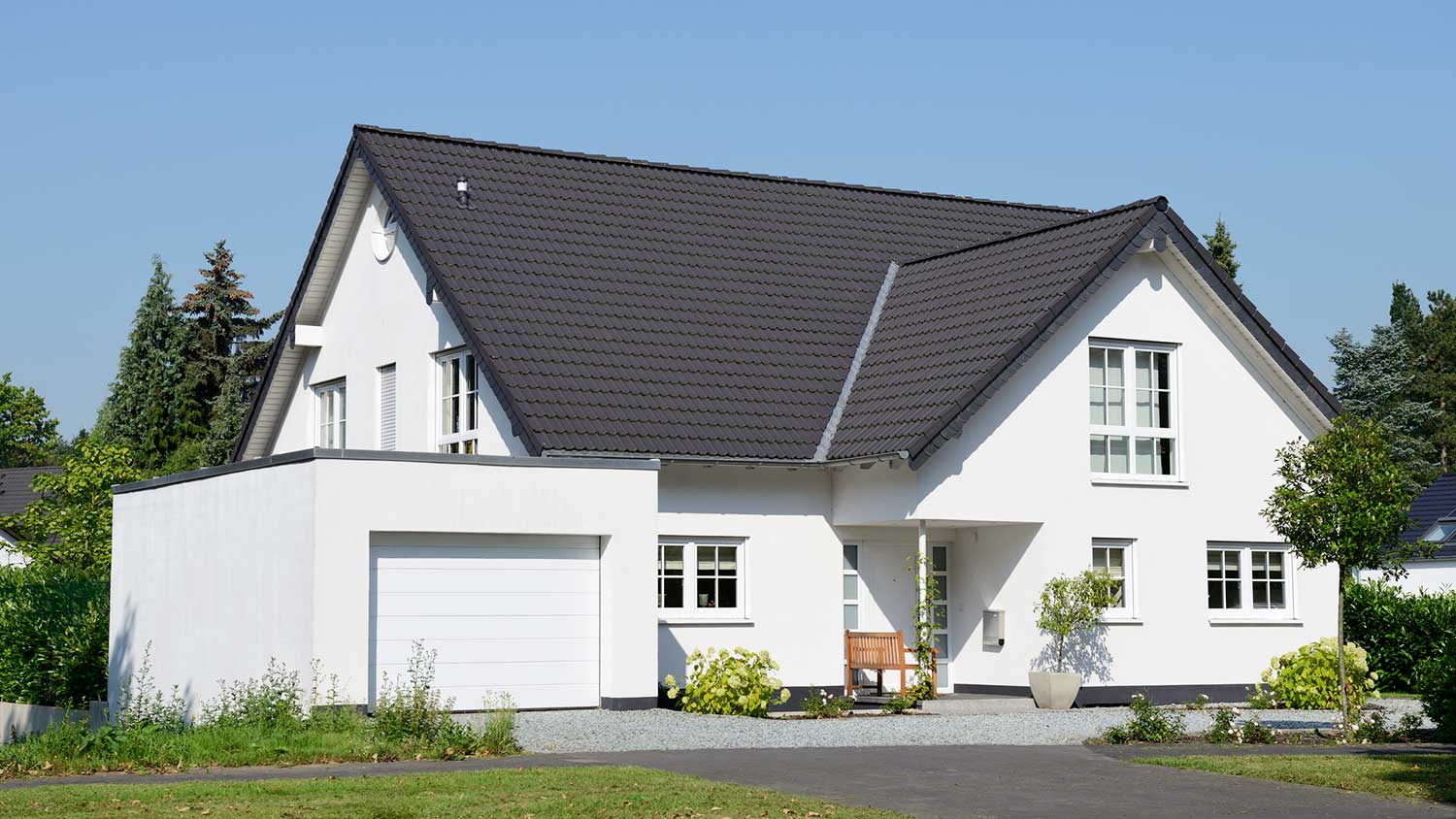
“Will a new roof lower my homeowner's insurance?” Find out the answer to this common question in our guide.
Neither hail nor wind nor flying debris shall penetrate impact-resistant roofs

Impact-resistant roofs withstand hail, wind, and debris better than standard materials, earning Class 4 durability ratings when they survive 2-inch steel balls dropped from 20 feet.
Expect to pay around $4,250 for hail damage roof repairs, but impact-resistant materials reduce your need for these costly fixes by preventing storm damage in the first place.
Your impact-resistant roof protects your home from severe weather, and some insurance companies offer discounts when you install Class 4 or Class 3 impact-resistant roofing materials.
Hiring a local emergency roofing professional provides reliable support when storm damage strikes, helping you assess whether impact-resistant materials suit your climate and home.
If you’re tired of products that don’t live up to their names, learning what an impact-resistant roof is should brighten your day. The impact-resistant roof does what it promises, resisting damage from hail, falling branches, and high wind. It’ll even stand up to the occasional stray golf ball if you live near a local golf course. We’ll discuss the pros and cons of installing an impact-resistant roof.
So, what is an impact-resistant roof? Impact-resistant roofing consists of materials with a design made to withstand damage. They can look like other common roofing materials, but they defy damage from storms better than traditional shingles. They can withstand hail stones from severe thunderstorms, debris from windstorms, and other items that may fall on your roof.

Do you need an impact-resistant roof? If you live in an area that often has severe storms, you will receive benefits versus a roof consisting of standard materials. You may even save money on your insurance premiums by installing this kind of roof. If you think your roof might be at risk during the next storm, call a local emergency roofer for an assessment.
Two testing organizations—Underwriters Laboratories and FM Approvals—provide durability ratings for all roofing materials, including impact-resistant materials. During testing, the organizations drop steel balls or ice balls onto the shingles from varying heights and then measure the damage.
Shingles come in four classes:
Class 1: Can withstand steel balls 1.25 inches in diameter from a height of 12 feet
Class 2: Can withstand steel balls 1.5 inches in diameter from a height of 15 feet
Class 3: Can withstand steel balls 1.75 inches in diameter from a height of 17 feet
Class 4: Can withstand steel balls 2 inches in diameter from a height of 20 feet
Shingles that receive a Class 4 designation are the most impact-resistant, while Class 1 is the least impact-resistant. To be considered impact-resistant, the roofing materials must have a Class 4 designation, although some brands may market themselves as impact-resistant with a Class 3 designation.

Multiple kinds of materials can qualify for designation as an impact-resistant roof, including:
Asphalt shingles
Metal
Concrete
Plastic
Resin
Rubber
The most common impact-resistant roofing materials are either asphalt shingles or metal, although the other materials also deliver good results. Not all roofers are able to source or install every potential impact-resistant roof material.
Although the impact-resistant roof is able to stand up to hail and other types of damage, it does carry a higher cost than standard roofing materials. Here are the pros and cons of an impact-resistant roof.
| Pros | Cons |
|---|---|
| Limits storm damage | Costlier up front |
| Protects from leaks | Some design limits |
| Lower insurance cost | Heavier materials |
| Fewer repairs needed | Tougher to install |
You’ll often pay a premium of 10% to 20% for impact-resistant asphalt shingles versus standard shingles. You also could choose to install a metal roof, which is a naturally impact-resistant material. However, metal roofs cost more than asphalt roofs for the materials and installation.
If you have a home or business property insurance policy with a high deductible, your impact-resistant roof may survive a hail storm that other roofs don’t. This means you don’t need to replace it and can save the deductible amount.
The Insurance Institute for Business & Home Safety estimates people who live in areas with frequent thunderstorms must replace their shingle roofs an average of every seven to 10 years because of storm damage. Without damage, a shingle roof’s average life span is about 25 to 30 years. Having an impact-resistant roof could save you from having to pay the deductible once or twice every roughly 30 years.
If you don’t live in an area that has hail storms, though, the extra cost of the impact-resistant roof probably isn’t worth it. A local roofing company can advise on what the impact-resistant roof will cost to install and whether these materials are a good value for your location.
Impact-resistant shingles are more expensive than standard ones, but they’re often worth the added investment if you live in an area that sees extreme weather. You can expect to pay between 10% and 20% more for the materials, but you stand to avoid expensive roof damage over the life of the product.
When you consider the average cost to repair hail damage on a roof—around $4,250—it’s easy to see how paying more up front for your shingles can save you money. You’ll be less likely to need roof repairs or a full roof replacement after hail damage or another severe weather event.
Mitchell and the crew were top tier i am so happy with my new roof
 Home Genius Exteriors
D1 Roofing delivers outstanding service from beginning to end, backed by a strong warranty and expert teams. I highly recommend them for their excellence in meeting and surpassing expectations with unmatched communication. Choosing D1 Roofing was flawless decision
 Division 1 Roofing LLC
This place took $25,000 for a flat roof job with a five-year warranty and never returned to fix the leaks that were caused by their work. These people are not professionals and should not be doing this type of work. They incorrectly changed the pitch of the roof, and caused more damage than...
The technician was very professional and friendly. He answered all my questions and was very thorough. He left the fireplace area very clean . He inspected from the roof and advised me as to other work that might need to be done. There was no pressure there. I was very satisfied with the...
 Supreme brick & chimney
I am really impressed with their timeliness and turnaround. Mitchell came out, and we decided to move forward with their pricing. Our roof was on within a week, and we could not be happier with their team! Amazing company, great prices and honest, dependable craftsmanship. I highly recommend...
 Window Depot USA of Central Ohio
Manuel Calvillo is the best option in the area for roofing and you won't be disappointed.
They damaged multiple items on my property, including a marble slab used as a table top, tried to hide it, and refused to pay or replace. Arrived day one without a ladder to access roof & delayed a day. Left a mess in back yard; didn't wear face masks; no show by owner to property to see damages
 Grants Tree Service
I've hired Gary/Cherokee Roofing for two different homes, work quality, responsiveness, and completion have been great both times. And the prices quoted were very competitive. I would definitely hire again.
Lyle did a great job removing asbestos shingles from our front porch roof. They worked together with our roofer to make sure that the new roof was able to be installed on the same day that Lyle removed the asbestos shingles.
 Lyle Environmental
Bradley Builders did a good job replacing the roof on our front porch. They color-matched the existing shingles on the rest of the house and installed a metal ridge roll since we live in a historical neighborhood. They did the job while we were out of town. When we got back, everything was...
 Bradley Builders, Inc.
From average costs to expert advice, get all the answers you need to get your job done.
“Will a new roof lower my homeowner's insurance?” Find out the answer to this common question in our guide.
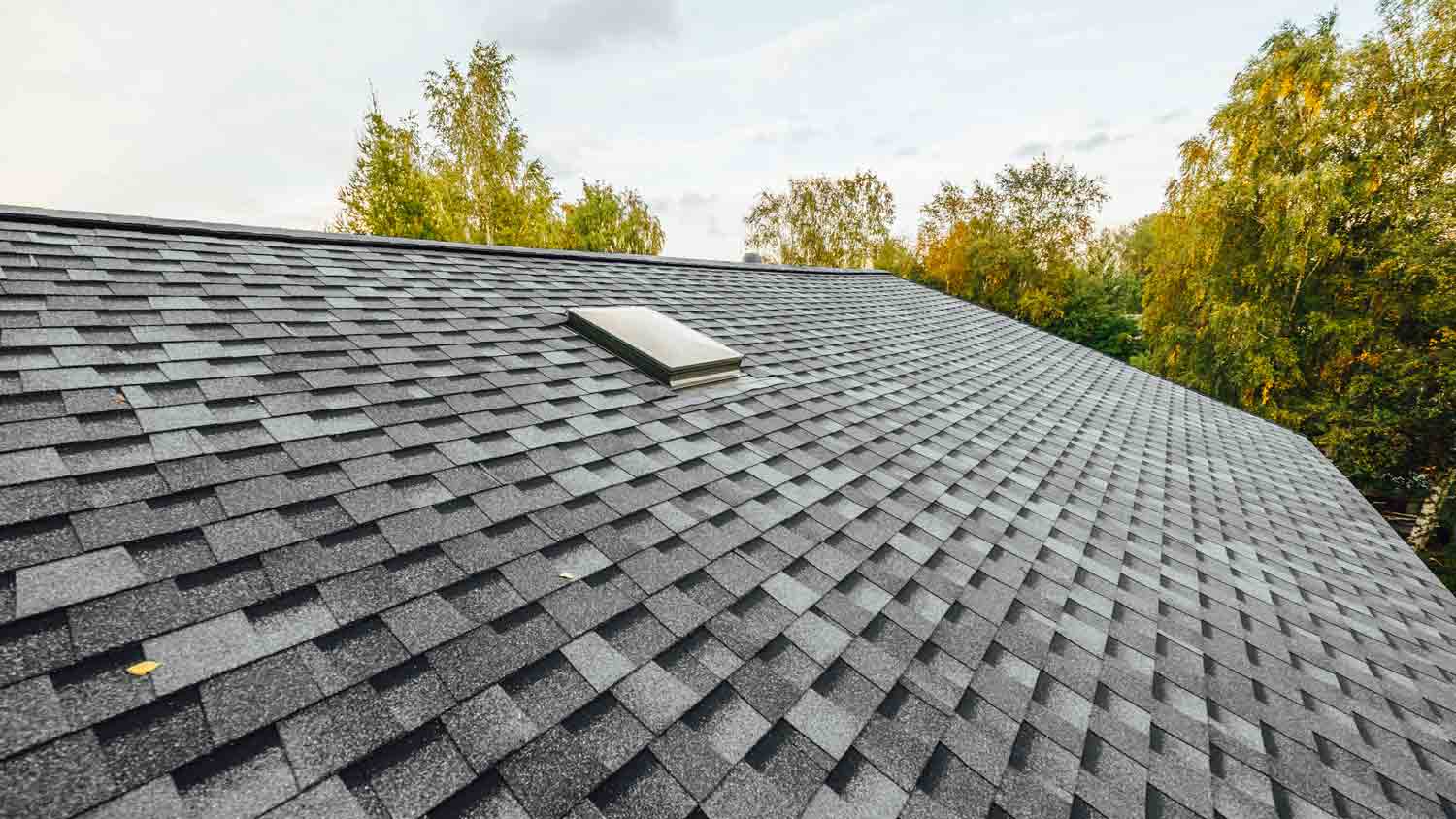
Impact-resistant shingles protect from blown debris, hail, and strong winds. In areas prone to extreme weather, they’re worth the added cost.
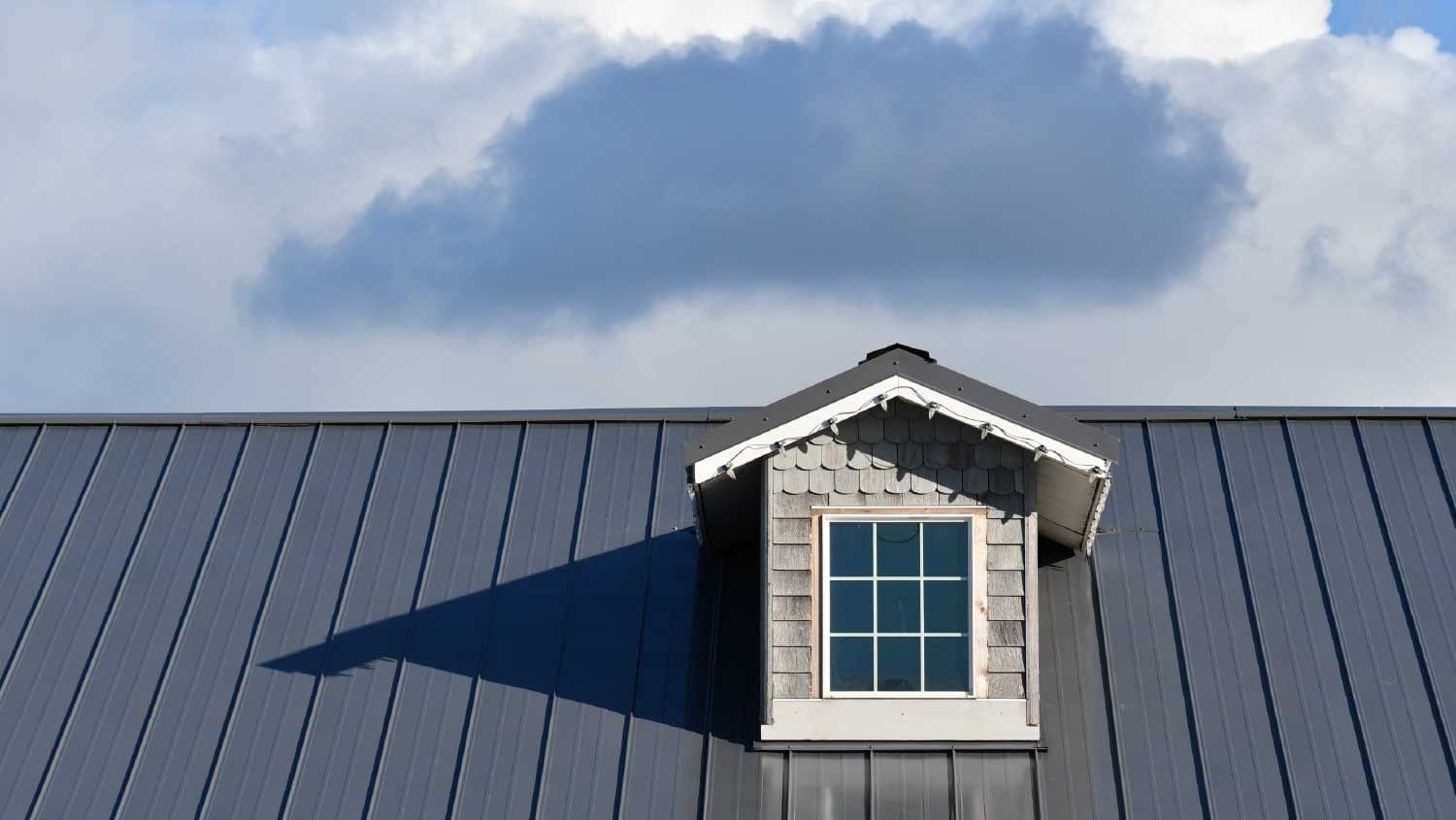
A metal roof protects your home from the elements and may even lower your insurance costs. Learn why installing a metal roof could save you money on insurance.
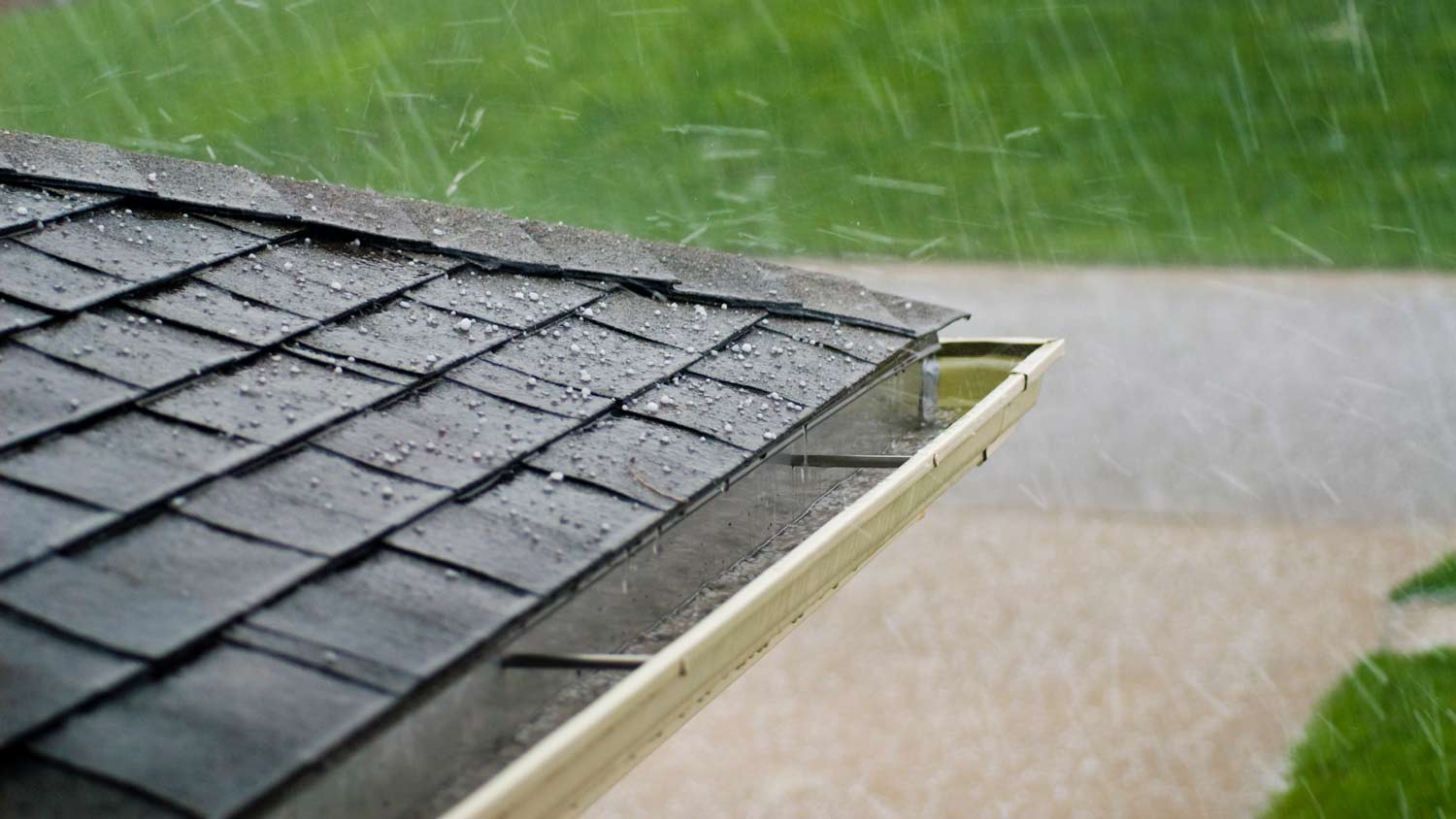
Looking for the right roofing product to avoid wind damage? Learn about the best shingles for high winds and which is right for your specific property.
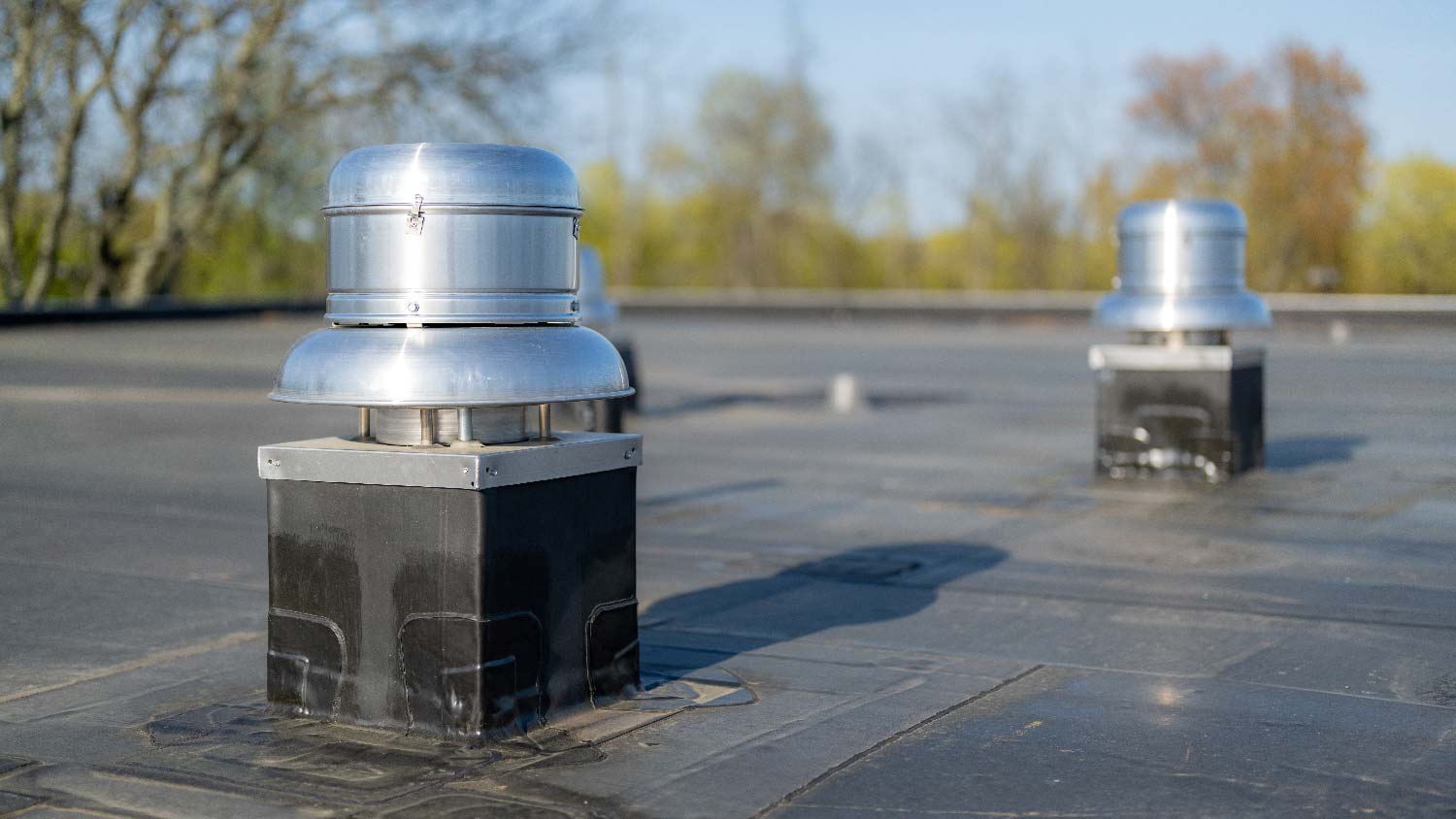
EPDM roofing is one of many options for flat or low-sloped roofs. Learn about the pros and cons of EPDM roofing and whether it’s the right option for you.
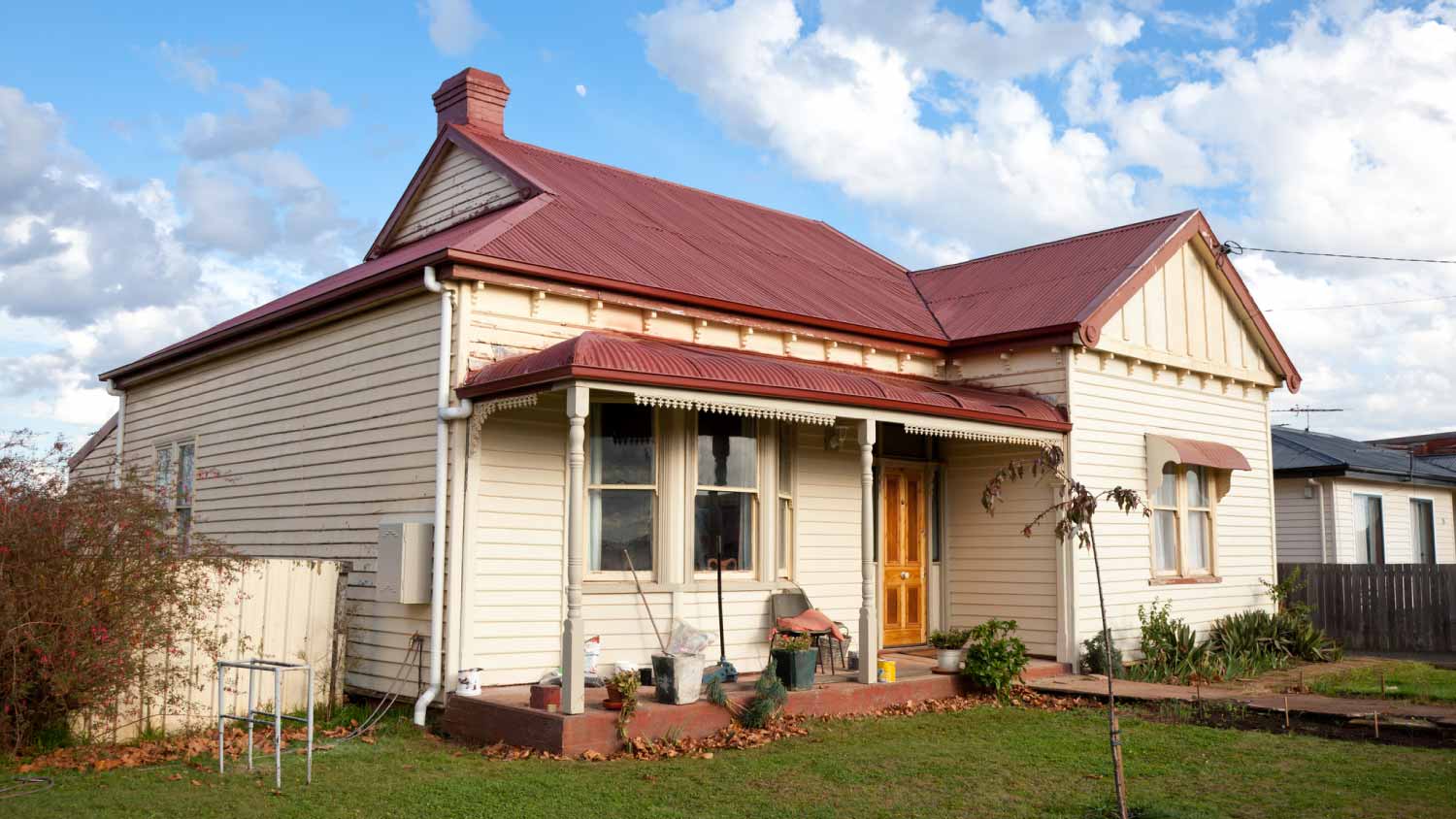
Hail is small but mighty. Is your metal roof strong enough to withstand extreme weather conditions, like a hailstorm? Here’s everything you need to know.