
How much is a gallon of paint? Whether latex or oil-based, spray paint, primer, shellac, or lacquer, we’ll tell you what price to expect.
Shake and spray like a pro

Spray painting like a professional requires proper technique, including holding the can 6 to 8 inches from your surface and applying consistent pressure throughout each stroke.
Your spray paint project needs adequate ventilation to prevent dizziness and nausea from fumes, so work outdoors or open windows and use fans to circulate air indoors.
Applying three thin coats of spray paint gives you better results than one heavy coat, which can drip or crack as it dries on your project.
Hiring a local wall painting professional provides expert help with surface preparation, primer selection, and achieving smooth, even coverage for larger projects or detailed finishes.
If you’ve been thinking about jazzing up that vintage mirror for a while and sprucing up those armchairs, spray paint can be the key. While spray painting takes some know-how, it can bring life to so many items in your home. Taking the time to learn these spray painting tips will cut your time (and money!) in half and make room for more exciting spray painting home projects.

First off, you’ll need to figure out what kind of spray cans you’ll need for your project and what materials you will be working with. Visiting your local hardware store will help get all your questions answered so you’re coming home with the right products.
For example, you’ll want to know how much primer to use and if you’ll need sealant when finishing up your paint job. Not all stores carry a large selection of colors and metallics but they can often order them for you if they are not available.
As with any paint job, you should always work in a well-ventilated area. You can take your items outside to paint or if you decide to stay indoors open all your windows and bring in fans to keep the air circulating. Not only does it allow your spray paint to dry faster, but it prevents you from inhaling paint fumes, which can cause dizziness and nausea. Wearing a mask is key when working with spray paint.

Before you begin to paint, you’ll need to clean, scrub, and sand the surface you’ll be working with. Look for dust, particles, and rust that needs to be removed with a brush. After that, wipe away any excess debris with a cloth. If you’ve used any cleaning spray or water, make sure it dries completely before adding your spray paint.
There are several things you can purchase in order to protect your furniture, walls, and floors. A canvas drop cloth is reusable and handy to have but there are also plastic covers available. Cardboard and newspapers can also be an option if you already have those at home, but they tend to get a bit messier and have the potential to bleed through, so several layers are necessary. Don’t forget to cover up doorknobs with painter’s tape and remove light switches if you’re spraying close to your doors.
If you get spray paint on an unintended surface, there are ways to remove spray paint when you clean up your work area.

Depending on what you are painting, you may or may not need a primer, though it is strongly recommended. A primer helps the paint go on smoothly and allows for an even finish complete coverage. Not priming first can result in needing extra coats of spray paint to get a good finish. Always read labels before starting any project as the primer may not be compatible with the type of spray you are using.
No matter how big or small the project is, test the nozzle before you start. You can do this by spraying onto your dropcloth, a piece of cardboard, or a patch of wall you’ll cover later. This is important not only to make sure that the nozzle doesn’t sputter but also to practice your spraying technique.

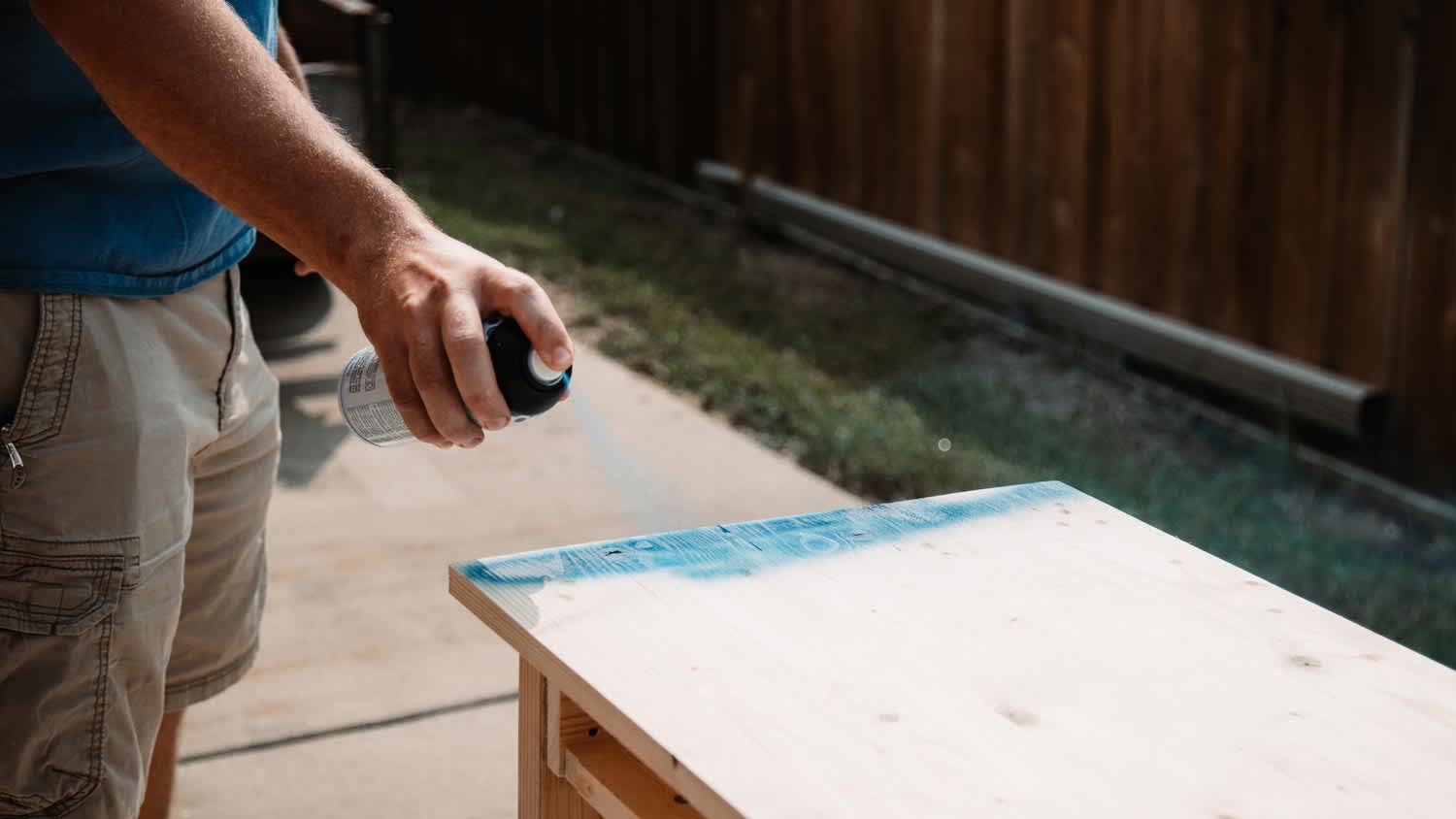
The ideal distance between the object and your spray paint is about 6 to 8 inches. You’ll want to apply the same pressure on the nozzle throughout as well as work the same speed with every line you paint. Any extra pressure or slower stroke can result in blotches that will need to be covered up. Don’t forget to pause and shake the can between strokes to get that even gloss.

A good spray paint job requires about three coats of paint. Several thin coats are much better than one heavy coat as that can cause the paint to drip or crack while it’s trying to dry.
When spray painting, do left and right strokes first followed by top and bottom. Make sure to slightly overlap the strokes to avoid striping. Once you apply the first coat, wait about 10 minutes before applying the next. All three layers should be done within the hour. Once you are done painting, let it dry completely for 24 to 48 hours.
Custom Paint Jobs LLC is the go-to choice for all your painting needs. They painted both the interior and exterior of my house flawlessly. Their work speaks for itself!
 Custom Paint Jobs, LLC
Beginning with the estimate, Larry and Peyton were super helpful in getting my new condo's interior re-painted. Not only was the job well done, but also done in a super timely manner as promised.
 Five Star Painting of Plain City and Powell
From average costs to expert advice, get all the answers you need to get your job done.
How much is a gallon of paint? Whether latex or oil-based, spray paint, primer, shellac, or lacquer, we’ll tell you what price to expect.
These helpful tips can teach you how to remove spray paint from practically any surface, including skin, stone, plastic, glass, and fabric.
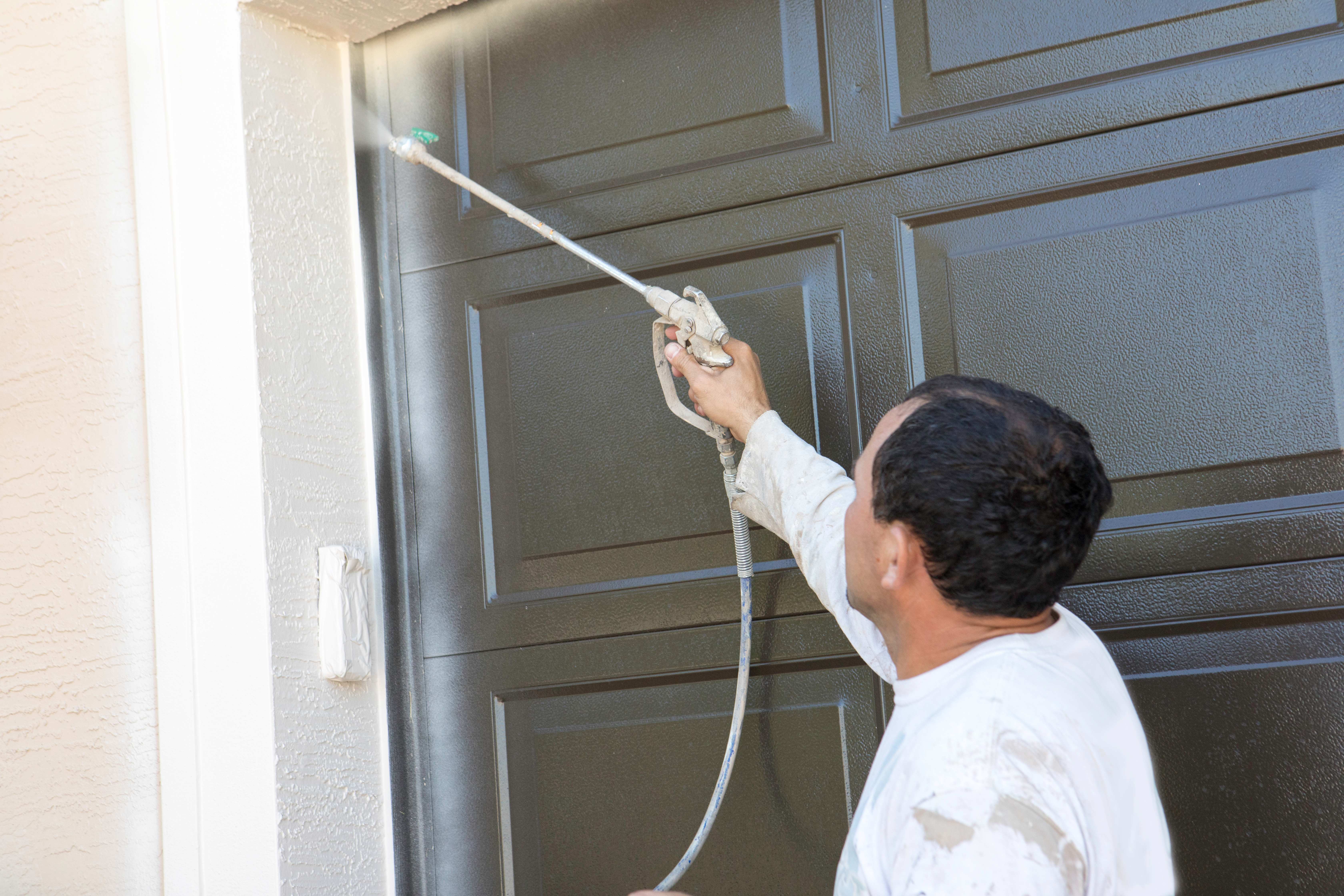
These top tips for spray painting and paint sprayer application help safely secure a smooth, long-lasting finish when covering furniture or walls.
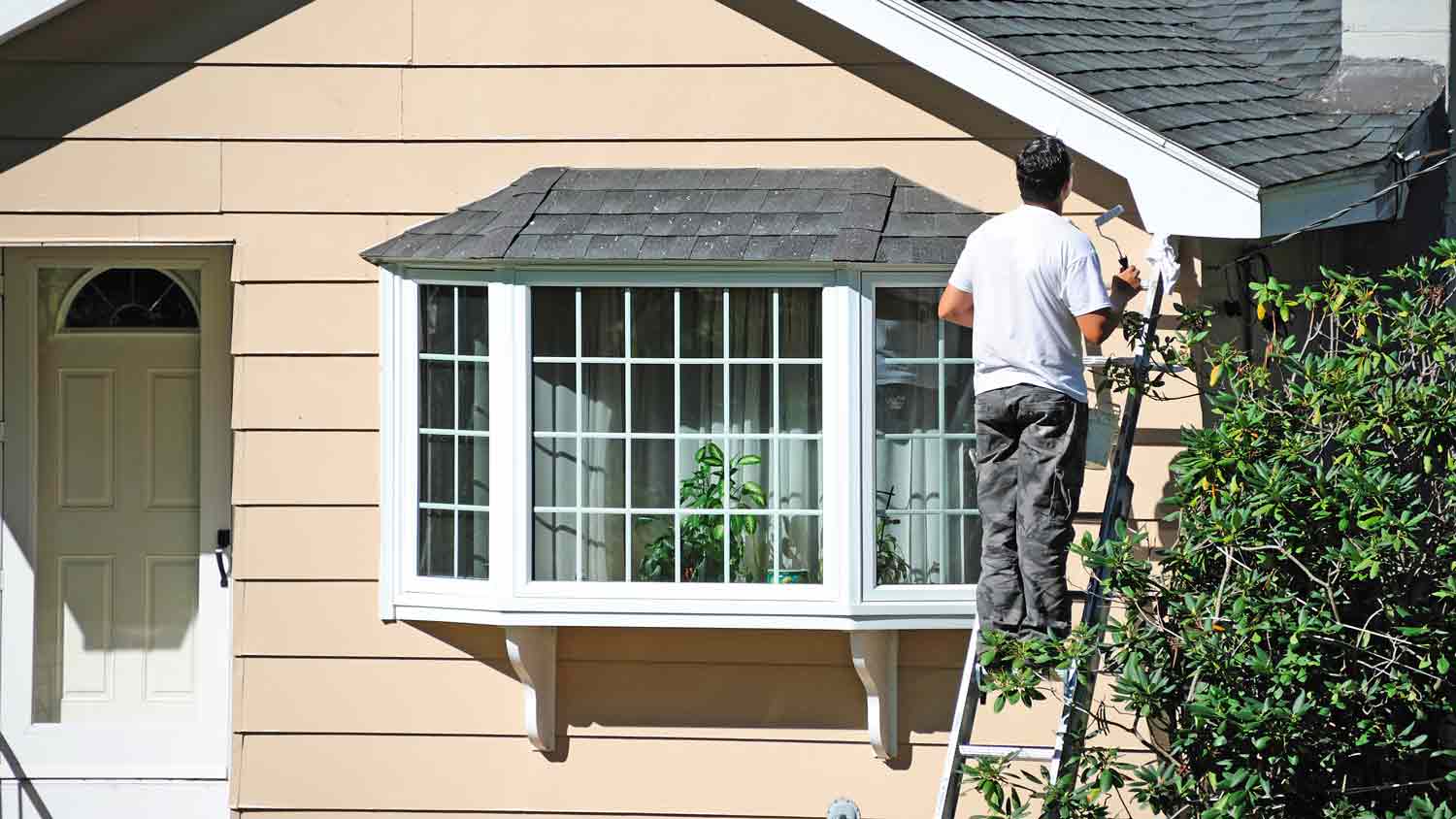
The truth to the question, “Is it better to spray or roll on exterior paint?” is that both have pros and cons, but a few factors will help you decide on one.
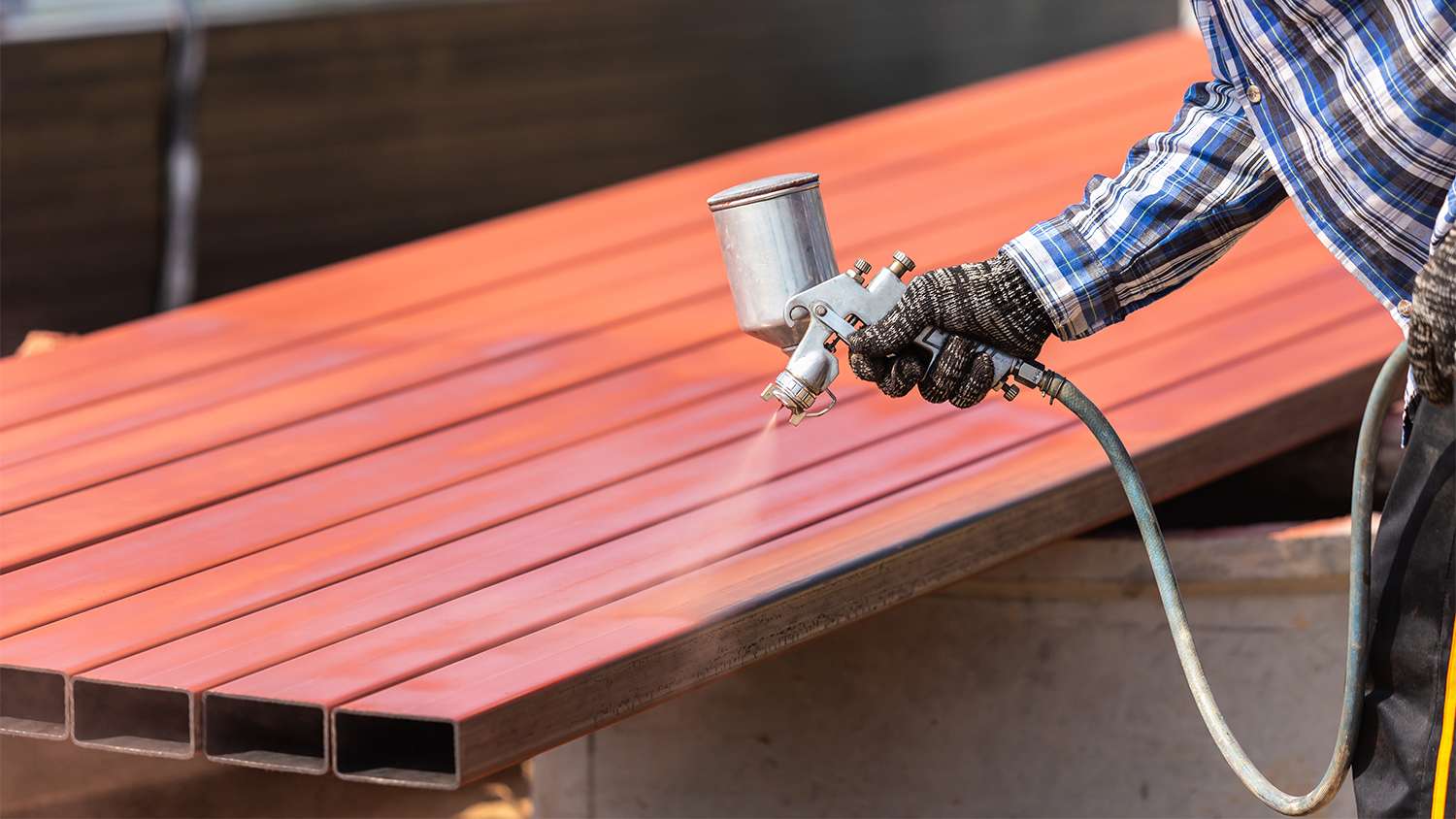
For painting car parts and other metal surfaces, powder coat spray paint is often the way to go thanks to its durability and environmentally-friendly factors.
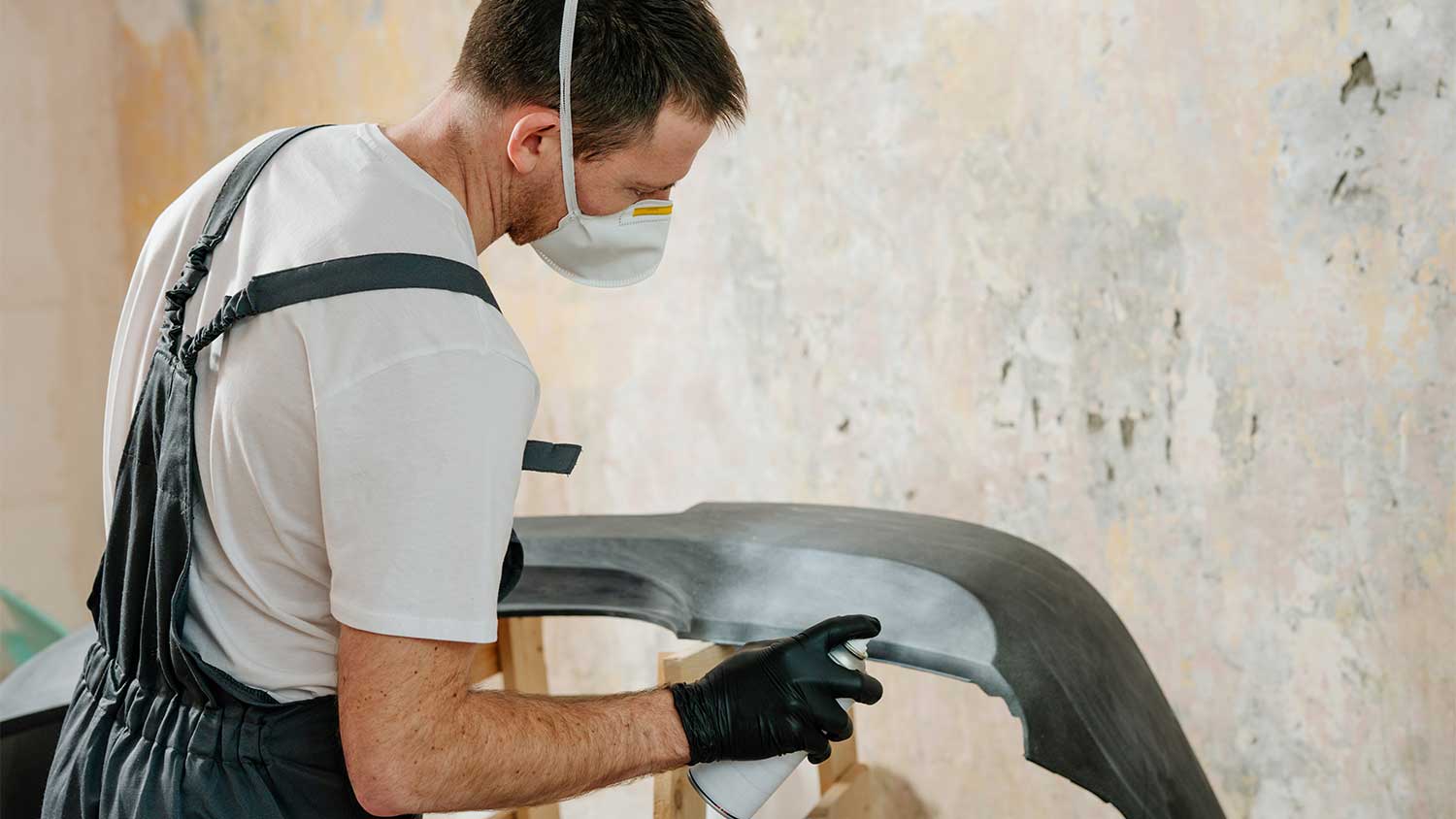
How long spray paint takes to dry depends on the type of paint, the surface, the climate, and more. Keep reading to discover your spray paint’s dry time.