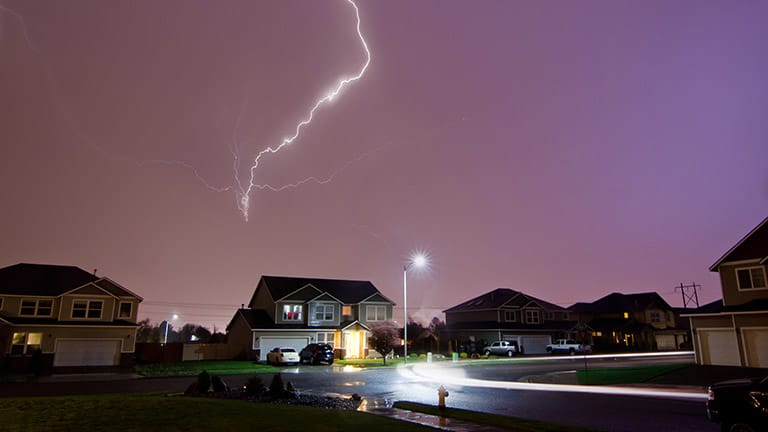
If you live in a storm-prone area, you might have wondered how much a lightning protection system costs. Explore a comprehensive breakdown here.
Protect your home from lightning strikes by hiring the right certified professional

Certified lightning protection specialists design and install a system that shields your home from lightning strikes, using nationally recognized safety requirements.
Expect to pay $450 to $2,680 for professional lightning protection system installation, with average costs around $1,555 depending on your property's size and complexity.
Your system needs proper grounding and UL-listed components, plus routine inspections, so it works correctly and protects your home during storms.
Hiring a local electrical professional ensures your lightning protection system meets certification requirements and integrates safely with your home's electrical service and surge protection.
This article was created using automation technology and thoroughly fact-checked and edited by an Angi Editor in accordance with our AI policy.
When you need to hire a lightning protection system installation pro, you're looking for specialized contractors certified by the Lightning Protection Institute (LPI) who design, install, and maintain systems that shield your home from lightning strikes. These professionals are experts in installing lightning rods, conductors, grounding systems, and surge protection devices in accordance with NFPA and UL standards.
Lightning protection installation is a specialty trade that requires specific training and certification—it falls outside the expertise of general electricians, roofers, or general contractors. This lightning protection system installation pro hiring guide will help you find qualified specialists for your project.
Lightning protection system installation professionals provide comprehensive services from initial risk assessment through ongoing maintenance. These specialized contractors design customized systems, install all components according to national safety standards, and conduct regular inspections to ensure your protection remains effective. They work closely with engineers, architects, and construction teams to develop solutions tailored to your property's unique requirements.
Their services include:
Complete lightning protection system design and installation
Risk assessment for your property's lightning vulnerability
Air terminal and lightning rod placement
Down conductor routing and secure attachment
Grounding system installation with proper depth
Surge protection device installation and integration
Third-party inspection coordination and certification services
Regular maintenance inspections and system testing
Repair services for damaged or corroded components
System upgrades to meet current safety standards
The cost to hire a lightning protection system installation pro ranges from $450 to $2,680, with homeowners paying $1,555 on average. Several factors influence your final investment, including your structure's size, geographic location, construction materials, roof complexity, and soil conditions that affect grounding effectiveness.
Lightning protection systems are wallet-friendly compared to other building systems like security installations, plumbing, or generators—you'll spend less than 1% of your structure's value. Installing the system during new construction saves money, while retrofitting an existing home costs slightly more.
Proper planning before contacting a lightning protection system installation pro ensures you get accurate quotes, find qualified specialists, and achieve a system that truly protects your home. Taking time to understand your project requirements, verify contractor credentials, and compare multiple quotes will protect you from poorly installed systems that may fail when you need them most. Let's walk through the essential steps to prepare for hiring the right professional.
Before reaching out to contractors, conduct a preliminary assessment of your property to help professionals provide accurate quotes. Consider factors that affect system design, including your building's height, location in relation to lightning strike frequency, structural materials, roof layout and complexity, and soil conditions that impact grounding effectiveness.
Document any special features like chimneys, satellite dishes, or rooftop equipment that need protection. Understanding whether you're installing during new construction or retrofitting an existing structure also affects timing and costs. This information helps contractors design a system tailored to your property's specific lightning protection needs.
Verifying your lightning protection contractor's credentials is critical because this specialized work requires specific certifications that most electricians and general contractors don't possess. Look for contractors who are Dealer/Contractor Members of the Lightning Protection Institute (LPI) and listed with Underwriters Laboratories Solutions (UL Solutions). The firm should employ at least one LPI Certified Master Installer who can design systems and attest that installations meet certification requirements.
Ask to see their LPI certification levels—Journeyman Installer (JI), Master Installer (MI), or Master Installer/Designer (MID)—and verify they understand NFPA 780, LPI-175, and UL 96A standards. Request references from past clients and ask to see portfolios of completed projects to confirm their experience with systems similar to your needs.
Don't settle for the first lightning protection specialist you find—interview at least three certified contractors to compare expertise, approaches, and pricing. Request detailed written estimates that break down all components, including air terminals, conductors, grounding systems, surge protection devices, and inspection/certification costs. Discussing your specific property conditions helps contractors provide accurate quotes rather than rough estimates.
During interviews, ensure you agree on critical project details before work begins:
Down payment amount and timing
Payment structure and schedule
Final payment terms and conditions
Project timeline and completion date
Specific deliverables and system specifications
Warranty coverage and terms
Maintenance requirements and inspection schedules
Third-party inspection and certification process
Asking the right questions during your initial consultation helps you identify qualified lightning protection specialists and avoid contractors who lack proper training or certification. These questions reveal whether the contractor understands industry standards, uses quality materials, follows proper installation procedures, and provides necessary documentation:
Are you certified by the Lightning Protection Institute (LPI) and at what level?
Are you listed with Underwriters Laboratories Solutions (UL Solutions)?
Do you employ LPI Certified Master Installers on your team?
Will you conduct a comprehensive risk assessment of my property before designing the system?
Do you use UL-listed materials that comply with NFPA 780, LPI-175, and UL 96A standards?
How will you address my property's specific soil conditions to achieve proper grounding?
Will the system be eligible for UL Master Label certification or LPI-IP certification?
Will you coordinate third-party inspection and provide all required documentation?
What warranties do you offer, and what ongoing maintenance will the system require?
Can you provide references from recent lightning protection system installations?
The answers you receive will help you compare contractors and make an informed decision about who to trust with protecting your home and family from lightning strikes.
Hiring the right lightning protection system installation pro is essential because improperly installed systems create a false sense of security—they may fail silently until a lightning strike causes catastrophic damage to your home. Only LPI-certified specialists have the training to design systems that meet NFPA 780 and UL 96A standards, ensuring your protection actually works when needed.
Because the system must be bonded to your electrical service and include whole-home surge protection, it’s wise to coordinate with an electrician near you so the integration is code-compliant and works seamlessly with your certified lightning protection installer. Professional installation provides warranties and maintenance support that DIY attempts cannot offer, and properly certified systems may qualify you for insurance discounts. The right contractor delivers a system proven 99% effective when properly installed and maintained, protecting your property investment and your family's safety.
Once your lightning protection system installation is complete, conduct a final walkthrough with your contractor to review all components and ensure you understand the system's operation and maintenance requirements. Verify you've received all essential documentation, including system design plans, materials lists proving UL-listed components, installation certificates confirming NFPA 780 and UL 96A compliance, third-party inspection reports, and your Master Label Certificate or Letter of Findings from UL Solutions or LPI-IP.
Make your final payment according to your agreed-upon terms, and keep all documentation organized for insurance purposes and future maintenance. If you're satisfied with the work, consider leaving an online review and agreeing to serve as a reference for the contractor—this helps other homeowners find qualified specialists for their lightning protection needs.
Custom Paint Jobs LLC gave our office a fresh new look. Clients love it!
 Custom Paint Jobs, LLC
Best painters in the Greater Columbus, Ohio area. Quality of work second to none and customer service is head above shoulders than everyone else. I cant wait to work on another project with Silvio and Team!
The Mosby team went above and beyond for my project. They not only installed my light fixture; they also worked through an old, wonky, and as it turns out incorrect wiring issue from the work of prior contractors. Professional, thorough, conscientious, and kind. Five star experience. Thank you!
 Mosby Electric
We had a 20+ year old landscape lighting system that needed replacement. Midwest Lightscapes worked with us to design a much improved lighting system, lighting the exterior of the house and the back yard. Installation of the 45 light system took one and one-half days, and went very smoothly....
 Midwest Lightscapes
Jeff was a consummate professional. Responsive, courteous, and focused on meeting our needs. I had a small project of installing and replacing two ceiling light fixtures. He responded to my Home Advisory inquiry within 24 hours and in a span of two weeks our light fixtures were installed. ...
For several months I was looking for somebody to tile a wall in my master bath and move lighting fixtures, and could not find anybody who was responsive. I contacted Rowe through Home Advisor and within days they came by to assess the job and provide an estimate. The cost was very...
 Rowe House Development
A team of 2 spent 5 hours, cleaning top to bottom (removed all light fixture and cleaned.... impressive!!!)
 Luzia's Cleaning
It went very well. I was able to select the color blocks I wanted and where they would be placed in the window. All of the employees were very pleasant and patient. The guys who installed the window arrived promptly, did their job, and there was nothing for me to clean up. The window looks...
 Innovate Home Org - Columbus Glass Block
The initial quoted price from a walk-through seemed high, but we discussed that the quote represented worst case scenario (re-wiring to two floors) and we were excited about the opportunity to have the work done in a timely manner with closing for fire safety reasons, etc. When the job was...
Charlie recommended a separate fan with new lighting to clear steam from the room better. Several weeks ago I contacted Charlie via email to ask about pricing and scheduling, after one follow up he did reply with cost and said it would be about two weeks before he could do the work. I replied...
 Settle Muter Electric
From average costs to expert advice, get all the answers you need to get your job done.
If you live in a storm-prone area, you might have wondered how much a lightning protection system costs. Explore a comprehensive breakdown here.
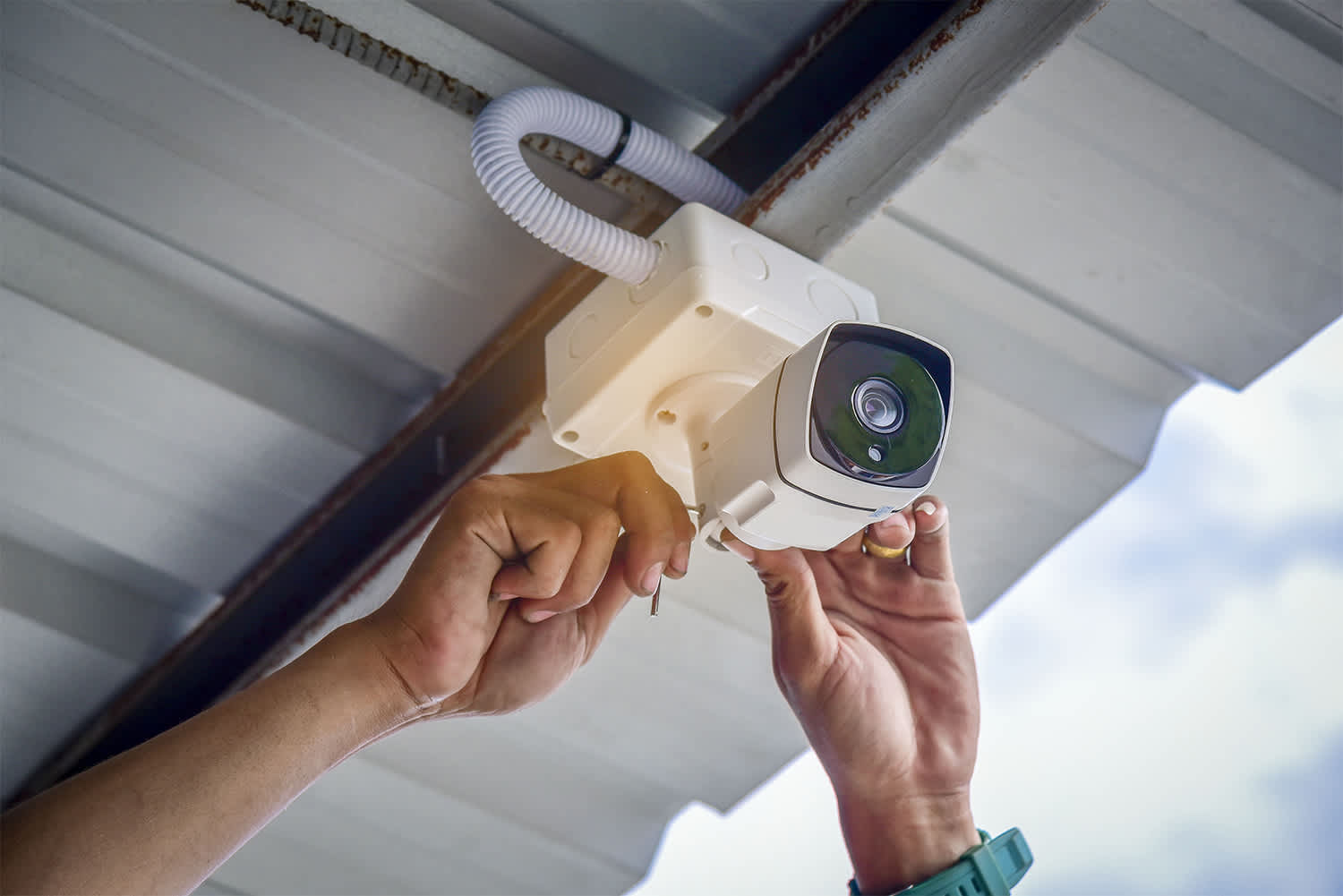
Feeling safe at home should always be a priority, and installing a new security system can help you do just that—no matter where you live.
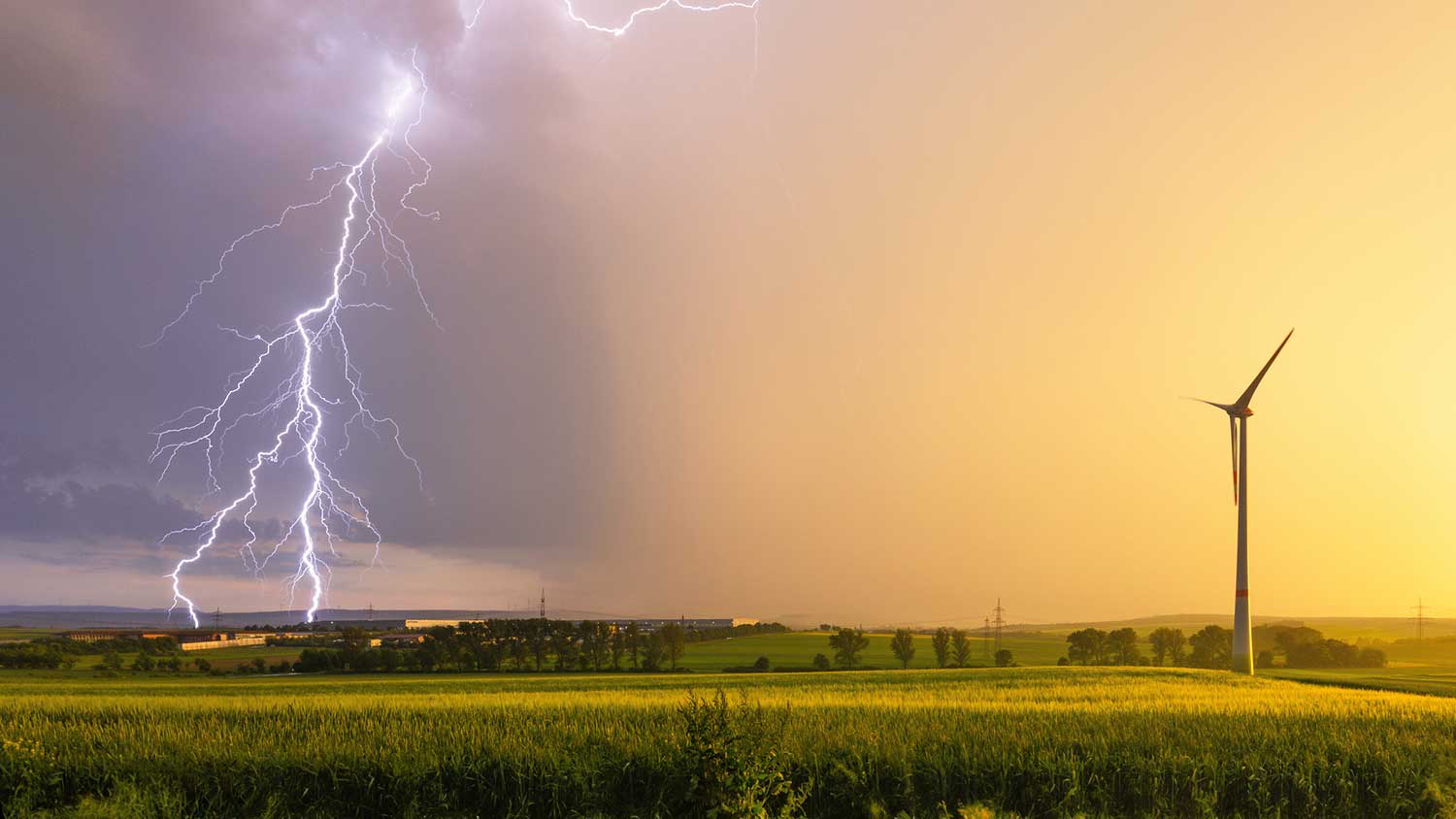
Learn who to hire for lightning protection services. See which pros handle design, installation, and certification—start here.
Lightning protection systems can keep your home and your family safer during storms. Read about different methods of lightning protection to stay safe.
Thinking about installing lightning protection? Learn about system components, costs to expect, and how to hire the right local pro to keep your home safe.

Do you need to protect your home from lightning strikes? Here are the lightning protection questions you can expect an electrician to ask.