
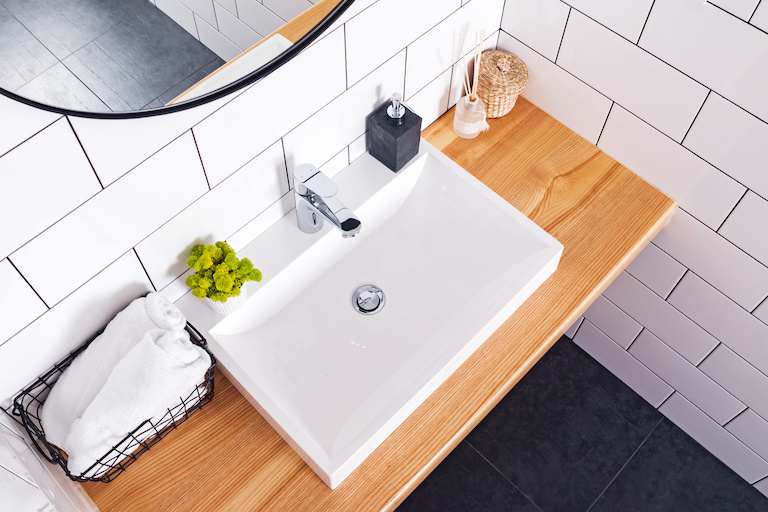
Getting something that fell down the sink drain can be frustrating, especially if it holds sentimental value. This step-by-step guide shows how to get something out of the sink without taking it apart.
Losing something doesn't have to mean losing your cool—here's how to find it quickly

When you're trying to find a lost item, staying calm helps you think clearly and remember where you last saw or used it.
Hiring a professional organizer costs $55 to $100 per hour or about $500 on average to help declutter your home and create systems.
Retracing your steps mentally or checking where you last used the item helps you find lost items more quickly than searching randomly.
Hiring a local home organizing professional creates built-in systems that keep important items easy to find, even during rushed or stressful moments.
We've all been there: You're about to head out the door, when lo and behold, your car keys are gone. Even the most organized people with the most organized homes misplace things from time to time. However, there are tricks to knowing how to find something you lost—it may take a few deep breaths and a game plan. Here are 11 tricks to finding something you lost, even in a hurry.
Quite often, the real trick to remembering something you lost is a calm mind. We know: Hearing that you need to calm down is the last thing you need right now. But a clear head may be the only thing that will help you remember the item’s location.
Before you launch into your search:
Take three deep breaths exactly where you are.
Focus on the moment and try to temporarily block out other distractions.
Try to push away unhelpful thoughts that the item is gone forever.
Avoid self-blaming—frustration will only create distractions.
Remember the theory of Occam's Razor—the simplest explanation is often the correct one.
Envision the item back in your hand, safe and sound.
Losing things is stressful, but extreme stress will only delay you in finding them. If you need to replace the item down the line, that's a later problem and one you can figure out if or when it's necessary. As for now, let's get looking.
Yes, it may sound silly, but when moving quickly, it’s easy to miss something that’s been in its proper place all along. Begin your search by returning to the place where the item was supposed to be.
For example, when organizing your bedroom, perhaps you designated an over-the-door rack for sweaters and purses. Move through the items on the rack one more time, slowly and steadily, to check that the item is not tucked behind something. If it is not where it should be, check off this box confidently and move on.
Do you like to take your rings off at your work-from-home desk? Does your cat like to shuffle your keys off the table and onto the floor? Have you left your key in the door before? Move on to looking at the next most obvious spot. If the item got lost in that spot before, there is a chance it will be there again.
Did you know that walking backward can boost your short-term memory? According to Harvard Health, walking backward or imagining you're walking backward—probably more ideal if you're in a hurry—can help you find lost items.
Hit rewind on your brain to the point when you last held your item. Moving visually in your mind through what you saw, did, and said can remind you where you set the object. Remember that you were likely distracted when you put the item down, so don't worry if you can't remember the full details right away.
While this may sound similar to retracing your steps, the trick can jog your memory in a new way. Did you text someone a funny meme 10 minutes ago and then lost your phone? How about putting on your reading glasses to read a recipe in the kitchen? The trick can also work with items that go outside, such as car keys. Head back to the car and double-check that your keys, wallet, phone, or sunglasses didn't fall between small spaces or on the ground in transit from one spot to the next.
Seating areas are prime places where lost items turn up. Here are some areas to investigate:
In between and around couch cushions
Behind the throw pillows
On side tables, coffee tables, or the dining room table
Under couches, chairs, and around dining chairs
Surrounding an eat-in-kitchen area, including under and around stools
Front and back porch seating areas
Tucked into throw blankets
Whether you're on the hunt for a buzzing phone or hoping your necklace will jangle to the ground when you shake out the bed sheets, silence can be key to finding something you lost. Additionally, the steady stillness that comes from trying to stay silent can calm your mind enough to think more clearly and catch any sounds that could give you a clue of its whereabouts.
Small changes to the scenery can provide a new perspective, especially if you dropped something in a shadowy spot. Pop on all the lights and open the curtains in the room where you believe you lost the item and revisit the areas where you began.
If you have more time to find the item in question, basic and mindful straightening can be the key to locating it. Start with simple decluttering tips as you move from room to room. Collecting piles and putting things back in their drawers or storage bins is a great way to look without looking—another great way to take the stress off of finding it.
It's easy to drive ourselves crazy when figuring out how to find a lost item, especially one that's important to us. Call a friend or family member to recruit others to join the hunt. They will be able to look at the original spots with a fresh set of eyes—and maybe even remember clues about where you last left it.
When you reach the point where it's quite clear the item is not inside the house, expand your search area. Call the deli, gym, or bank where you went before you lost your item to ensure it's not sitting in their lost-and-found bin. Even if it's not there, you can now rule that spot out.
Hopefully, your lost item is something you can temporarily live without or you have a spare on hand. If this is the case—finger's crossed—move through the regular motions of your day. Not only will this bring you back to your frequently visiting spots in the house, but it can jog a memory about something you did earlier that day.
If it’s an item you need as soon as possible, like your driver’s license or your wallet, make plans to quickly replace everything you need.
In a perfect world, we'd all know where everything was at every moment, but that's not how life goes. The best we can do is organize our homes and build habits that account for rushed moments, stressful days, and, well, gravity.
Designate a hook, dish, or spot on a shelf for your daily essentials.
Announce—yes, out loud—where you are placing your keys, wallet, or phone when you walk in the door. Creating this memory will make you more present when putting it down.
Declutter your closet so important items are easier to find and return in a hurry.
Invest in a smart tracking device for items such as keys, wallet, and purse.
If you consistently lose the same items, make a note on paper or in your phone when you place it down each day.
Keep kitchen counters clear by decluttering the room and other high-use areas.
Write an inventory list for storage boxes, space-saver bags, and file cabinets.
Schedule a nightly check-in with all the items you need the next morning.
Separate naturally cluttered areas—such as when organizing pantries—into containers and storage bins.
If you're living life with the constant assumption that you won't be able to find anything in your home, there may be a bigger issue afoot. Organizing a home is complicated, which is exactly why you can hire a professional organizer with expert knowledge on how to streamline your home's setup.
Hiring a professional organizer is a great way to declutter your house, donate items that could do better elsewhere, manage important paperwork, and create built-in organizational systems that simplify your day. The cost of professional organizers tends to range from $55 to $100 an hour or about $500 on average.
I had FabClean 614 clean my apartment, and she did an outstanding job. She was so professional and efficient. My apartment looks absolutely spotless every surface, every corner, all cleaned to perfection. Definitely highly recommend FabClean 614 if you're looking for top-notch cleaning...
 Fab Clean 614
Best cleaning I've had at my property
Fantastic group, very communicative, and they really did a great job cleaning my condo. Will be hiring them for recurring cleaning!
 eMaids of Northern Columbus
Ace Fireplace Services' chimney sweep service is truly exceptional. They used advanced technology to ensure a thorough cleaning process, and my chimney has never looked better. I highly recommend their services.
 Ace Fireplace Services
100% satisfied with the work done by Supreme Brick & Chimney. Josh responded to my Angi request very quickly and squeezed our house into his schedule only a couple business days out. The chimney cleaning process was extremely clean with ZERO dirt going anywhere besides in Josh's vacuum. Very...
 Supreme brick & chimney
Excellent the crew was great did what I ask cleaned up and the price was awesome
 All Star Paving and Sealing
On time, clean and finished fast. Windows seem sturdy and the finish is good. Caulking was done with no smudges. Would recommend.
 Window Depot USA of Central Ohio
I definitely recommend Ramonaâ s cleaning service! I have booked services with her many times and she arrives on time, ready to work and provides a great service.
 Your Cleaning Solutions LLC
Mary Cleaning Service is fantastic! The entire team is professional and pay a great deal of attention to detail. They do such a thorough job of cleaning my house. I would definitely recommend!
It was just fine. They did a good job. They cleaned what needed to be cleaned.
 Dezired Cleaners LLC
From average costs to expert advice, get all the answers you need to get your job done.
Getting something that fell down the sink drain can be frustrating, especially if it holds sentimental value. This step-by-step guide shows how to get something out of the sink without taking it apart.

If you think your pool is losing water, read this guide to learn how to find a leak in a pool and quickly find the source of the problem.
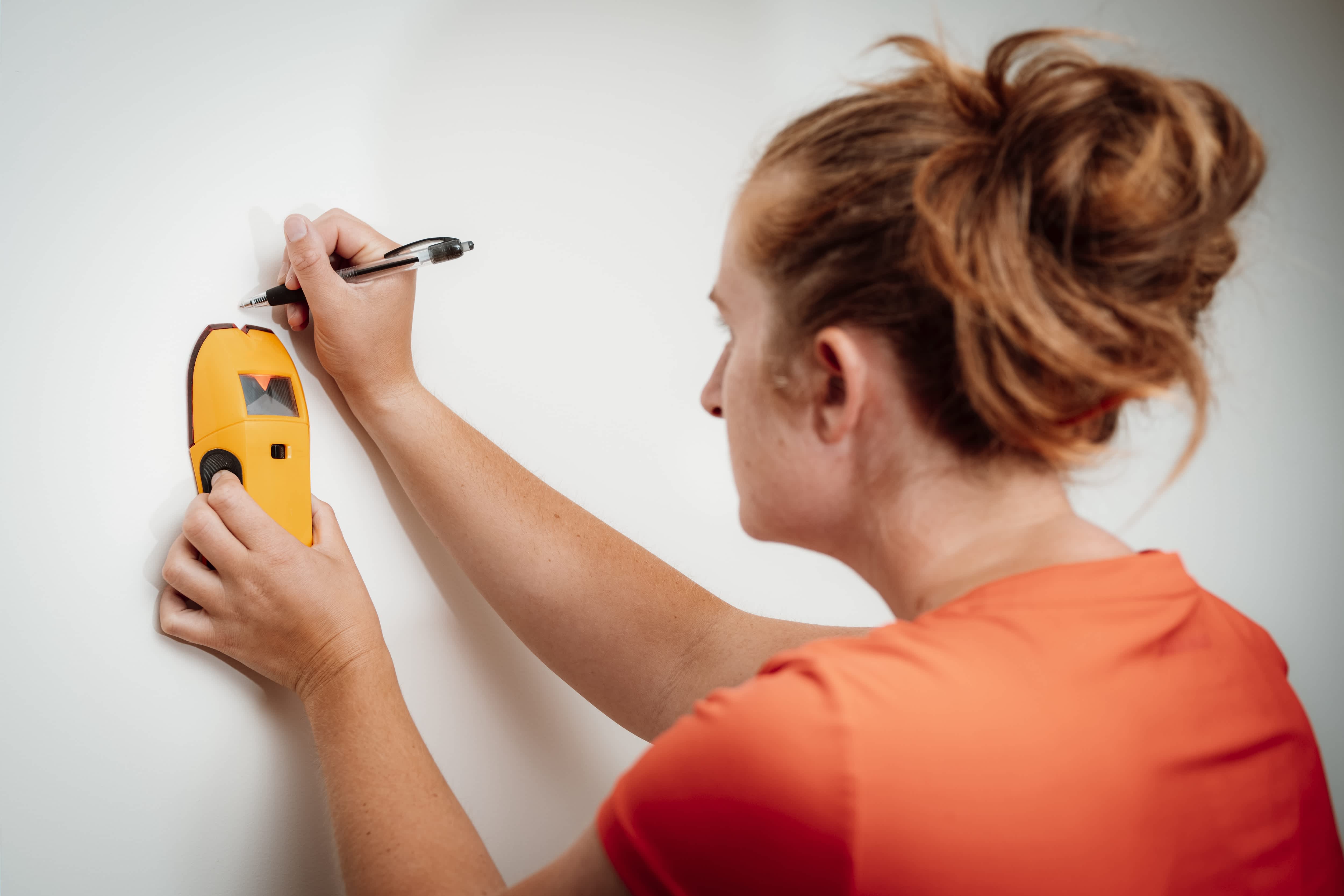
Studs can be found in a number of ways—you don’t always need a stud finder. Learn which methods are the most accurate, helping you find studs hidden behind a blank wall.
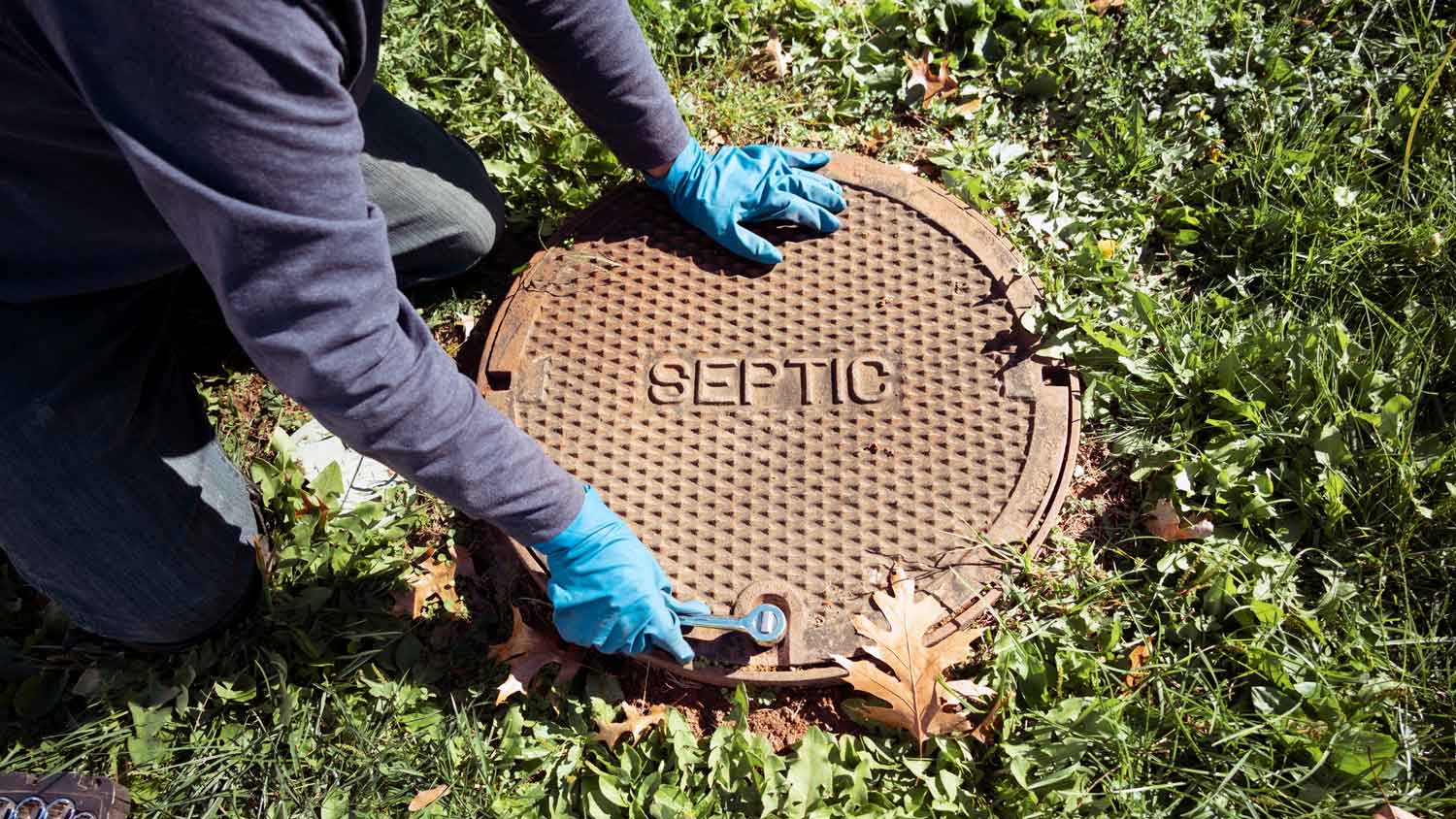
Knowing your septic tank’s location can help you prepare for maintenance, renovations, and more. For tips on how to find a septic tank, check out this guide.

Knowing where your water shut-off valve is will come in handy if there’s ever a burst pipe flooding your home. Here’s how to find it or alternatives to try if you can’t.

Visual inspections can help you find underground leaks, but high water bills can also tip you off. Here’s how to find underground water leaks like a pro.