
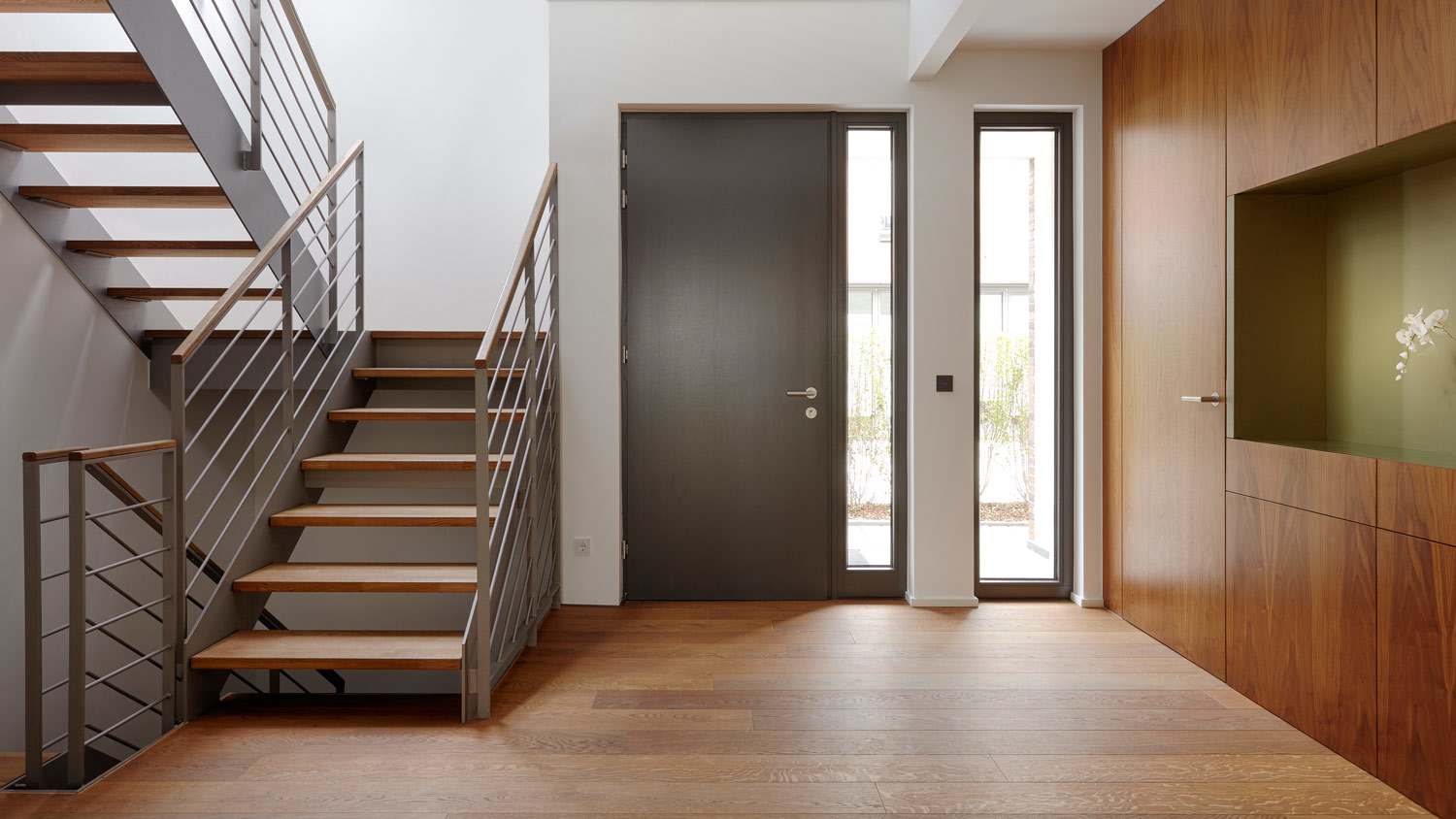
Keeping hardwood floors damage-free can be tough, but the cost to refinish hardwood floors in Phoenix, AZ is far less than the price to replace them.
Hardwood flooring service costs depend on your project and location. Check with a local pro for your specific job.

Hardwood floor installation costs in Phoenix range from $6 to $25 per square foot or more.
Hardwood installers charge $3 to $8 per square foot in labor costs, on average.
Thick, 3/4-inch hardwood planks cost up to $15 per square foot for materials alone.
Expect a 70% to 118% return on investment (ROI) after installing hardwood floors in Phoenix.
Phoenix, Arizona, has a higher cost of living than the national average, which can have an impact on the total cost of your hardwood floor installation. Phoenix homeowners pay $4,830 for hardwood floors, on average, with most projects falling between $2,634 and $7,217. Your final price will vary depending on the size of the space, the species of wood you choose, the floor type, thickness, and several other factors.
The top cost factors of hardwood floor installation in Phoenix, AZ, are the size of the room, the type of wood you choose, plank thickness and width, wood grade, and finishes.
The national average cost to install hardwood flooring is $6 to $12 per square foot, including labor and materials. For higher-end wood and larger spaces, like if you’re redoing your entire first floor in hardwood, you may pay more—possibly between $13 and $25 per square foot. Here’s what you may pay depending on your home size and how much flooring you’re interested in replacing.
| Room Size (Sq. Ft.) | Average Cost |
|---|---|
| 150 | $1,200–$3,750 |
| 250 | $2,000–$6,250 |
| 500 | $4,000–$12,500 |
| 1,000 | $8,000–$25,000 |
| 1,200 | $9,600–$30,000 |
| 1,500 | $12,000–$37,500 |
| 2,000 | $16,000–$50,000 |
There are many species of wood to choose from, each with its own associated costs. The best wood species for your hardwood flooring installation depends on the installation location and the foot traffic it’ll see.
| Wood Species | Pros | Cons | Average Cost per Sq. Ft. |
|---|---|---|---|
| Red oak | Durable, versatile, and easy to finish | More susceptible to dents and moisture damage | $6–$12 |
| White oak | Durable and water-resistant | More expensive, vulnerable to UV damage | $4–$15 |
| Hickory | Durable and unique-looking | Hard to install and susceptible to warping | $5–$13 |
| Birch | Long-lasting and affordable | Easy to scratch | $3.50–$10 |
| White ash | Modern-looking, great shock absorption | Soft and easy to dent or scratch | $4–$13 |
| Brazilian walnut | Luxurious and long-lasting | Susceptible to scratches and UV color changes | $5.50–$10 |
| Maple | Affordable, resistant to dents | Difficult to stain evenly | $4–$12 |

Hardwood flooring is a broad category that includes several different styles and patterns of flooring. Solid hardwood is the traditional type, but you'll also find engineered wood and parquet flooring. Material and installation costs will depend on which one you choose.
| Type of Hardwood Floor | Average Cost per Sq. Ft. |
|---|---|
| Solid hardwood | $8–$22 |
| Prefinished hardwood | $10–$25 |
| Engineered hardwood | $3–$13 |
| Genuine parquet | $20–$45 |
| Faux parquet | $7–$15 |
While durable flooring options may cost more, consider the wear and tear your floor will withstand in high-traffic areas, especially in homes with children and pets. If you’d like help choosing a material, a flooring pro can recommend strong materials that will look great in your home.

Your costs will vary depending on the flooring pattern you choose. Standard straight-lay floors are the most common and cost-effective, with labor costs of $3 to $10 per square foot. Complex patterns like herringbone, chevron, or parquet can cost $10 to $20 per square foot for labor alone. They also take longer to complete, driving costs higher. Keep this in mind when choosing the best floors for your needs.
Hardwood is often 3/4, 5/8, or 1/2 inch thick, though you can also find options in other thicknesses. Thicker flooring can cost a bit more than thinner floors, but the thicker the wood, the more it can withstand everyday use. A wood floor pro can help you choose the best wood thickness for your floor.
| Wood Thickness (Inches) | Average Cost per Sq. Ft. (Materials Only) | Best Use |
|---|---|---|
| 3/8 | $3–$8 | Lightest foot traffic areas |
| 5/8 | $10–$13 | Lighter traffic areas, like guest rooms |
| 1/2 | $3–$10 | Medium foot traffic areas, like bedrooms |
| 3/4 | $5–$15 | High-traffic areas |
Hardwood flooring falls into grades or categories based on physical characteristics. Low-grade floors have a natural, rustic character with knots, color variations, and mineral streaks. These cost about $6 to $18 per square foot installed. High-grade, or clear, wood has a more uniform look and color, with fewer imperfections. This tier costs anywhere from $11 to $25 per square foot.
| Wood Grade | Characteristics |
|---|---|
| Cabin (or #3 Common Grade) | Rustic aesthetic with significant color variations and other pronounced imperfections |
| Character (or #2 Common Grade) | Some color variation, knots, and other imperfections with a natural look. |
| Natural (or #1 Common Grade) | Some slight knots and color variation, less rustic looking |
| Select (or Clear Grade) | Minimal to no knots, color variations, or imperfections |
Hardwood planks tend to be five inches wide or narrower. However, wide-plank formats cost $3 to $14 per square foot for materials alone. You'll need fewer boards to cover a floor with wide planks (six to 12 inches wide), which can reduce labor costs.
The harder a wood is, the more effort it takes to install. Expect hardwoods (think Brazilian walnut) to require more elbow grease than softwoods (like pine). For this reason, the materials you choose cause hardwood floor installation costs to vary widely.
Wood color varies dramatically across species, including:
Light and pale tones
Warmer, medium tones
Rich, dark tones
You'll also see price variations by cut. Plain-sawn planks with a wave-like pattern are the most affordable, while quarter-sawn planks with straighter grain are more expensive. One rare pattern is the highly linear grain of rift-sawn boards, which cost even more.
Finish refers to the protective coating applied to hardwood to extend its durability. Some hardwood comes prefinished for an extra $2 per square foot, reducing labor costs. Finishing unfinished wood after installation adds $3 to $8 per square foot in labor.
Additionally, different types of finishes vary in cost. For example, a polyurethane finish costs less than a penetrating resin finish.
You’ll incur additional costs for higher labor rates, subfloor repairs, or city permits, depending on the specifics of your Phoenix hardwood floor installation project.
Most wood flooring costs come from materials rather than labor. On average, labor costs $3 to $8 per square foot. However, you may end up paying more for jobs that take longer. This includes installing planks that have to be finished on-site, patterns like herringbone and parquet, or installations in complex layouts with unique corners.
On the other hand, you may spend only $3 to $4 per square foot on labor when installing wide-plank floors, since they cover more area and take less time to install.
There’s no point in choosing a hardwood floor material until your home is ready for installation, and that begins with the subfloor. If you need subfloor repairs, expect to pay a Phoenix professional $2 to $5 per square foot.
If you require subfloor repairs or alterations, you’ll need a residential construction permit. In Phoenix, these permits cost $50 to $300, depending on the scope of your project.
You might want to hire other pros to finish the job off. Furniture movers simplify the process of clearing out a room and setting it up again. In Phoenix, these pros charge $50 to $100 per hour, per mover. And if you want to have trim installed as the finishing touch on your new floors, you’ll need a local trim carpenter. These pros charge $75 and $125 per hour in Phoenix.
New hardwood floors can boost the value of your Phoenix home thanks to their long lifespan and enduring popularity across all the flooring trends over the years. Homeowners report returns on investment (ROI) of 70% to 118% after installing new hardwood floors, making this one of the highest yields among home improvement projects.
Home is the most important place on earth, which is why Angi has helped more than 150 million homeowners transform their houses into homes they adore. To help homeowners with their next project, Angi provides readers with the most accurate cost data and upholds strict editorial standards. We survey real Angi customers about their project costs to develop the pricing data you see, so you can make the best decisions for you and your home. We pair this data with research from reputable sources, including the U.S. Bureau of Labor Statistics, academic journals, market studies, and interviews with industry experts—all to ensure our prices reflect real-world projects.
Want to help us improve our cost data? Send us a recent project quote to [email protected]. Quotes and personal information will not be shared publicly.
On Demand Coatings LLC did an amazing job from start to finish. The team was professional, on time, and extremely knowledgeable about the entire coating process. They transformed our concrete floors and made them look absolutely incredible. The quality of the workmanship exceeded our...
 On Demand Coatings LLC
Chicago did a great job on the area rugs! He arrived on time and was efficient. Very knowledgeable about floor care.
 Precision Medical Floor Care
Anas Contracting was recommended to us by a friend, and we?re so glad we listened. They installed hardwood throughout the first floor and the result is stunning. Great value and very professional.
 Ana's Contracting, LTD
I couldn’t be more pleased. I know how messy skim coating and sanding walls to remove texture is, Carlos took every precaution to keep the mess or disruption from the rest of my home. He is very efficient and easily worked into my schedule as I had to work in stages with different...
 Wall-2-Wall Drywall LLC
Gets the job done quickly and efficiently! remodeled my whole mobile home from flooring, full kitchen with cabinets, bathrooms, drywall and paint. Would highly recommend for any home improvement needs.
 HGO Home Improvements
Tech skillfully removed and installed laminate flooring.
 Scott Henderson
Maria is awesome! Extremely thorough and clearly takes pride in her work. She moves, lifts, and cleans every item in the house. We couldn't believe how detailed she was. Also very knowledgeable about cleaning products; how to clean different surfaces, work works well and what doesn't...
 MIKA Cleaning Service, LLC
The workers were professional and courteous. They went above and beyond helping us move furniture. Their knowledge of installing LVP was exceptional. I would highly recommend this company for your flooring needs.
 Better Flooring, LLC
Larry provided a competitive quote and ensured the project was completed on time and to my satisfaction. Bobby and helpers, through their equipment, plastic barriers, and careful attention, limited the spread of dust, which can be a problem when sanding down wood floors. Bobby made sure all...
 Midwest Hardwood Flooring LLC
I had Only Wood Floors come in and install engineered flooring in my whole house, and it came out perfect! I would totally recommend for any of your flooring needs. He is great at communicating with you and is friendly!
 Only Wood Floors
From average costs to expert advice, get all the answers you need to get your job done.
Keeping hardwood floors damage-free can be tough, but the cost to refinish hardwood floors in Phoenix, AZ is far less than the price to replace them.
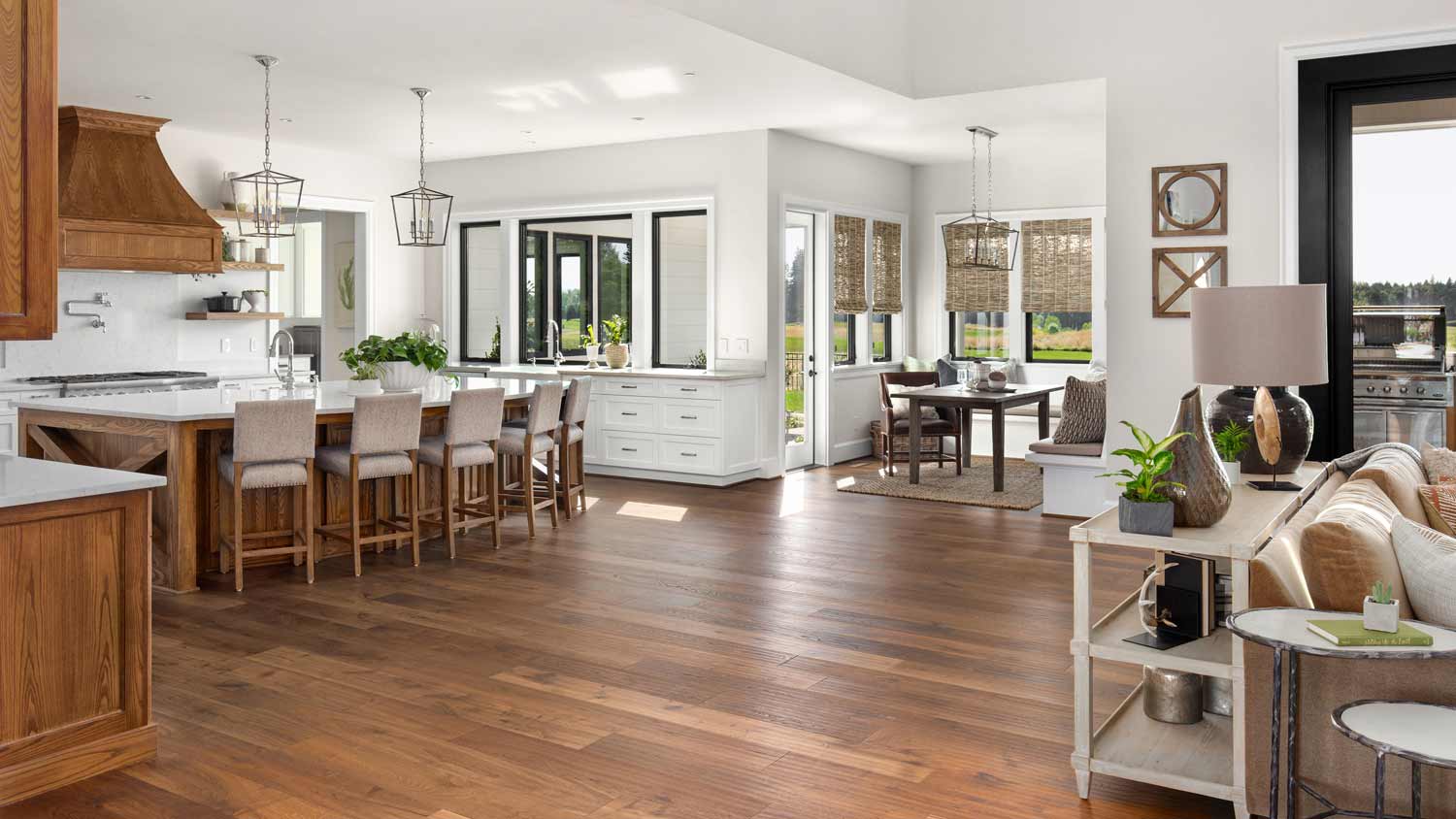
Find out the average wood floor repair cost in Phoenix, AZ. Learn what you can expect to pay for local hardwood floor repair and restore your floors today.
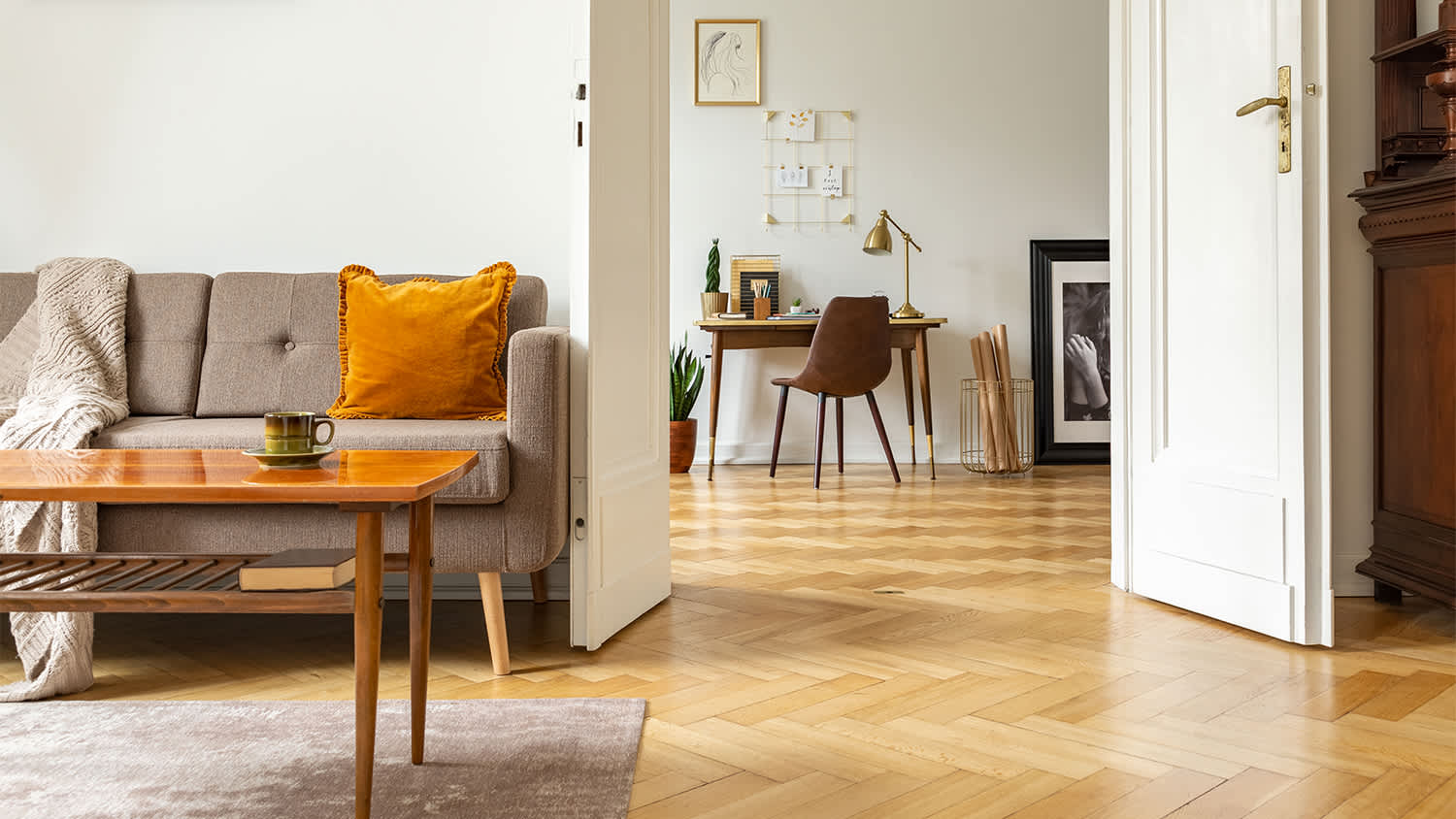
Updated flooring can make any room in your home feel brand new. Explore flooring installation costs in Phoenix, AZ, from materials to labor costs.
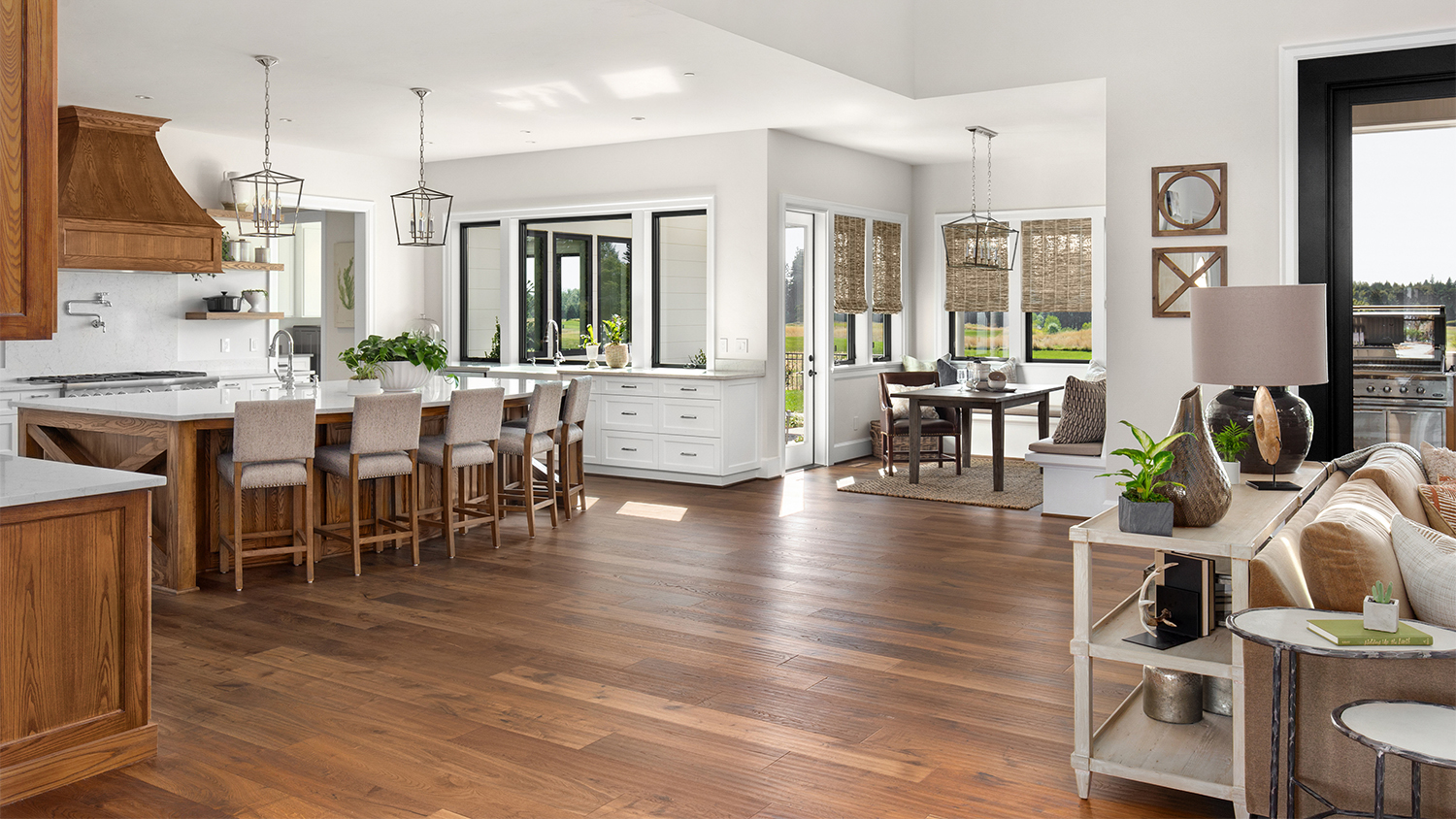
Moisture and heat can cause buckled hardwood floors. Learn why this happens, how to prevent it, and what to do if your hardwood floor is buckling.
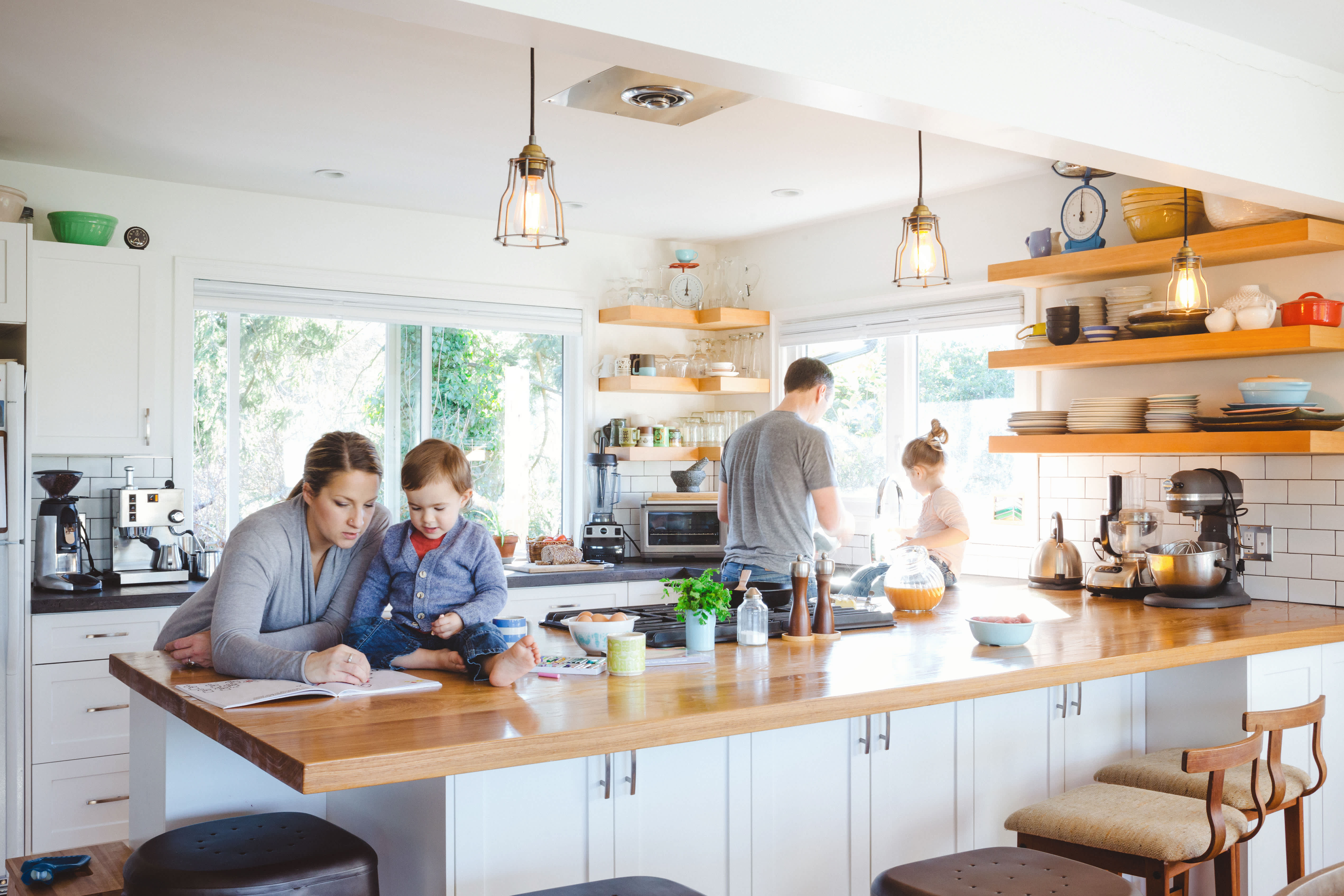
Deciding to add hardwood floors to your home isn’t a one-and-done process. There are some things you should know to make the most informed decision on the type of wood, finish, and style.
Before repairing or partially replacing flooring, make sure to discuss these hardwood floor repair questions with a pro.