
•
Discover average furniture repair cost, key price factors, and ways to save. Get expert tips to budget for your next furniture repair project.
Furniture refinishing costs depend on your project and location. Check with a local pro for your specific job.


Your professional refinishing cost runs $341 to $939, depending on your furniture’s size and detail level.
Solid hardwoods like oak need precise sanding; damaged veneer and lacquer finishes raise your project complexity.
Your budget should include structural repairs ranging from $150 to $500, plus delivery, hardware upgrades, and coatings.
Hiring a local furniture refinishing professional saves you time and helps protect valuable or sentimental pieces from damage.
This article was created using automation technology and thoroughly fact-checked and edited by an Angi Editor in accordance with our AI policy.
In 2026, the national average cost for furniture refinishing is $638, based on 2,766 verified projects from Angi Pros. Most homeowners pay between $341 and $939, with the spread driven by furniture type, size, and local labor rates. Your budget should also account for structural repairs ranging from $150 to $500, plus any delivery, hardware upgrades, or specialty coatings.
Several variables determine how much you'll pay to refinish furniture, from the type and size of the piece to the materials and local labor rates. Understanding each factor helps you anticipate your final bill before you get a quote.
The type of furniture you refinish plays a major role in the total cost, with simple pieces requiring less labor and fewer materials than complex ones. Dining chairs and end tables sit at the lower end of the price range at $100 to $400, while large or ornate pieces like armoires demand more time and skill (costing up to $3,000). Here is a breakdown of average refinishing costs by furniture type:
| Furniture Type | Average Cost in 2026 | Notes |
|---|---|---|
| Dining chair | $100–$250 | Simple design, minimal surface area |
| Coffee table | $150–$400 | Flat surfaces, moderate detail |
| Dresser | $350–$1,800 | Multiple drawers, hardware to remove |
| Cabinet | $400–$1,000 | Doors, shelves, possible intricate details |
| Dining table | $400–$1,200 | Large surface, may require disassembly |
| Armoire | $700–$3,000 | Large, complex, often ornate |

Solid hardwoods like oak or mahogany require more precise work and specialty products, making them more expensive to refinish than pine or veneer. Veneer and composite materials can be trickier to work with, especially if damaged. Specialty finishes—such as lacquer, custom stains, or painted effects—add to the total cost as well.
Labor makes up a major portion of furniture refinishing costs, with hourly rates falling between $40 and $100 or more depending on skill level and region. Most professionals charge per project rather than by the hour, but independent craftspeople and restoration shops with extensive experience may charge more. Labor costs climb further if your piece needs stripping, extensive repairs, or detailed handwork.
Preparation—which includes stripping the old finish, sanding, and cleaning—can take several hours, especially for damaged or antique furniture. Some pros charge extra for removing old hardware or disassembling the piece. If your furniture has heavy old paint, deep stains, or water damage, expect prep fees to increase accordingly.
Tipping is not required in the furniture refinishing industry, but it is always appreciated for exceptional work. If you'd like to tip, consider $20 to $50 per piece or 10% of the total bill. Leaving a positive review or referring friends is another thoughtful way to show appreciation.
Beyond the core refinishing work, a handful of extra costs can add up depending on your project's needs:
Repairs: Fixing broken joints or replacing missing parts can add $50 to $500 per issue.
Pickup and delivery: Transporting your furniture ranges from $50 to $150 each way.
Customization: Specialty stains, hardware upgrades, or decorative inlays often carry premium charges.
Protective treatments: Post-refinishing cleanup and coatings such as polyurethane may add $30 to $100.
Shop-specific fees: Rush services, environmental disposal fees, and similar charges can also increase your final bill.
Once your furniture is refinished, a few ongoing costs help keep it looking its best over time. Budgeting for routine maintenance, protective products, and occasional repairs ensures your investment lasts.
DIY maintenance products cost $10 to $30, while professional maintenance services run $50 to $150 per visit. Routine maintenance—such as polishing, waxing, or applying protective oils—preserves refinished furniture and extends the life of the finish.
Protecting refinished furniture may require humidity control devices, felt pads, slipcovers, and specialty cleaners. Humidity control devices range from $20 to $200, while protective pads and cleaning products cost $5 to $30 per set. These small investments prevent damage and reduce the need for future repairs.
Even after refinishing, furniture can get scratched or damaged over time. Minor touch-ups cost $30 to $75, while major furniture repairs—such as fixing a broken leg—may cost $100 to $500 or more. If the damage is severe, you may need to return to your refinisher for more extensive work.
Insuring high-value or antique furniture can cost $50 to $200 per year, depending on appraised value. Homeowners insurance often covers general furniture damage but may exclude refinished or antique pieces unless they are specifically listed on your policy. Specialty insurance for collectibles or heirlooms is worth considering if your piece carries significant financial or sentimental value.
Choosing between DIY and hiring a pro comes down to cost, time, skills, and risk. DIY refinishing has a lower upfront cost, but you’ll need the right tools and patience for a quality result.
DIY costs include:
Materials (strippers, sandpaper, stains, sealants): $50 to $200
Tools (brushes, power sander, safety gear): $100 to $300 (one-time investment)
Time: 10 to 30 hours per piece, depending on complexity
Hiring a pro eliminates labor on your end but raises the total cost. You benefit from professional results and avoid mistakes that can devalue or damage your furniture.
Risks of DIY include uneven finishes, accidental damage, or exposure to hazardous chemicals. We recommend hiring a professional for antiques, complex pieces, or items with sentimental or financial value.
Add-ons can personalize your furniture refinishing project but will increase the total cost, so it's worth knowing what each option runs before committing. Here’s a summary of common furniture refinishing add-on costs:
| Add-On | Cost in 2026 | Details |
|---|---|---|
| Custom stains or paint colors | $50–$200 per piece | Per piece |
| Hardware replacement or restoration | $20–$150 | Based on hardware style and quality |
| Upholstery work | $300–$1,000 | Combined with refinishing |
| Protective coatings | $30–$100 per application | Polyurethane or wax |
| Pickup and delivery | $50–$150 each way | Transport fees |
| Decorative enhancements | $100–$500 or more | Inlays, carvings, or gilding |
You can keep your furniture refinishing cost manageable with a few strategic choices:
Get multiple quotes from local furniture refinishers to compare pricing and services.
Choose standard finishes or stains instead of custom options, which often come with higher fees.
Prepare furniture yourself by removing hardware and cleaning surfaces to save on prep costs.
Bundle multiple pieces in one job for potential discounts from your refinisher.
Maintain your furniture properly after refinishing to avoid premature wear and touch-ups.
Consider partial refinishing, such as only restoring visible surfaces, for budget-friendly projects.
Home is the most important place on earth, which is why Angi has helped more than 150 million homeowners transform their houses into homes they adore. To help homeowners with their next project, Angi provides readers with the most accurate cost data and upholds strict editorial standards. We’ve surveyed thousands of real Angi customers about their project costs to develop the pricing data you see, so you can make the best decisions for you and your home. We pair this data with research from reputable sources, including the U.S. Bureau of Labor Statistics, academic journals, market studies, and interviews with industry experts—all to ensure our prices reflect real-world projects.
Want to help us improve our cost data? Send us a recent project quote to [email protected]. Quotes and personal information will not be shared publicly.
Showed up on time and cleaned carpets well, but didn?t move furniture.
 Voda Cleaning & Restoration of Columbus
My kitchen cabinets look brand new thanks to Custom Paint Jobs LLC. Their refinishing is exceptional.
 Custom Paint Jobs, LLC
Couldn't have been a worse experience. 3 of my belongings were lost and 5 belongings were damaged. My furniture was clearly dragged across the ground. The movers couldn't move the furniture I paid extra heavy weight fees for so I had to help them move my own furniture. The manager gave me...
 US Interstate and Rail
SOOOOOOO SHADY!!! We were quoted a max of $500 for 2- one bedroom apartments in the same complex moving to a two bedroom apartment 10 minutes away. The only large furniture that would be moved were 2 beds, 1 dresser, and a couch (very minimal heavy lifting). The movers showed up and joked...
 All My Sons Moving & Storage
Just moved from PA to Columbus in a studio apartment and needed help with some heavy furnitures because I couldn't do it alone. I called Hyremovers and they did a great and timely job and also left my apartment walls intact. Great service!
We ordered our bedroom furniture online in March with expected delivery in early April. 2 days before our delivery we received notice that the delivery would be delayed 2 weeks. We were very understanding and had no complaints. Again, 2 days before our new delivery date we received a notice...
Went well overall! The two downsides were 1) they only provided 2 of the 3 men promised and 2). the office guy who surveyed our apartment prior to the move underestimated the amount of stuff we had so the truck was too small. This meant the moving day lasted a bit longer than anticipated....
 Mr. Mover of Ohio Inc
I would absolutely recommend this business. They offer a variety of services, including: painting, roofing, and refinishing wood flooring. I hired them to refinish the original hardwood flooring in my home built in 1874. The job was quite challenging, as the floors were extremely aged and...
Removed various items (furniture, lamps, other junk) from my home. They were on time, personable, professional, etc. I can't say enough positive things about this company. <br />
Leaders does a very professional and affordable job. They were reliable and the movers treated our furniture like their own. I have used them twice, and I have recommended them to others. You can't find a better moving company in Columbus. <br />
 Leaders Moving & Storage Co of Columbus
From average costs to expert advice, get all the answers you need to get your job done.
Discover average furniture repair cost, key price factors, and ways to save. Get expert tips to budget for your next furniture repair project.
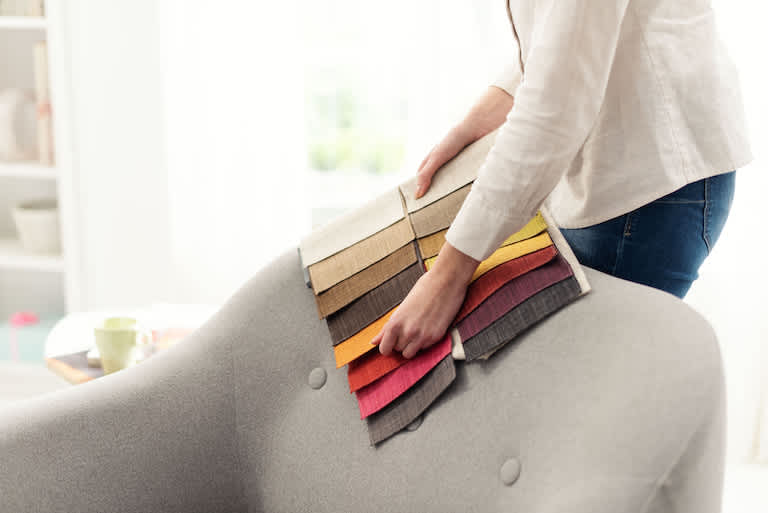
Discover the average furniture reupholstery cost, what impacts pricing, and how to save money on your next project. Get expert tips and cost breakdowns.

Wondering how much it costs to refinish a table? Get average prices, cost factors, and tips to help you budget and choose between DIY or hiring a pro.
Thinking about restoring an old heirloom? Learn about furniture refinishing costs, planning your project, and how to hire the right local pro for the job.
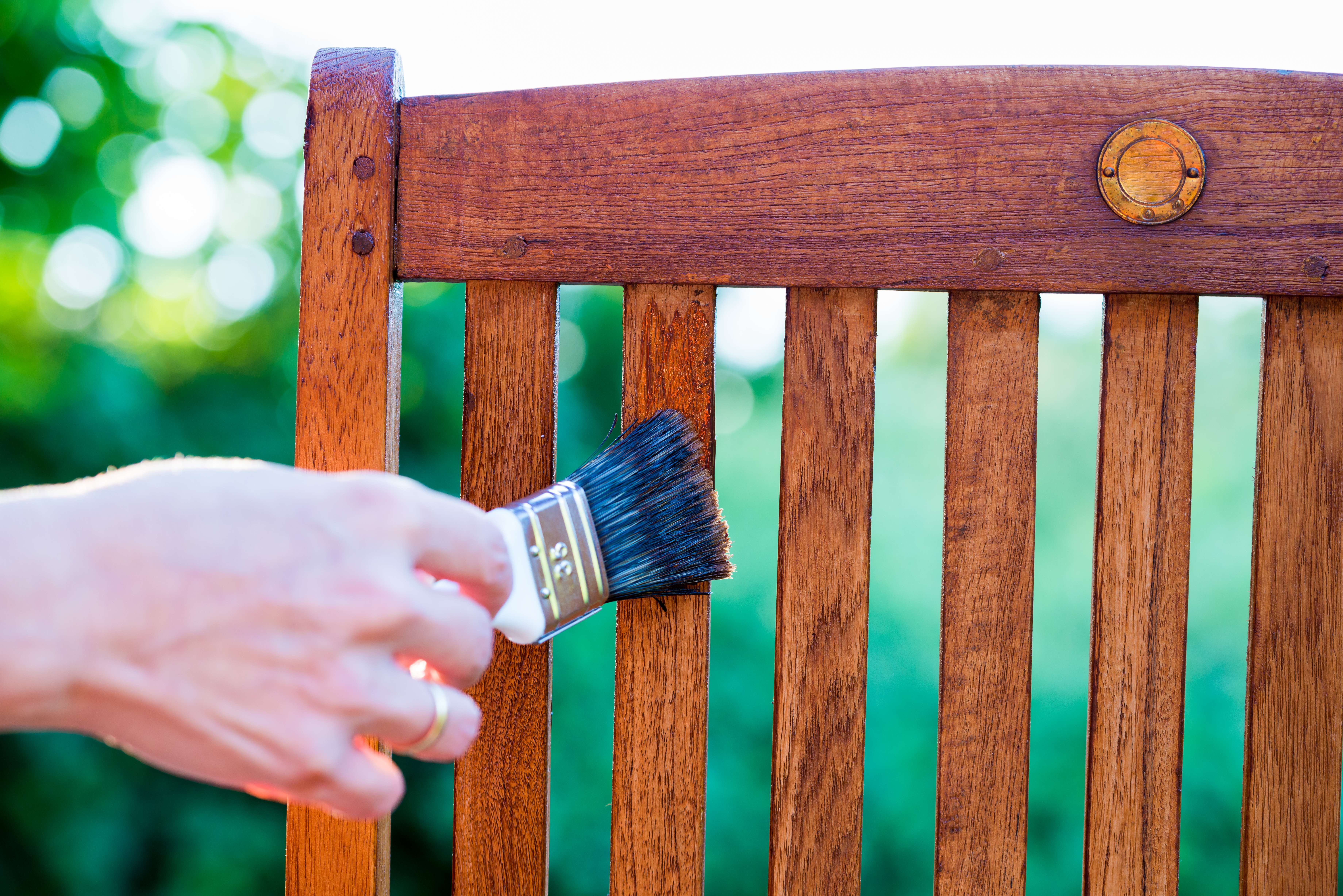
Not sure who to hire for furniture refinishing? See which pros to call, who to hire to refinish furniture, and what to expect from the process.
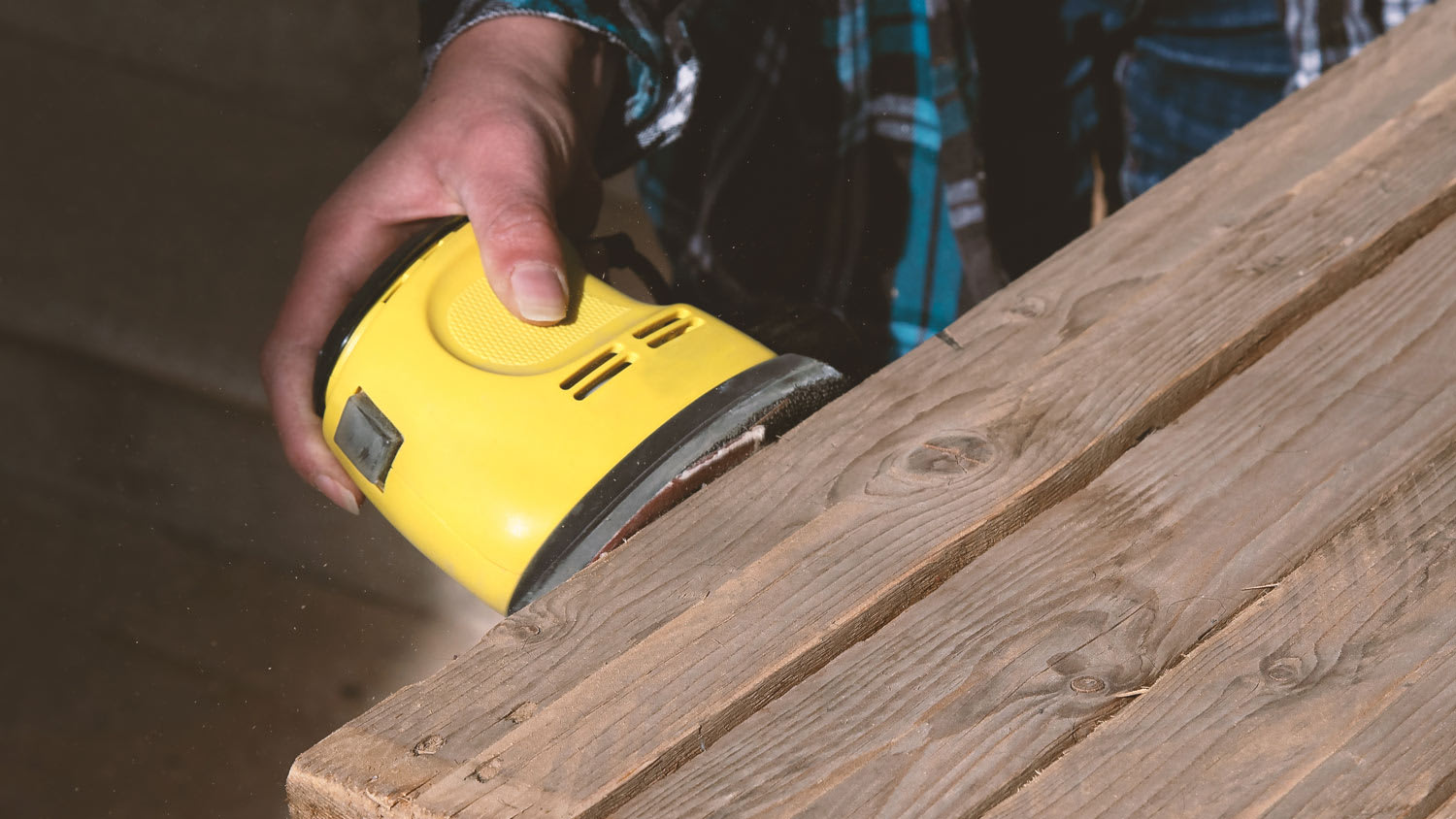
Looking to hire a furniture refinisher? Discover what to ask, qualifications to check, and how to find a reputable pro to restore your cherished pieces.