
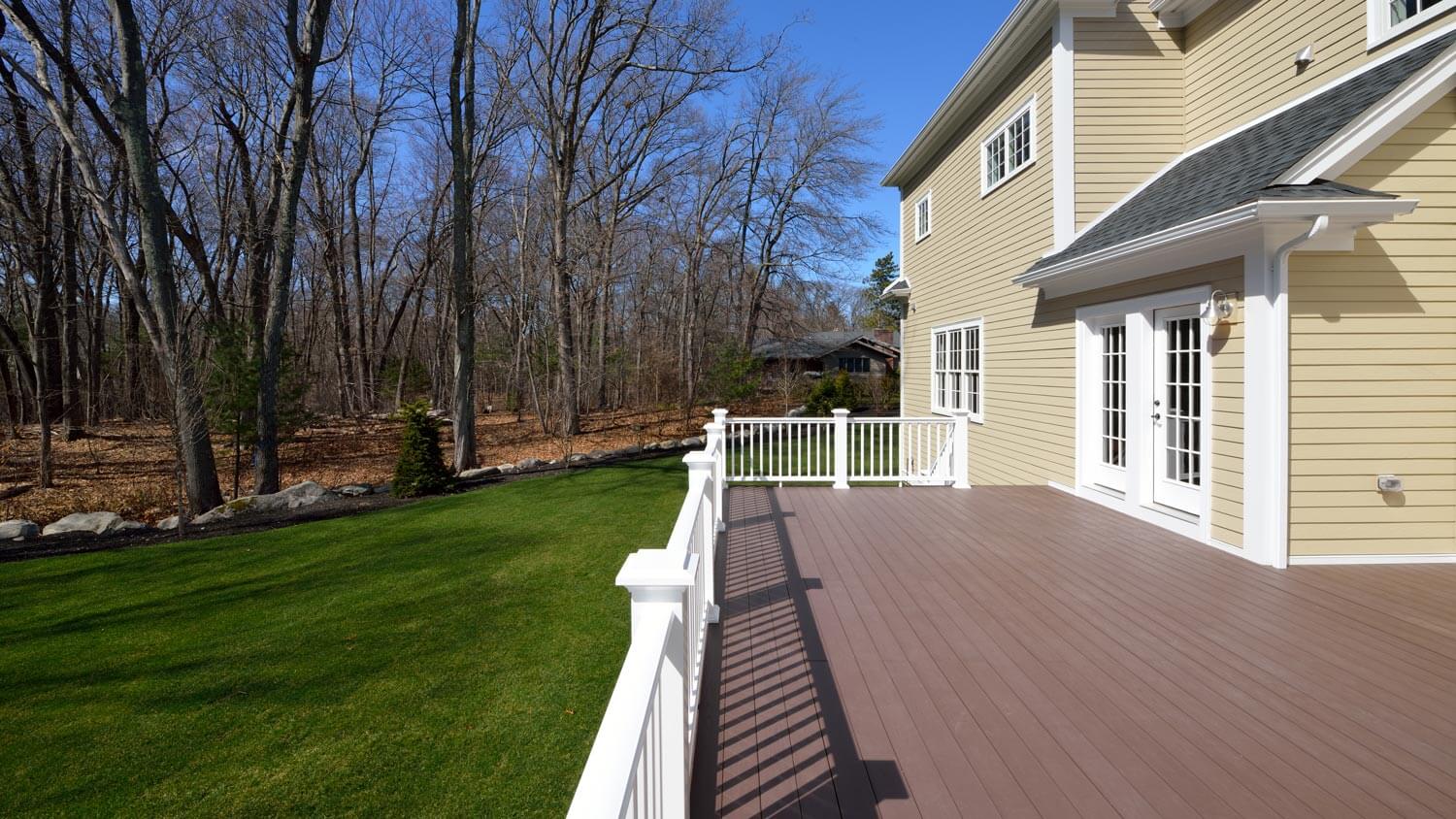
Building a composite deck can increase your home’s appeal and value. Composite decking costs depend on the size of your deck, the materials, labor, and more.
Don’t lose your composure over composite decking woes

Prolonged sunlight exposure causes common composite decking problems like fading, warping, and cracking, leaving your deck looking patchy and damaged over time.
Insufficient spacing between deck boards leads to expansion and contraction issues when temperatures shift, creating structural problems you need to address promptly.
Moving heavy furniture or equipment by dragging creates scratches and damage, so lift items with help to protect your composite deck surface.
Hiring a local deck building professional provides reliable support when boards need replacing or when you're addressing warping and moisture concerns.
Wood decks are timeless, but wood isn’t the most weather-resistant material. Composite decking is a modern alternative, combining wood fibers and plastic to make a durable material that doesn’t have the moisture issues that wood does. However, that doesn’t mean composite is perfect. This guide reviews the eight most common composite decking problems and their solutions.
Prolonged exposure to sunlight can cause composite decking to fade. That rich color you loved when the deck was first installed can look patchy and drab, and the difference can be especially noticeable if your deck has both shady and sunny areas.
Opt for a composite that has a UV-resistant coating. Alternatively, you might be able to stain older composite materials. Check the manufacturer’s recommendations before doing so.
Composite is made from wood fibers bonded using plastics and binding agents. This mixture of ingredients is susceptible to high temperatures, causing composite decking to warp, bend, and crack.
Choose a high-quality composite that’s less likely to warp when exposed to heat. If one of the deck boards is excessively warped, you might need to replace it with a new one.
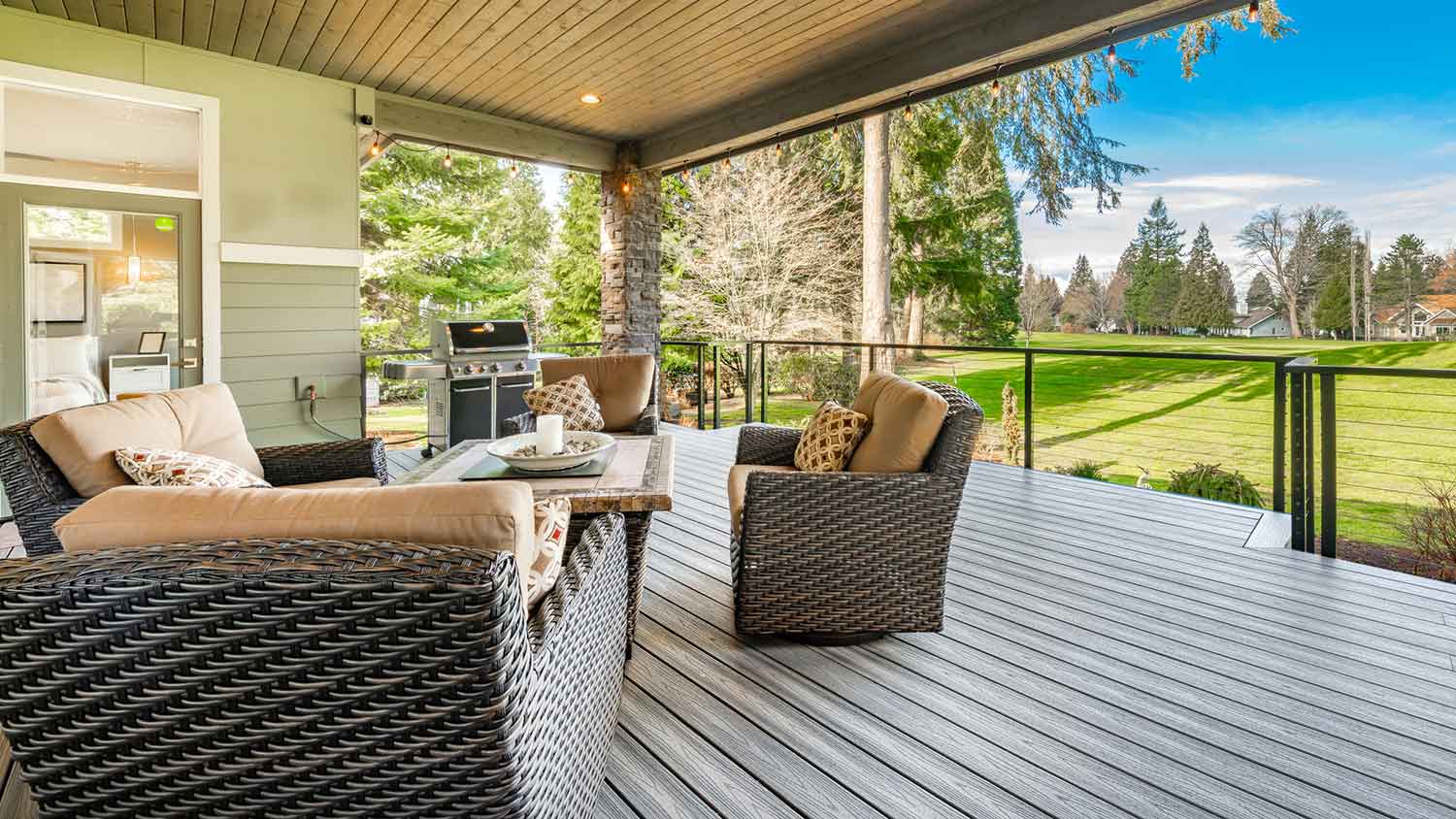
Composite decking is extremely durable and resists scratching well. However, it’s not immune to damage from moving heavy furniture or outdoor equipment on the deck.
If you must move heavy items on the deck, do it in teams of two or more people. Pick up the furniture so it clears the deck boards. Never drag heavy furniture—you can damage your deck and injure yourself.
Although composite decking itself is rot-resistant, the subframe may not be. Deck subframes are often made from timber, which can rot if moisture gets trapped between the subframe and deck boards.
Treat the subframe for moisture resistance and ensure enough ventilation between the subframe and the deck boards to prevent trapped moisture.
As temperatures rise and fall, composite decking boards can expand and contract. If the boards do not have sufficient gaps between them, structural issues can arise when they expand.
If you’re installing the decking yourself, follow the manufacturer's directions on proper spacing to accommodate expansion and contraction. Adjust the spacing as needed throughout the season.
Composite decking is mostly mold- and mildew-resistant. However, if the deck’s protective layer of polymer doesn’t extend around the board, moisture can seep into the wood core and cause moisture issues.
Removing mold and mildew from composite decking is extremely difficult, so you may need to replace affected boards. When installing decking, ensure it has a protective cap to prevent moisture damage.
Because composite decking contains plastic, it can get much hotter underfoot in the sun than wood decking. During the hottest summer days, this can be a significant downside to composite decking.
Use outdoor rugs creatively to make a path from your back door to the deck steps, eliminating the need to put your bare foot directly on the hot surface. Alternatively, don’t walk on the deck without shoes.
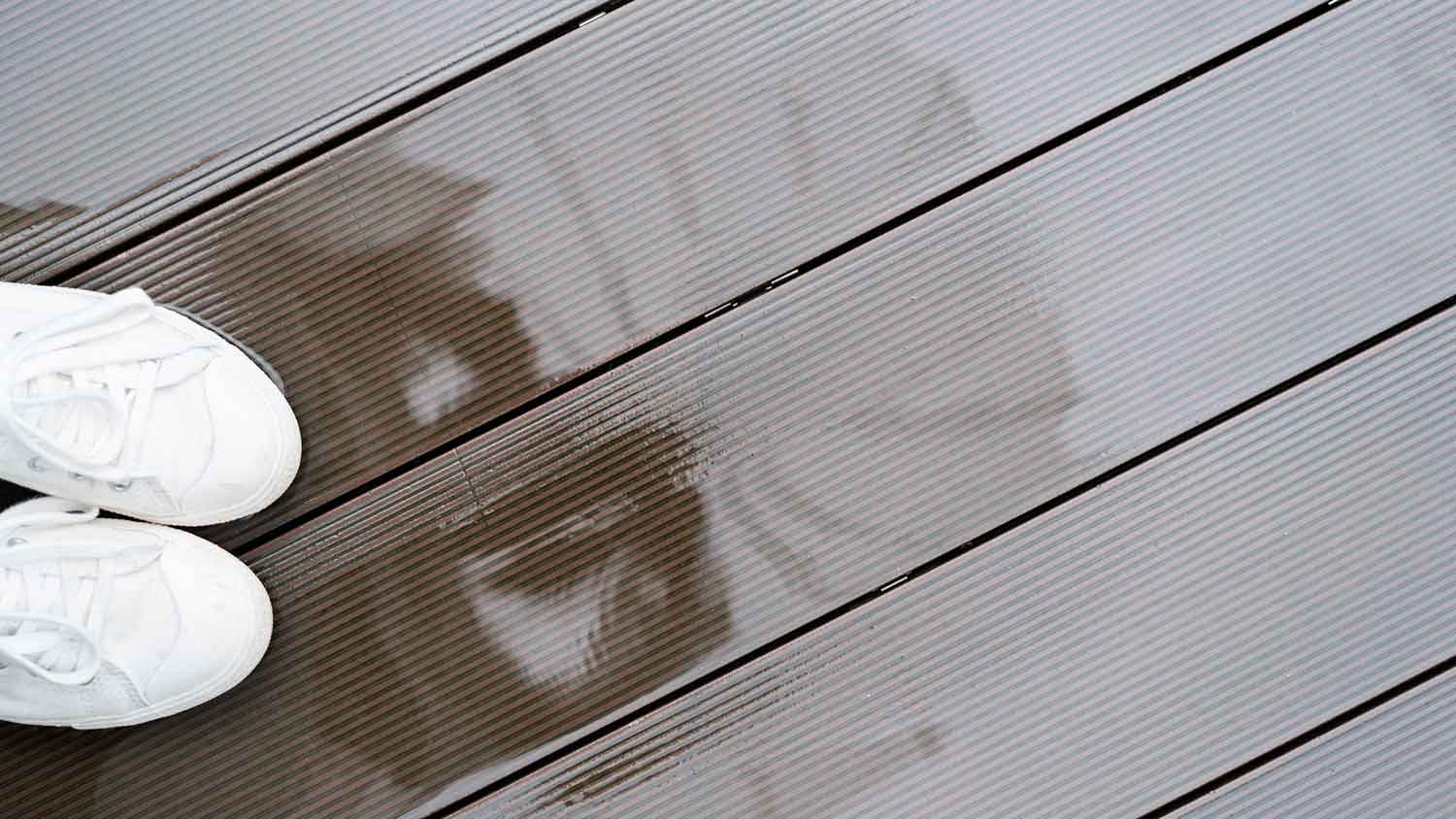
When exposed to water, composite decking can become more slippery than wood. This can increase the chances of injury on rainy days (or for decks built near pools).
Choose composite deck boards with a textured finish or anti-slip coating, and don’t walk on a wet deck without the appropriate grippy footwear.
Composite decking is harder to repair than wood because it can’t be sanded, painted, or stained. Damaged boards usually need to be replaced, and doing so can be difficult if you don’t have the appropriate DIY experience. We recommend calling a local deck builder to inspect your deck and recommend the best path forward.
One of my old tall evergreen trees was suddenly leaning toward the busy street in front of my house. I submitted a request for an emergency tree inspection, and Alejandro, owner of Cajete Tree Service, contacted me immediately and arrived to look at it just 20 minutes later. We agreed the...
 Cajete Tree Service LLC
1 tree was cut down and 5 others including a large willow tree were trimmed. The Grant Tree Service men were professional and cleaned up afterwards. The cost of the 6 trees were affordable. I am very happy with the results. I would hire them again.
 Grants Tree Service
Archie did a good job cleaning up the driveway before he laid down the sealer. It looks good. He was gracious and even helped me bring up my groceries. His rate was comparable to another company who came out to give me a quote and he talked to me personally rather than just text me a quote...
 Pro Seal Roofing & Paving
We have bought and sold numerous times over the past 50 years. Sherman Hall and Top Line are top notch. Thorough and detailed, he explains every possibility, probability, and eventuality. High class and pleasant. The best.
 Top Line Home Inspections, LLC
D1 Roofing delivers outstanding service from beginning to end, backed by a strong warranty and expert teams. I highly recommend them for their excellence in meeting and surpassing expectations with unmatched communication. Choosing D1 Roofing was flawless decision
 Division 1 Roofing LLC
Couldn't ask for a better company. Josh and Dee were Very professional, efficient, courteous and takes major pride in their work. They will travel to come to your home and will still give you a fair price. They are honest and trust worthy. Their focus is on their work and their work is...
 Supreme brick & chimney
Window Depot did an amazing job on my deck. I wasnt sure what I wanted to do, but their composite decking was affordable and will last a long time. I am excited to have family over, and I am no longer embarrassed by my backyard. Jeff and the ground crew were polite, respectful, and caring for...
 Window Depot USA of Central Ohio
Wonderful. I am going to have them remove and replace my driveway in the spring.
 All Star Paving and Sealing
We were having 2”x 2” tile installed . There was a small installation error and the new additional replacement tile was from a different lot and the colors didn’t match. Joe assured us that he would rectify everything , which he did without hesitation. We decided to go with the 18” x 36” tile...
 CarifaTile
Maple Tree Service should serve as a mentor for other business! Customer service was superior and beyond expectation. Response to request was prompt. The representative was very courteous and proud of the company. Quote was given during initial visit and work date established. A follow up...
 Maplewood Tree Service
From average costs to expert advice, get all the answers you need to get your job done.
Building a composite deck can increase your home’s appeal and value. Composite decking costs depend on the size of your deck, the materials, labor, and more.
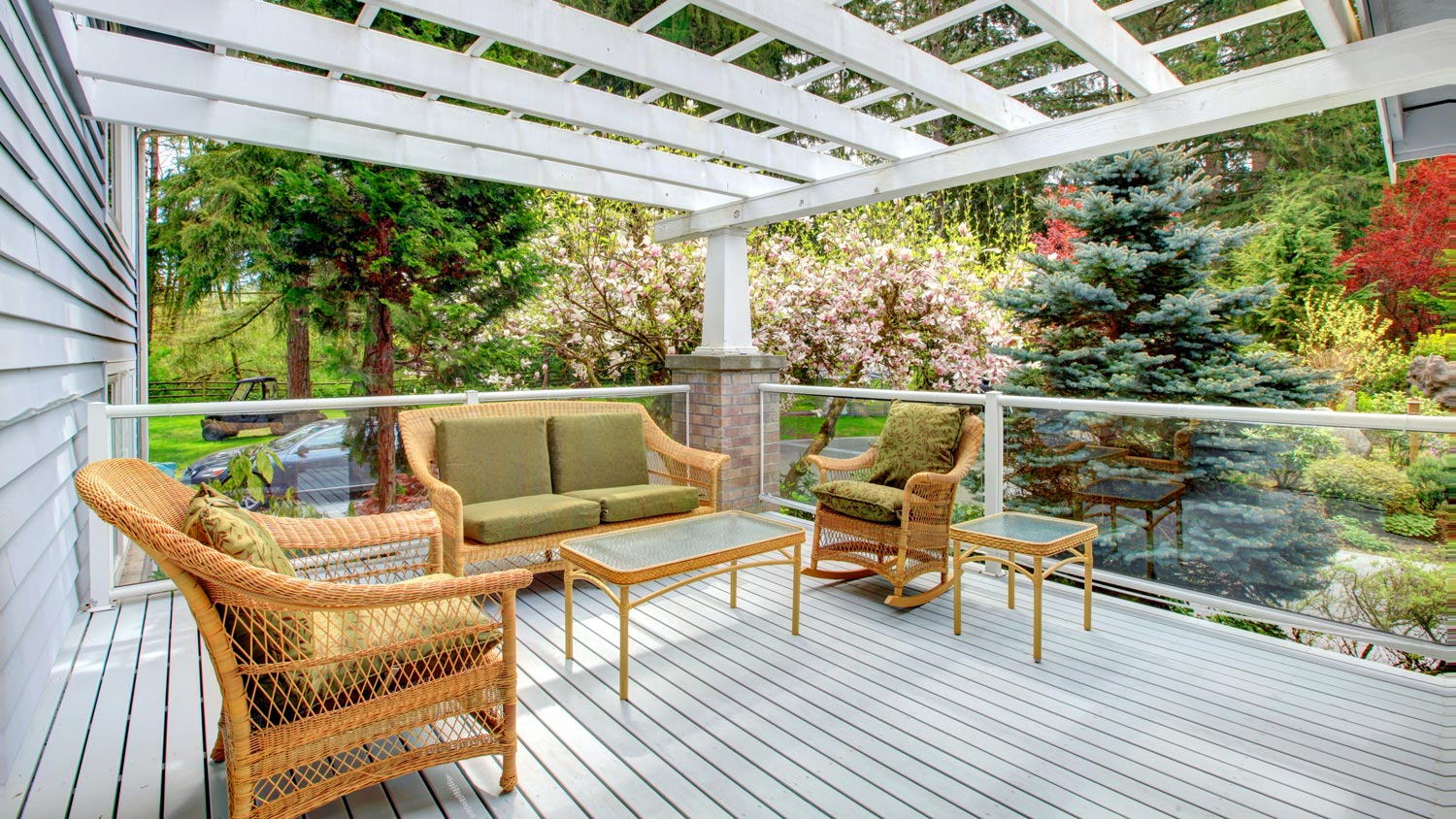
Use this deck inspection checklist to make sure your deck is safe. Annual inspections can help to prolong the life of your deck and avoid any mishaps.
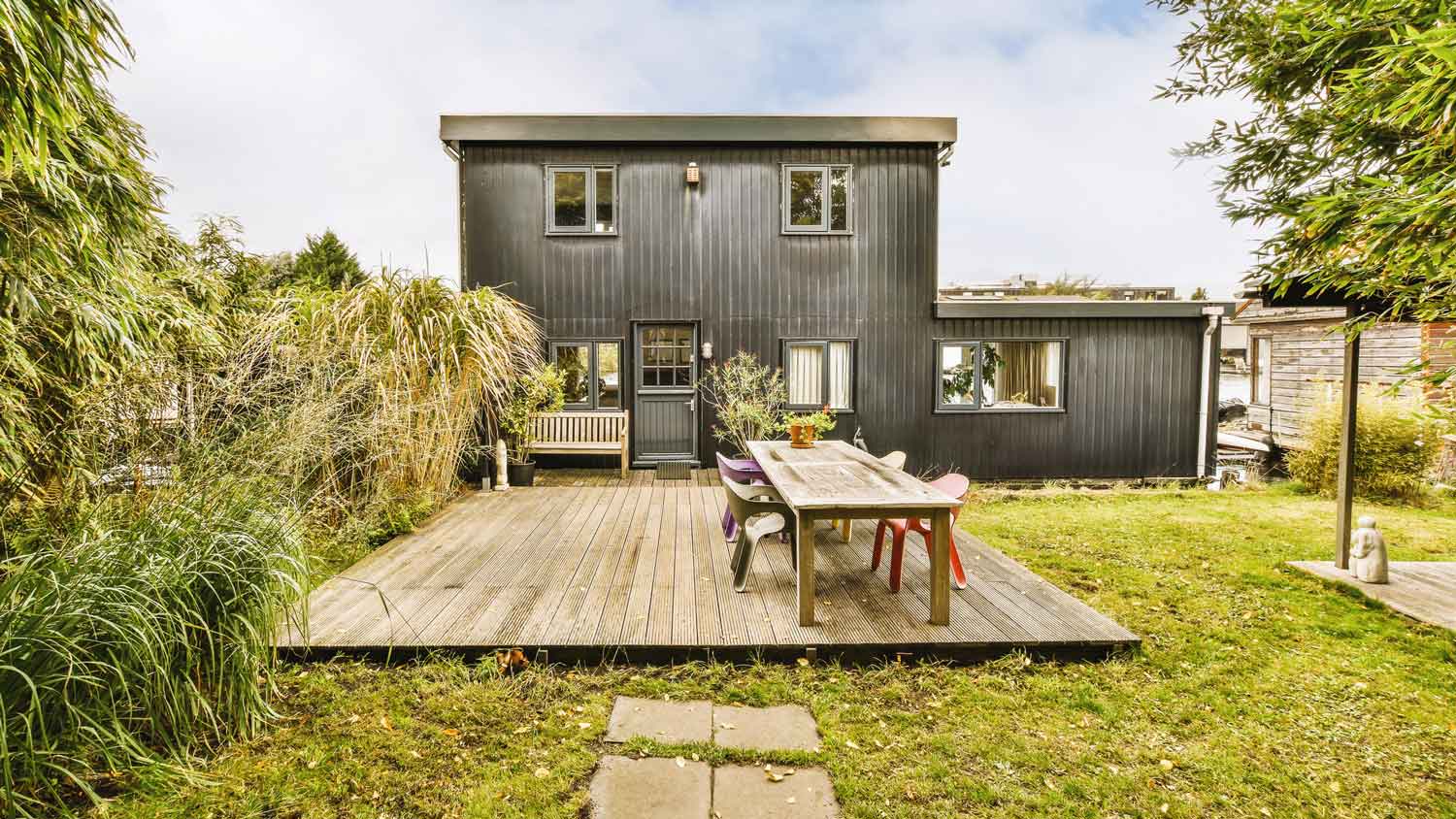
Cleaning your deck at least once a year boosts its durability and appearance. Learn how to clean decking, whether it's wood or composite.
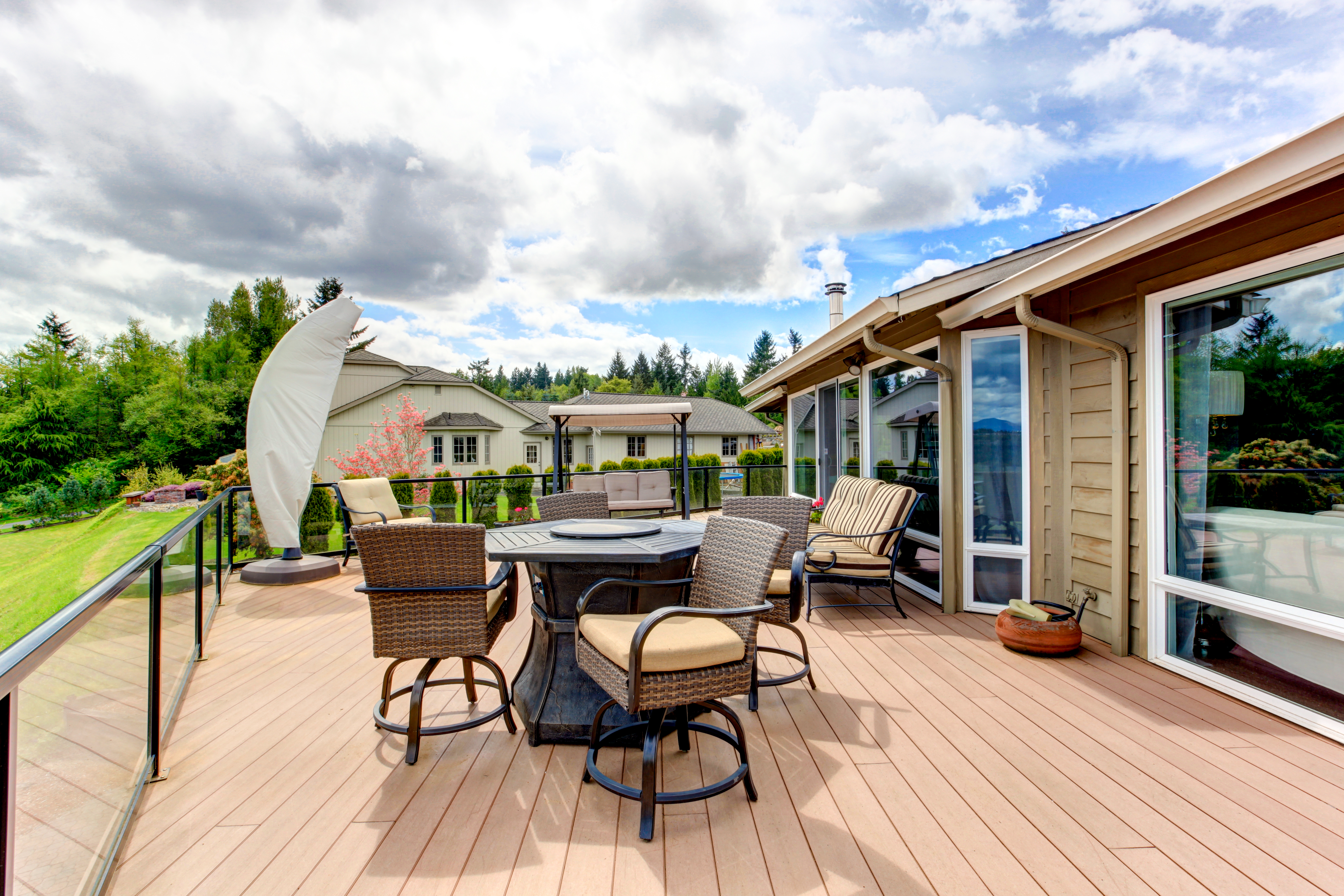
Don’t let deck stain problems steal the spotlight from your outdoor space. Here is how to fix these issues before your next backyard party.
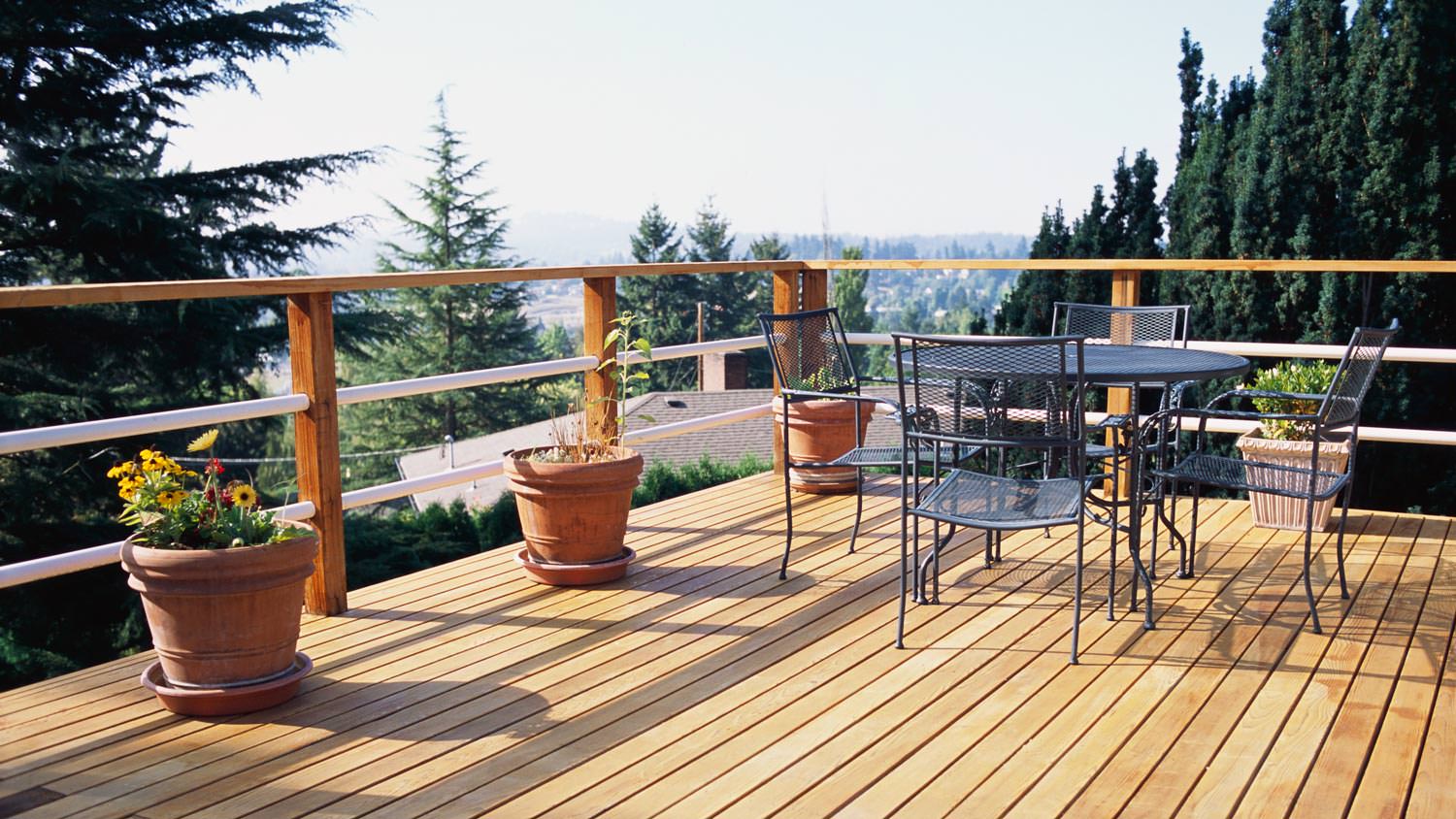
Deck problems can crop up when you least expect them. Luckily, you can fix many of the most common issues with decks on your own without expert assistance.
Do you want to add a deck that reflects the latest style? For backyard appeal, add some of these 2026 deck trends to your outdoor space.