
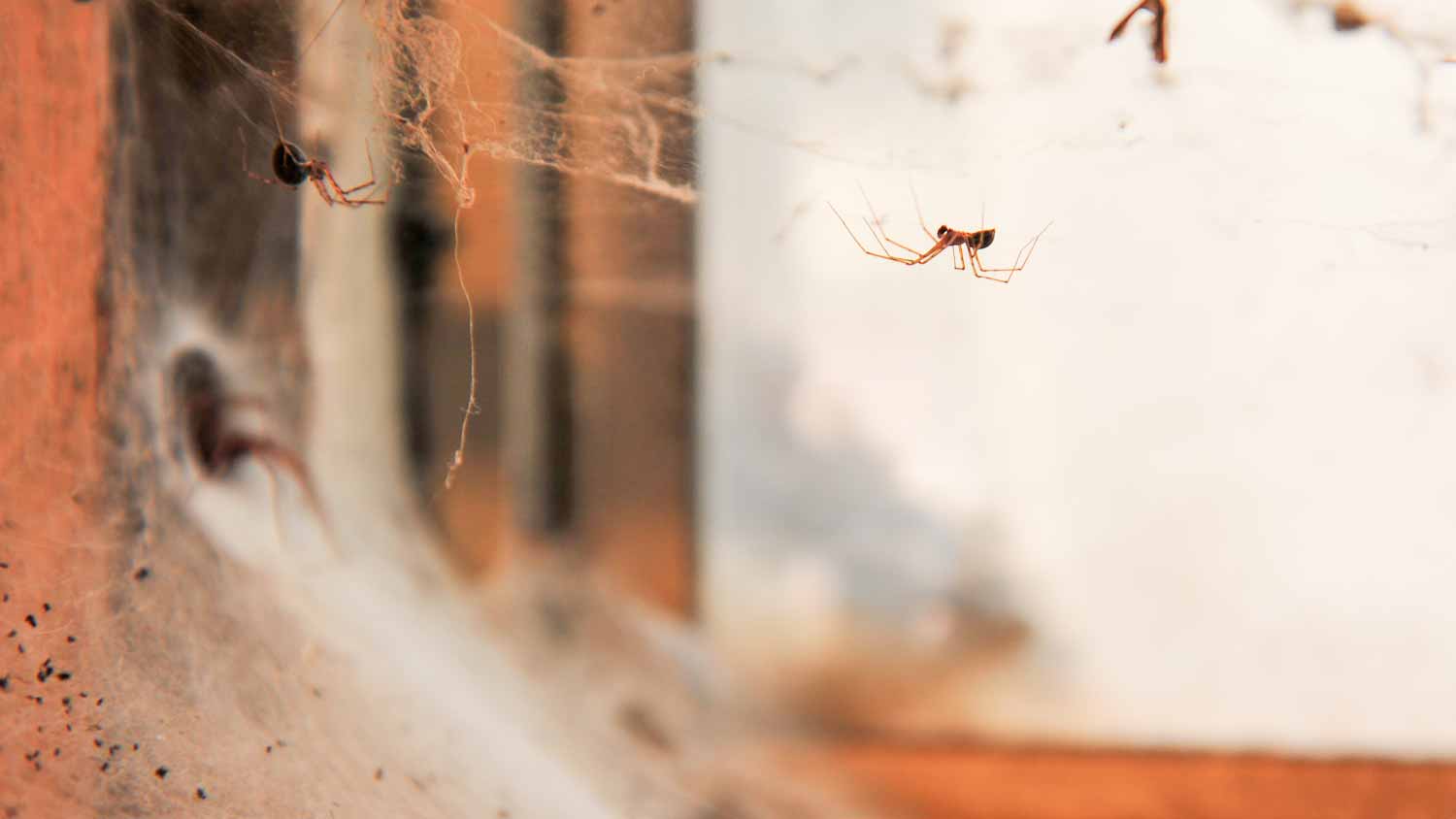
Professional spider exterminator costs vary depending on the infestation size, visit frequency, and methods. Use this guide to budget for speedy spider removal.
There are distinct differences, but you probably won’t notice until they’re in your home

A cobweb is an abandoned spiderweb, while a spiderweb refers to an active web where spiders trap prey or protect their eggs.
Cobwebs appear as tangled, three-dimensional structures in your home's corners and window sills, while spiderwebs form intricate, flat radial patterns outside.
Your choice between removal methods depends on location and activity: active spiderwebs outside serve a purpose, while indoor cobwebs only collect dust.
Hiring a local spider control professional provides reassurance when cobwebs keep reappearing, helping you identify and address spider entry points around your home.
Whether you come from a profound fear of spiders or a sincere fascination with arachnids, you might not realize there is a difference between a cobweb and a spiderweb. Discovering the differences between the two offers a greater glimpse into the fascinating and mysterious world of these eight-legged creatures. It can also make you realize you may need
You’ve likely referred to both a cobweb and spiderweb as the same, but there are a few subtle differences between them:
| Type of Difference | Spiderweb | Cobweb |
|---|---|---|
| Size | Varies | Varies |
| Location | Typically outside | Generally inside |
| Active | Yes | Abandoned spiderweb |
| Purpose | Trap prey, keep eggs | Collecting dust |
| Design | Radial silk structures | Irregular shape |

You might hear or use cobweb and spiderweb interchangeably, but technically speaking, the two aren’t the same. You might even find the number of ways they’re different surprising.
Spiders create both spiderwebs and cobwebs. However, the main difference is a spiderweb is a place where a spider is currently active. There are several types of spiderwebs, and a cobweb is one of the types of spiderwebs. The orb-weaver family of spiders creates the net-like structures we commonly associate with spiderwebs, and there are numerous spider species within the orb-weaver family.
A cobweb has a little more of a storied history behind it. In today’s vocabulary, a cobweb means the spider has abandoned the web, moved on to another location, and left behind the silky strands. Because the web is now abandoned, it has no purpose other than collecting dust.
While most of us refer to cobwebs in a general sense, the term cobweb technically refers to a type of spiderweb. Specifically, it’s a web spun by the comb-footed spider, creating a three-dimensional cobweb-like structure called a tangled web. The Theridiidae family of spiders, which includes over 200 of the House Spider species (including the Black Widow), spin the cobwebs and create these intricate, unorganized webs.
Spiders build spiderwebs for two primary purposes: they’re either trying to trap prey or protect their eggs. These silk structures provide a complex, sticky network of fibers that lend itself to trapping a wide variety of insects. Flies, moths, and mosquitos are a few examples of what you might be trapped within a spiderweb. The same is true for protecting their eggs. The silk fibers produced by spiders are so strong they measure stronger than steel, making them ideal for trapping prey and protecting eggs from other predators.
Because cobwebs are an abandoned structure, their purpose isn’t quite as meaningful. Once a spider leaves its web, the cobweb is not good for anything other than collecting dust and causing an eyesore in your home. This is why vacuuming or dusting them away is the best approach because there’s no reason to keep something around that only attracts dirt.
However, actual cobwebs (the ones created by comb-footed spiders) were created by house spiders solely for trapping insects. If you look closely at a cobweb, you’ll notice no entry or exit pattern like other spiderwebs because the point is to trap an insect and never let it leave.
Another big difference between a cobweb and a spiderweb is the location. Active spiderwebs are most often found outside, within the trees and bushes. What’s even more impressive is how spiders usually tear down their webs every day and rebuild them at night, so that’s why it may seem like you accidentally walk through a spiderweb first thing in the morning that you know wasn’t there the night before.
Cobwebs created by house spiders or abandoned webs are more likely found inside, especially in dark, undisturbed areas. You often find them in window sills, corners, and even bathrooms. While spiders typically like a dry area, you also find cobwebs in places of high humidity, such as a shower or clothesline. Because cobwebs collect so much dust and dirt, they continue growing even after the spider leaves it, thanks to the accumulation of particles.

Another more pronounced difference between a cobweb versus a spiderweb is its appearance. These are the more obvious clues and how you can tell them apart.
A spiderweb is a complex net-like structure. Unlike cobwebs, which are three-dimensional, these structures are two-dimensional (flat). The spiderweb structure is no accident, though–it’s a carefully crafted design with a circular middle part. From the center, the strands create a radial, spiral pattern, the shape we primarily associate spiderwebs with.
Not only are cobwebs three-dimensional, they’re tangled and jumbled with no distinct pattern like a spiderweb. Again, because the main goal is trapping insects, the odd, bulky, irregular shape is better suited for trapping as many insects as possible.
The strands of spiderwebs are thin, strong, and very sticky. The silk strands have a special glue and proteins, creating incredible strength. The strands of cobwebs are much more flimsy, and while they’re made of silk, they don’t have the same protein structure as a spiderweb, and it’s technically a different type of silk.
Spiderweb strands are typically a blueish or white color but can look different based on the moonlight or sunlight. Upon closer inspection (if you want to get that close), you’ll notice cobweb strands come in a bigger variety of colors, including white, brown, gray, or black.
A reliable team for moves across state. My switch to a new place needed careful lifting through tight hallways. The movers checked the doorway first, then carried heavier pieces with slow, controlled movements. Their patience helped prevent damage, and I?d choose them again.
This company does it right. Firstly, I want to say that Landan was a joy to work with. He was so kind, transparent, and had everything under control. His entire team showed up ready to work and they were all very respectful of the fact that we were in an office space. A little backstory – we...
 Krumlauf Floors
I had FabClean 614 clean my apartment, and she did an outstanding job. She was so professional and efficient. My apartment looks absolutely spotless every surface, every corner, all cleaned to perfection. Definitely highly recommend FabClean 614 if you're looking for top-notch cleaning...
 Fab Clean 614
Raven and crew does absolutely fantastic job. They are very professional if any concerns were to occur with any of her work she always took responsibility and finished out with a great job. I have worked with her business for a year and have always been satisfied. Very trusted business and...
 Creations of Transformation LLC
I would recommend this company to anyone! He showed up on time, was friendly, completed a very difficult repair on our dryer vent cover, was responsive, and pricing was extremely fair and competitive. I would have him back to do any of our repairs or cleanings without hesitation!
 U.S.A. Dryer Vent, LLC
Best cleaning I've had at my property
Ace Fireplace Services' chimney sweep service is truly exceptional. They used advanced technology to ensure a thorough cleaning process, and my chimney has never looked better. I highly recommend their services.
 Ace Fireplace Services
This company went above and beyond with their work, chimney sweeps are usually pretty messy, but the clean up was spot on.!! Josh explained every thing that he was doing, and the things that he was checking to make sure the chimney was safe for me and my family. He was very professional,...
 Supreme brick & chimney
Good workers and they do a good job.
 Mira Construction
Mary Cleaning Service is fantastic! The entire team is professional and pay a great deal of attention to detail. They do such a thorough job of cleaning my house. I would definitely recommend!
From average costs to expert advice, get all the answers you need to get your job done.
Professional spider exterminator costs vary depending on the infestation size, visit frequency, and methods. Use this guide to budget for speedy spider removal.
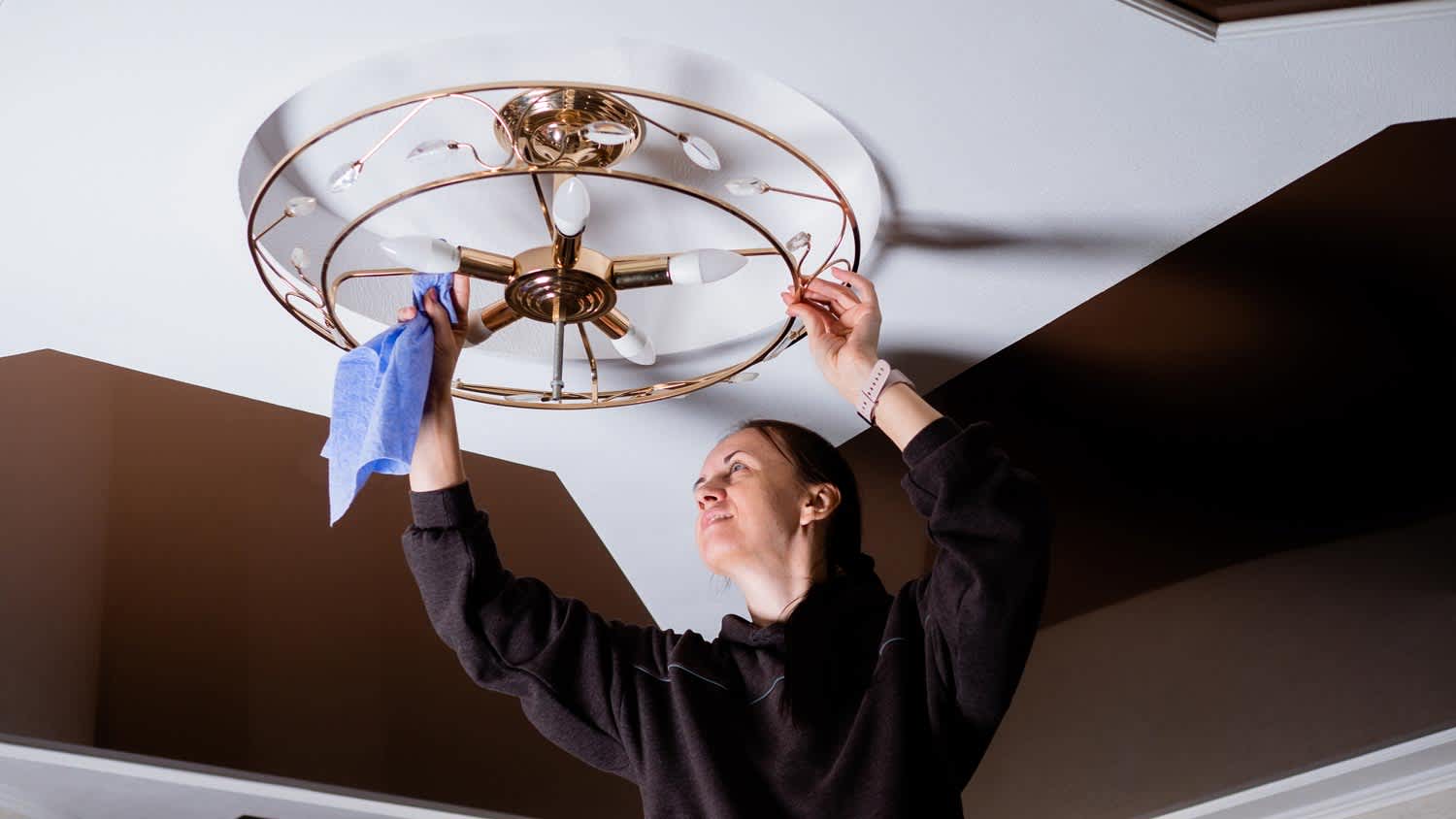
Spiders are not the worst houseguests to have, but spider webs and cobwebs sure are frustrating. Follow this guide to delete the unwanted webs for good.
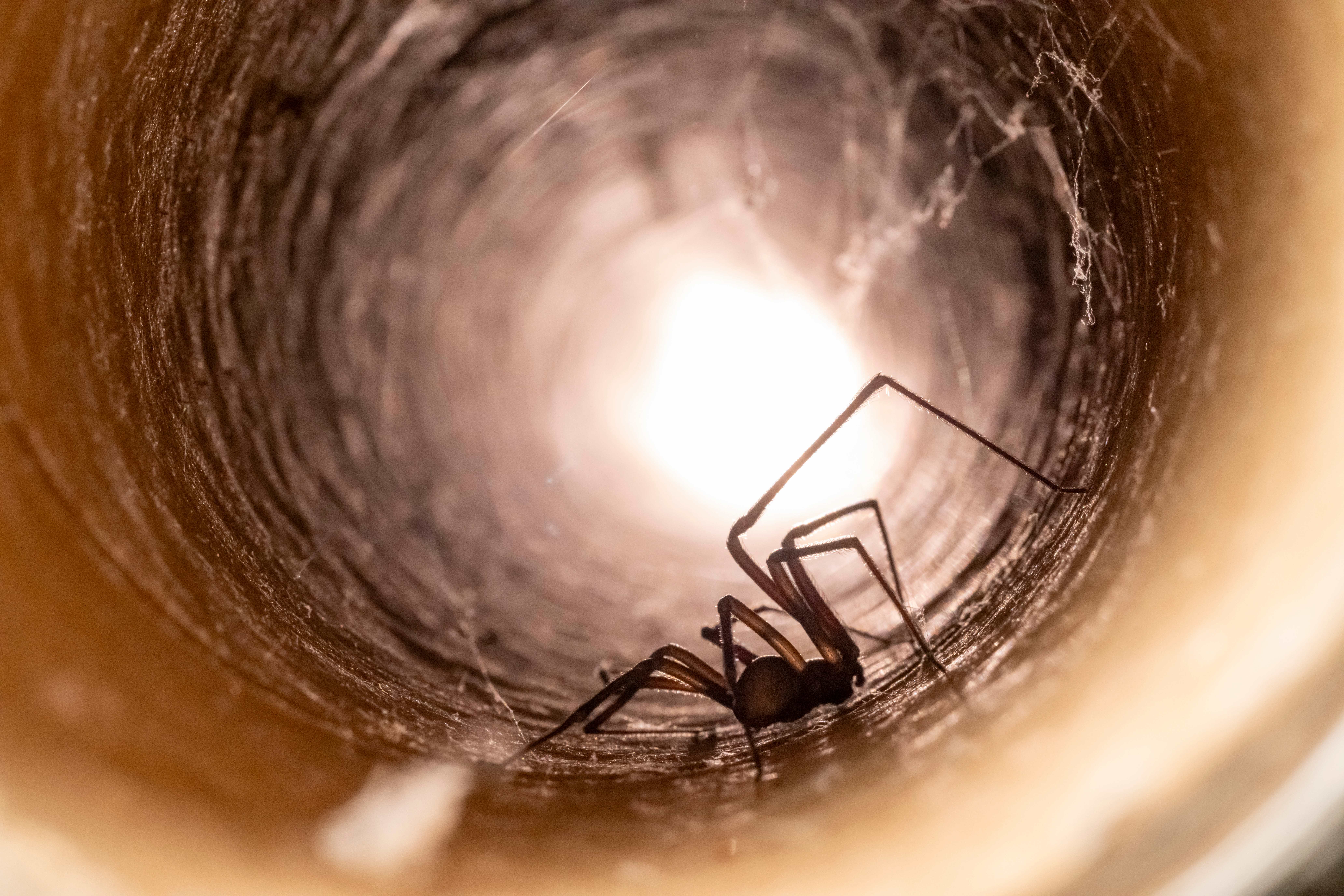
Is it a grass spider or brown recluse? Compare size, color, webs, and bites to see which spider is harmless and which one needs caution.
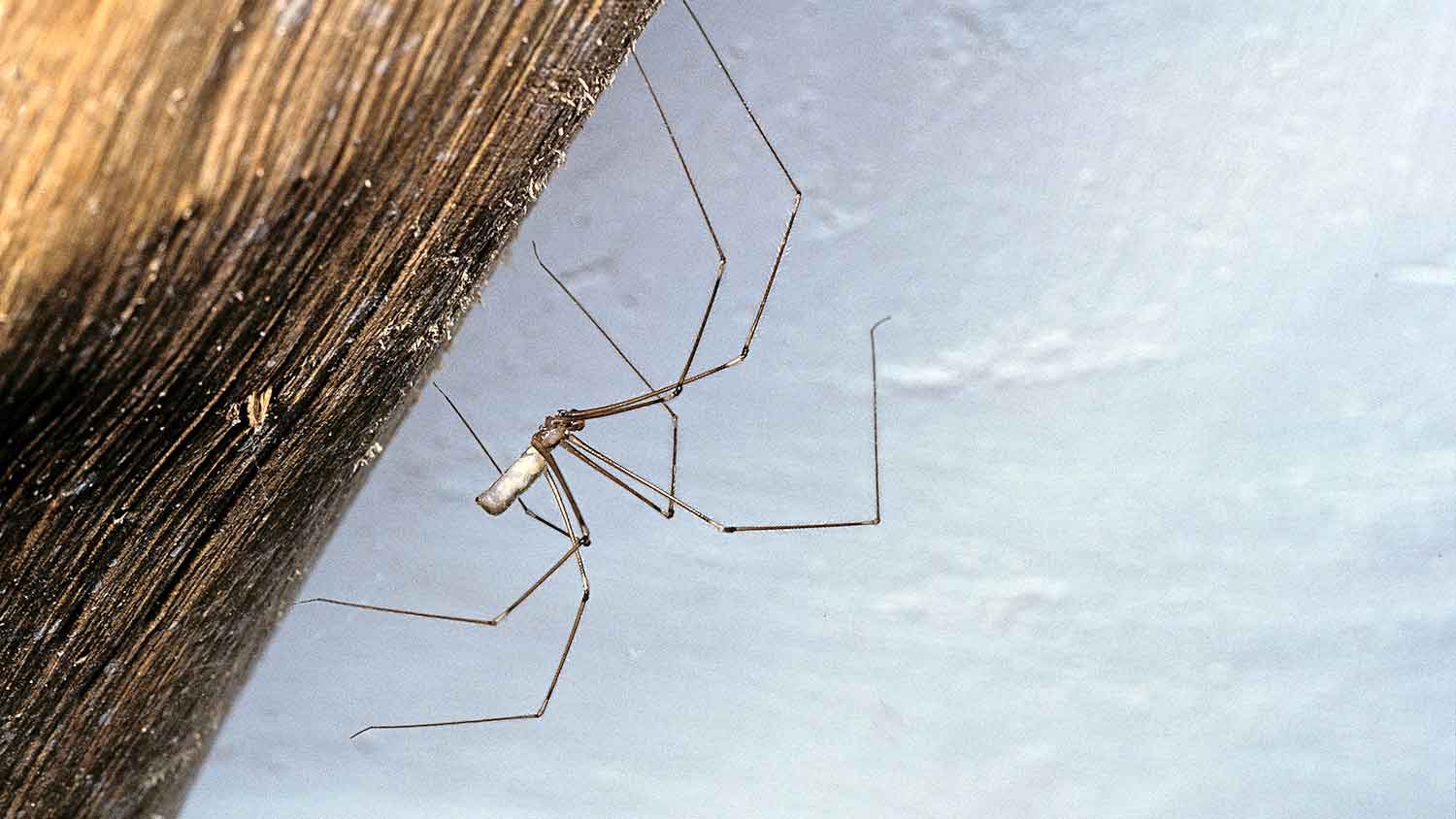
Learn about the types of spiders lurking in your home, from what attracts these houseguests to tips for keeping them out and making them leave.
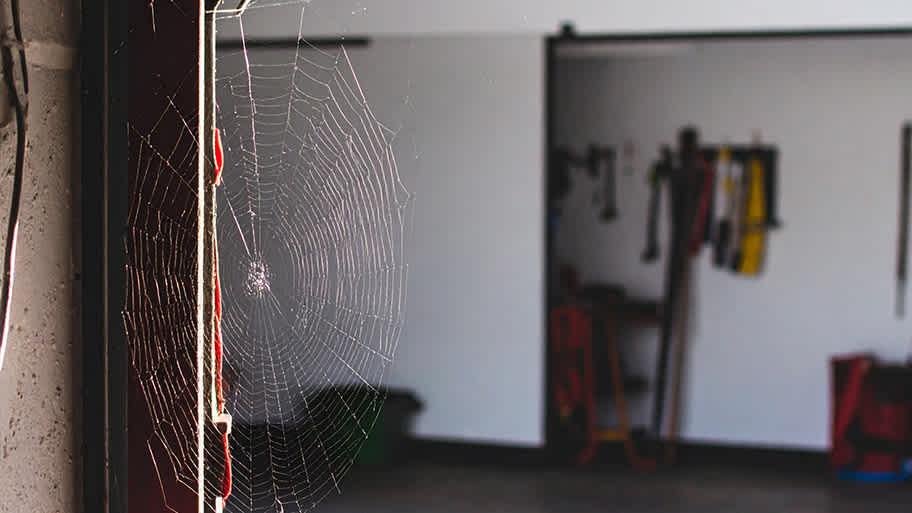
Cellar spiders are often confused with the much more dangerous brown recluse. Read on to learn what makes these two arachnids both similar and totally different.
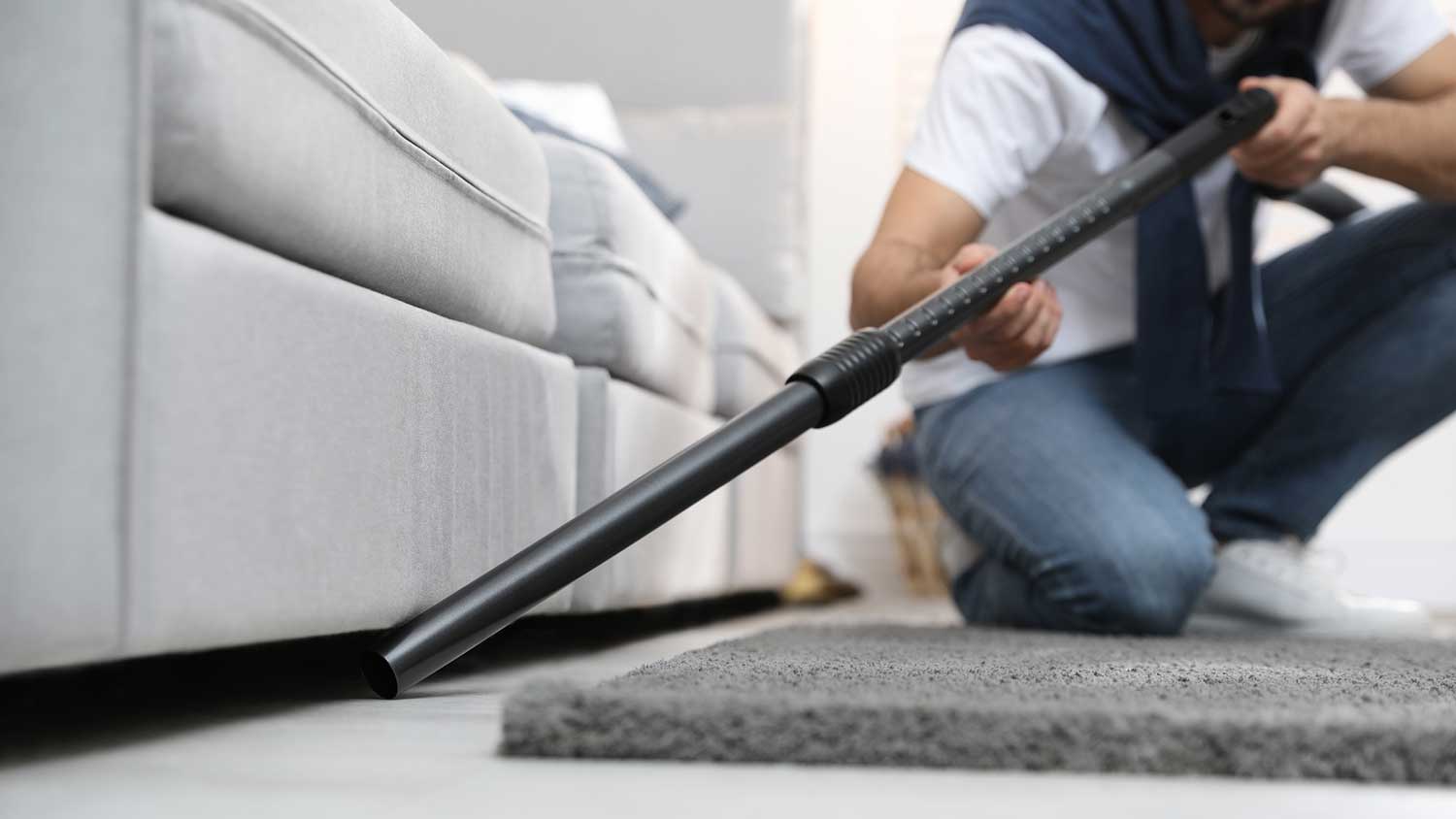
Identifying a hobo spider is the first step toward eliminating these pests. Our tips will help you spot any hobo spiders inside your home.