
•
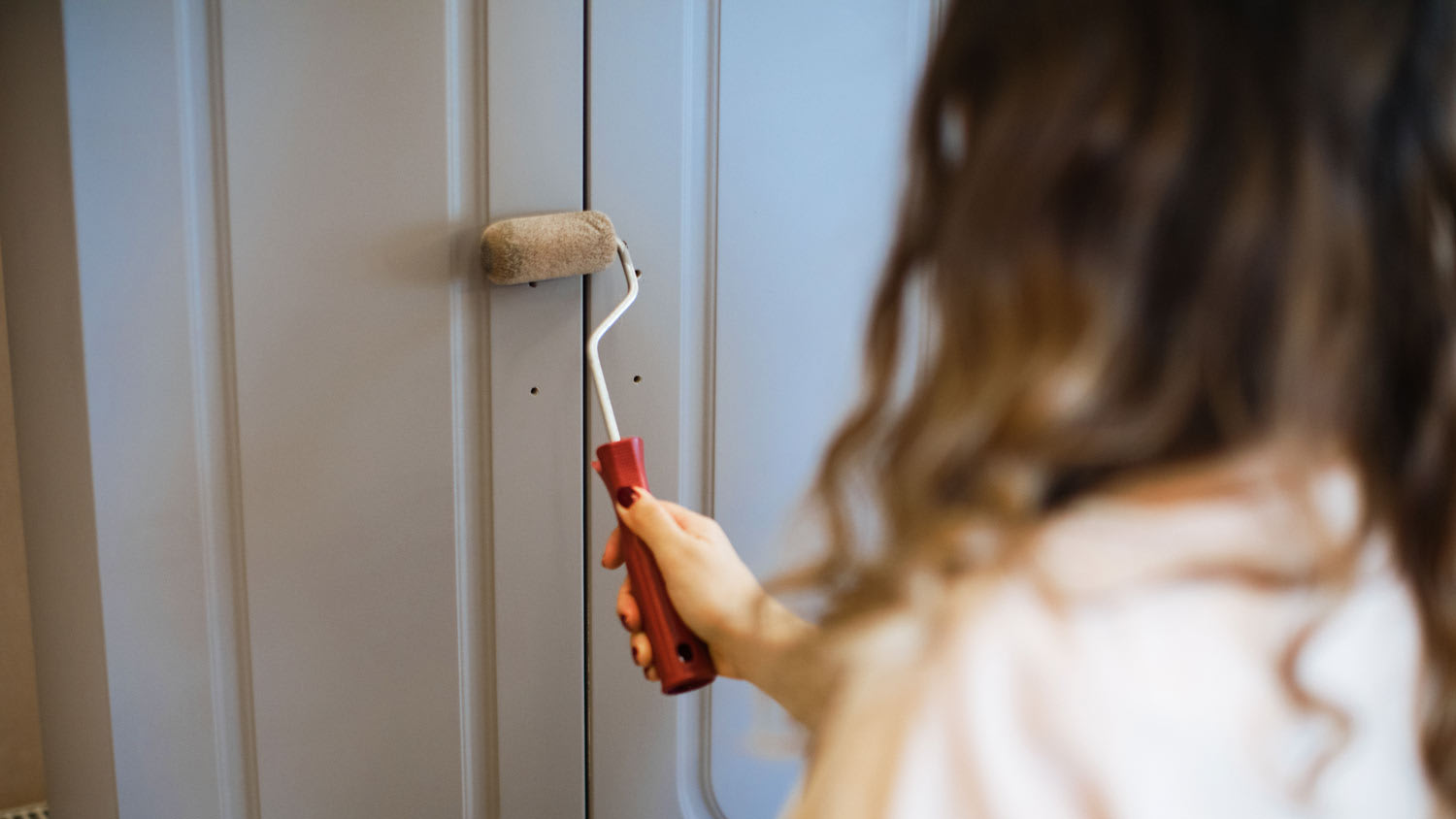
Discover the cost to paint kitchen cabinets, including average prices, cost factors, and tips to help you budget and save on your next kitchen update.
The answer depends on the material

Steam cleaning kitchens works safely on sealed wood cabinets, but you should avoid using it on unsealed wood, plywood, MDF, or laminate materials.
Cabinet replacement costs $2,010 to $11,060, while refacing averages $7,230 and refinishing costs around $3,120 for restoring damaged cabinets.
You can clean your cabinets effectively using dish soap and warm water, white vinegar solutions, or baking soda paste for stubborn stains.
Hiring a local house cleaning professional provides expert care for your cabinets using the right equipment and methods for your specific cabinet material.
Your kitchen cabinets are exposed to many different substances, from dust and dirt to grease and food stains. This can make it hard to keep them clean. If you have a steam cleaner, you might wonder, “Can you steam clean kitchen cabinets?” The exact answer depends on your cabinet material. We’ve broken down when to use a steam cleaner on your cabinets and when to avoid this cleaning method.

Steam cleaners can safely be used on sealed wood kitchen cabinets. To deep clean your cabinets, follow these steps:
Empty your cabinets and wipe them down with a damp cloth.
Plug in the steam cleaner and let it heat up to the medium setting.
Attach a nozzle to the steam cleaner.
Starting from the top of your cabinets, slowly work your way down, loosening dirt with the steam as you go.
Wipe the cabinets with a microfiber cloth to remove the dirt as the steam loosens it.
Repeat the process on any remaining dirt, using a soft brush attachment to work the dirt loose.
You can use the steam cleaner on both the inside and the outside of kitchen cabinets as long as they are made from sealed wood.
Kitchen cabinets made from unsealed wood, plywood, medium-density fiberboard (MDF), or laminate should never be cleaned with a steam cleaner. Steam can warp these materials and cause permanent damage.
This is because plywood, laminate, and MDF are made from several layers of material. When exposed to steam or humidity, the layers can start to separate, warping over time. The cabinets' life span will be shorter, and you’ll need to spring for replacements sooner rather than later. Installing new kitchen cabinets costs between $2,010 and $11,060, or an average of $6,385.
A professional cleaning service near you can help keep your cabinets clean using the right cleaning equipment and supplies. Alternatively, you can look into ways to clean your cabinets without using steam to help prolong their life.

If you can’t use steam on your kitchen cabinets, there are other ways to keep them looking spotless.
Dusting: Run a lint-free duster over your kitchen cabinets a few times each week to remove grime and prevent excessive buildup.
Soap and water: A simple solution of 1 tablespoon of dish soap mixed with 1 quart of warm water can clean your cabinets so they look new. Wet a clean cloth in the solution, then wring it out and wipe down the cabinets and handles. Finish by wiping down the cabinets with a cloth soaked in clean water to remove the soap residue, then dry with a clean cloth.
Vinegar and water: Mix 1 cup of white vinegar and 2 cups of warm water to eliminate grease from your kitchen cabinets. Soak a cloth in the mixture, wring it out, and then wipe down the cabinets. Wipe stubborn grease stains with undiluted white vinegar on a cloth. Rinse with warm water and dry thoroughly.
Vinegar and baking soda: Combine 1 tablespoon each of baking soda and vinegar to make a paste. Apply the paste to stains on your kitchen cabinets using a clean, damp cloth and let it sit for a few minutes. Scrub with a soft-bristle brush or a washcloth, then rinse with clean water and dry.
When properly cared for, kitchen cabinets can last up to 50 years. Follow these tips to keep your cabinets looking as good as new for longer.
Check the manufacturer’s instructions to determine how to clean your cabinets best.
Avoid using abrasive cleaners, which can damage your cabinets.
Avoid products that contain alcohol, ammonia, bleach, or polishes, as they can damage the finish.
Test a small, inconspicuous area of your cabinet with your steam cleaner before cleaning the entire surface.
Avoid using steam if you’re unsure what material your cabinets are made from.
Wipe up spills immediately to prevent staining or other damage.
If your cabinets are damaged, you can reface them or replace them entirely. The cost of kitchen cabinet refacing is an average of $7,230, though the total could be as little as $4,240 or as much as $10,220, depending on the material and the project scope. Refacing involves replacing the cabinet doors and drawer fronts while keeping the interior cabinet boxes. Cabinet refinishing costs less at an average of $3,120. It involves stripping, cleaning, sanding, and painting or staining your cabinet fronts to give them new life.
I had FabClean 614 clean my apartment, and she did an outstanding job. She was so professional and efficient. My apartment looks absolutely spotless every surface, every corner, all cleaned to perfection. Definitely highly recommend FabClean 614 if you're looking for top-notch cleaning...
 Fab Clean 614
Best cleaning I've had at my property
Fantastic group, very communicative, and they really did a great job cleaning my condo. Will be hiring them for recurring cleaning!
 eMaids of Northern Columbus
Ace Fireplace Services' chimney sweep service is truly exceptional. They used advanced technology to ensure a thorough cleaning process, and my chimney has never looked better. I highly recommend their services.
 Ace Fireplace Services
100% satisfied with the work done by Supreme Brick & Chimney. Josh responded to my Angi request very quickly and squeezed our house into his schedule only a couple business days out. The chimney cleaning process was extremely clean with ZERO dirt going anywhere besides in Josh's vacuum. Very...
 Supreme brick & chimney
Excellent the crew was great did what I ask cleaned up and the price was awesome
 All Star Paving and Sealing
On time, clean and finished fast. Windows seem sturdy and the finish is good. Caulking was done with no smudges. Would recommend.
 Window Depot USA of Central Ohio
I definitely recommend Ramonaâ s cleaning service! I have booked services with her many times and she arrives on time, ready to work and provides a great service.
 Your Cleaning Solutions LLC
Mary Cleaning Service is fantastic! The entire team is professional and pay a great deal of attention to detail. They do such a thorough job of cleaning my house. I would definitely recommend!
It was just fine. They did a good job. They cleaned what needed to be cleaned.
 Dezired Cleaners LLC
From average costs to expert advice, get all the answers you need to get your job done.
Discover the cost to paint kitchen cabinets, including average prices, cost factors, and tips to help you budget and save on your next kitchen update.
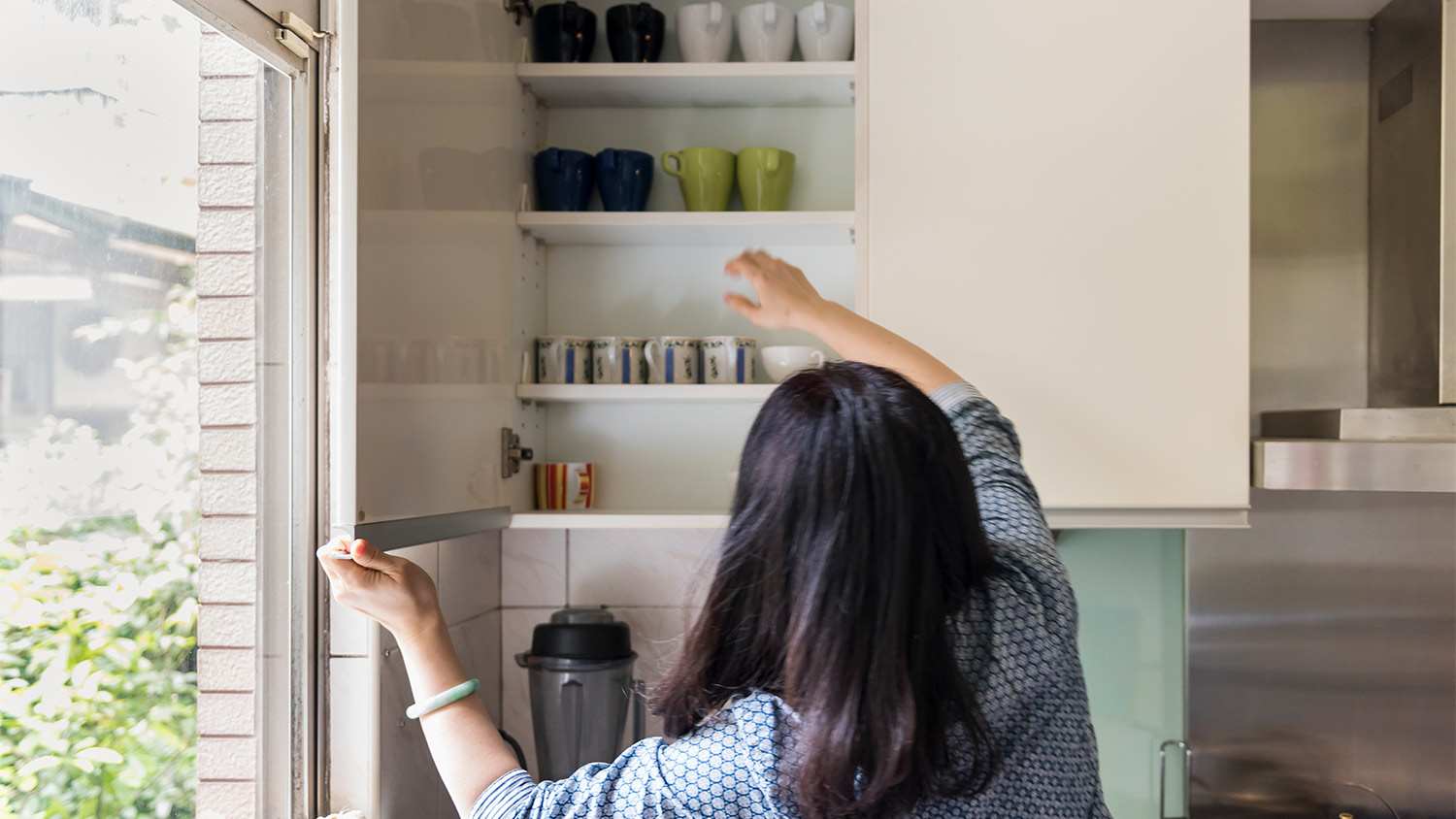
Kitchen cabinets can get grimy and dirty with everyday use. Learn how to clean kitchen cabinets to keep your kitchen looking great.
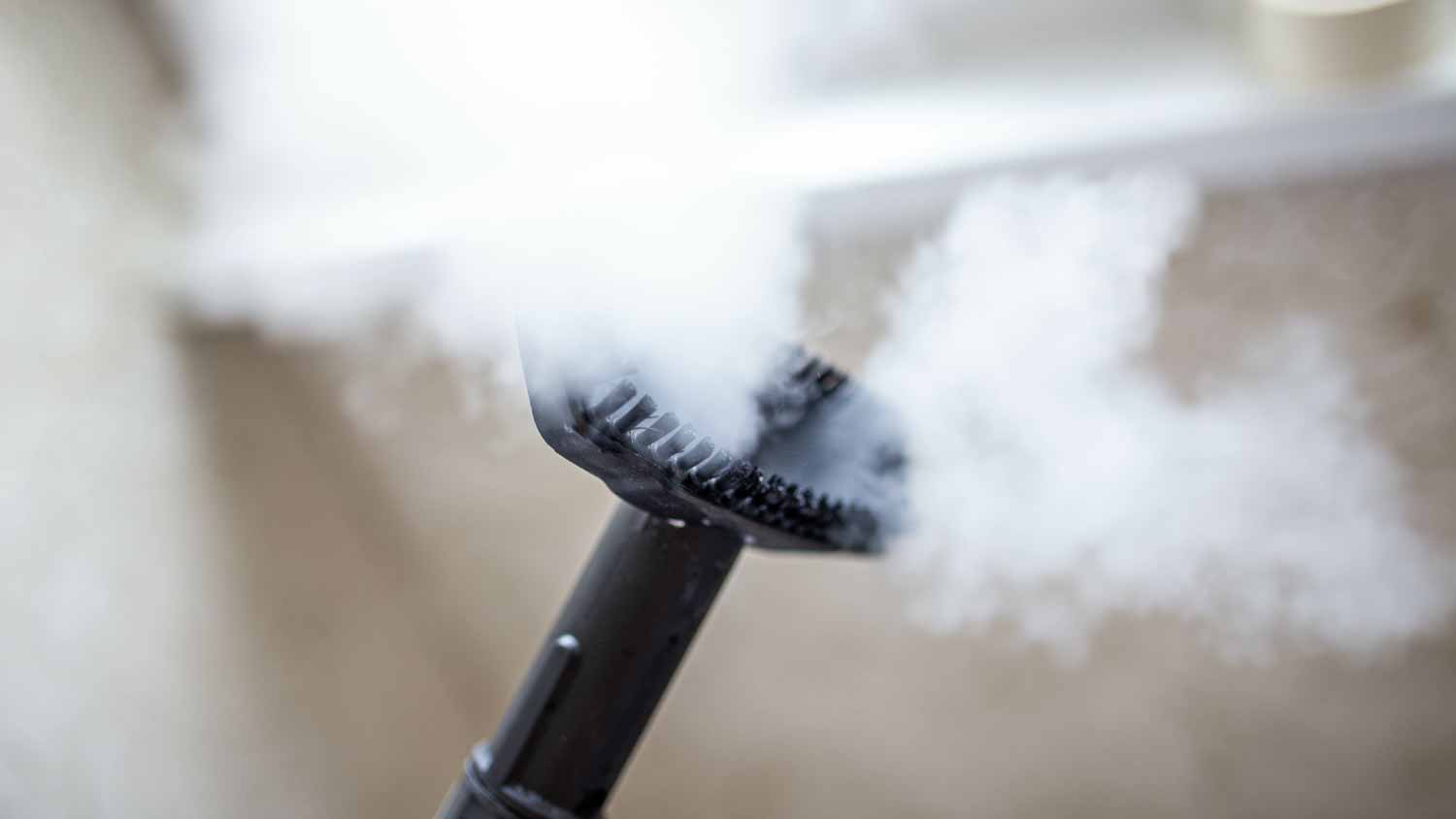
Steam cleaning makes your floors feel spotless without harsh chemicals. However, certain areas benefit from steam more than others. Here’s what you can clean with a steam cleaner.
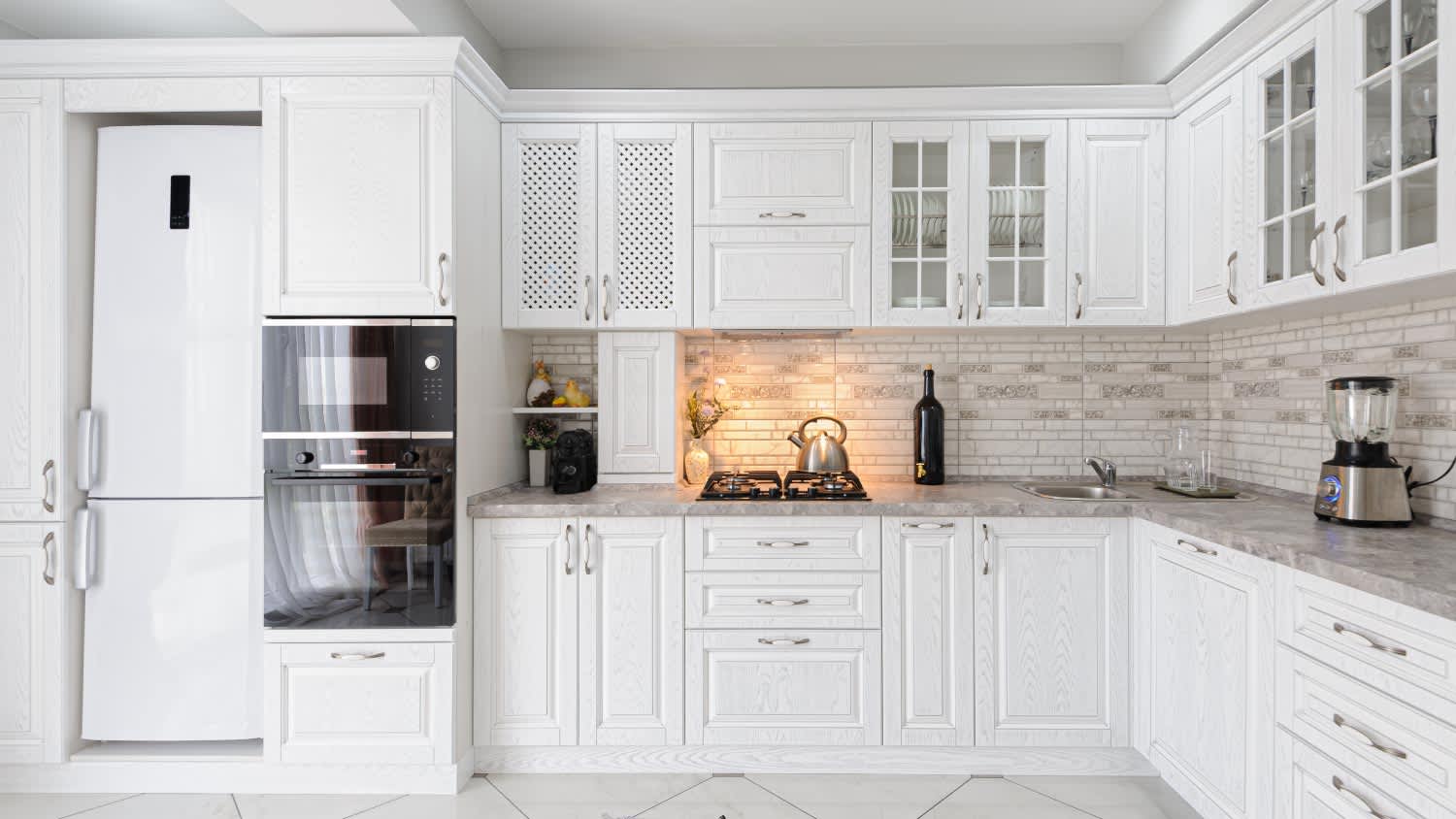
The secret to keeping the kitchen feeling fresh for years to come is regular cleaning and maintenance. Here’s how to maintain that new kitchen look.
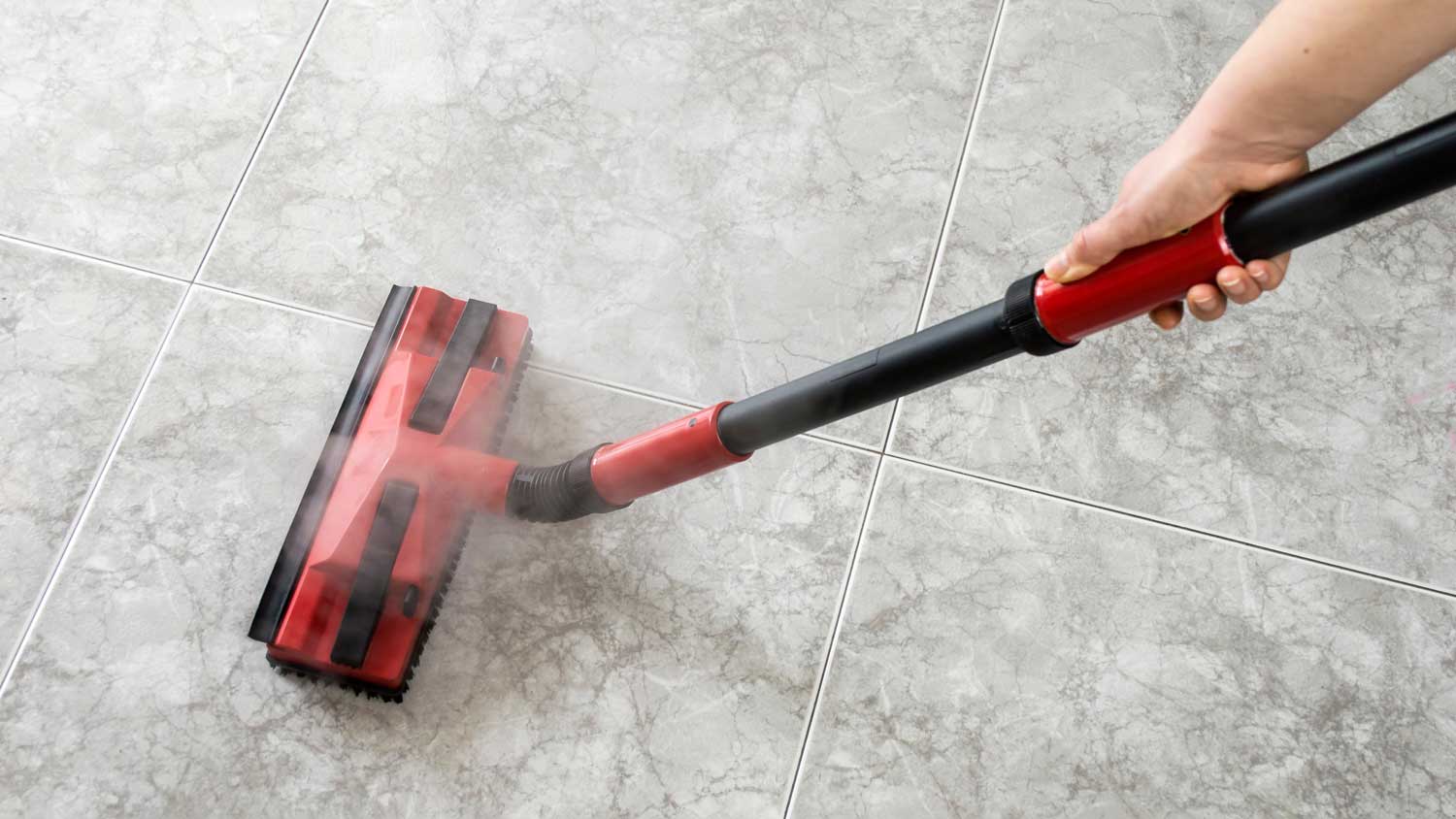
Steam cleaning is effective on certain kinds of tile floors. Read our guide to learn the ins and outs of steam cleaning and see if it’s suitable for your floor.

Cleaning an oven can be effortless, less time-consuming, and result in it being as good as new, our guide will show you how easy it is.