•
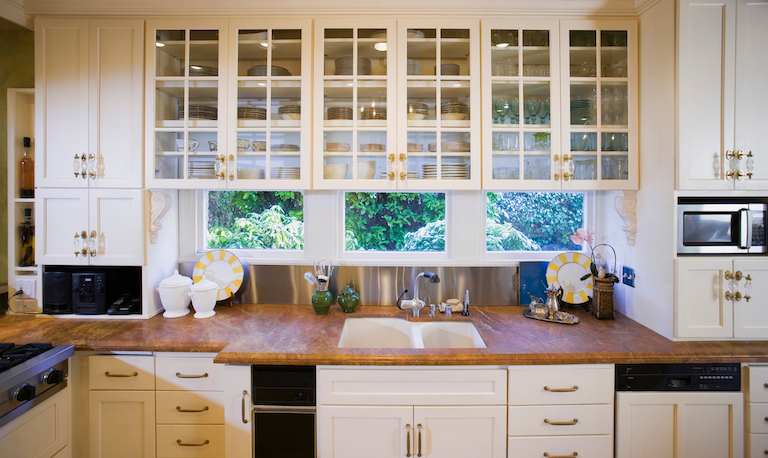
Discover custom cabinets cost for your home. Learn about average prices, installation factors, and ways to save on your custom cabinetry project.
Cabinet making costs depend on your project and location. Check with a local pro for your specific job.


Built-in cabinet installation costs between $2,000 and $7,500, with most homeowners spending around $4,500 for your custom cabinetry project.
Cabinet size and style impact your final total, with custom options costing more than stock or semi-custom built-ins.
Account for permits ranging from $50 to $400 and add-ons like integrated lighting or decorative trim when creating your budget.
Hiring a local cabinet professional ensures your built-in cabinets are installed correctly and boosts your home value with quality craftsmanship.
This article was created using automation technology and thoroughly fact-checked and edited by an Angi Editor in accordance with our AI policy.
In 2026, the national average cost for built-in cabinet installation is $4,500. Most homeowners spend between $2,000 and $7,500, with prices driven by cabinet size, materials, and level of customization. Expect to pay $200 to $600 per linear foot for built-in cabinets, depending on your choices and the scope of your project.
Several factors influence the final price of your built-in cabinets, from size and materials to labor and location. Understanding these helps you budget accurately and avoid surprises.
Cabinet size is one of the biggest factors influencing the cost of your built-in cabinets, since height, width, and depth directly affect how much material and labor your project requires. Small projects like a window seat or compact bookcase are more budget-friendly than large, custom wall-to-wall units or expansive entertainment centers. Ceiling-height and floor-to-ceiling designs require more materials and installation time, increasing your total investment.
Style has a major impact on built-in cabinet costs, with common options including bookcases and entertainment centers, mudroom cabinets, window seats, office built-ins, and pantry cabinets. Stock cabinets are the most affordable but least adaptable, while semi-custom options offer more flexibility at a moderate price. Custom cabinets are the most expensive due to their tailored fit and features, and specialty additions such as glass doors, integrated lighting, or adjustable shelving further increase costs.
The table below breaks down the average cost of built-in cabinets based on style:
| Cabinet Style | Description | Average Cost in 2026 | Pros | Cons |
|---|---|---|---|---|
| Bookcase | Open shelving for books/displays | $1,500 | Simple, versatile, affordable | Limited storage for hidden items |
| Entertainment center | Custom TV/media wall units | $4,000 | Maximizes space, tailored storage | Costly with more features |
| Mudroom cabinets | Lockers, benches, shoe storage | $2,500 | Great for organization, durable | Can require extra site prep |
| Window seat | Built-in bench with storage | $1,200 | Adds seating/storage, cozy aesthetic | Limited to specific window areas |
| Office built-ins | Desks, shelving, file storage | $3,500 | Boosts productivity, custom fit | Higher cost with integrated features |
| Pantry cabinets | Kitchen or utility room storage | $2,800 | Improves kitchen function | Needs careful planning for fit |
Where you live and where you install your built-in cabinets both affect your project budget. Labor rates and material costs are higher in urban areas and regions with an elevated cost of living, and custom cabinetry is more expensive in markets where skilled cabinetmakers are in short supply. Within your home, kitchens and living rooms often require more complex installations than mudrooms or bedrooms. Installing cabinets in hard-to-access spaces or on upper floors can further increase labor and delivery costs.
Labor rates for built-in cabinet installation range from $50 to $150 per hour, depending on region and experience, and account for 30% to 50% of your total project cost. Carpenters, cabinetmakers, and general contractors all handle these projects, with rates varying by trade and local market. Complex projects, custom finishes, and detailed trim work push labor charges higher, especially in urban and high-demand areas. Installation can take two days for a small project or a week or more for large, customized built-ins.
Permits for built-in cabinet projects cost $50 to $400, depending on your area and the scope of work involved. Permits are typically required when a project includes structural changes, electrical work, or plumbing. Always check local building codes before starting, since permit fees add directly to your overall built-in cabinets cost.
Upgrades and add-ons can quickly increase your budget. Popular features include:
Integrated lighting or electrical outlets
Soft-close hardware and pull-out shelves
Glass doors, crown molding, or decorative trim
Technology integration, like charging stations
Each feature adds material and labor costs, so prioritize what matters most for your needs.
Beyond installation, there are ongoing expenses to plan for with built-in cabinets, including warranties, maintenance, and operating costs.
Most built-in cabinets come with manufacturer or installer warranties covering materials and workmanship for one to ten years. Extended or upgraded warranties cost extra but can protect your investment over the long term. If you are planning a high-value custom installation, ask your contractor about warranty options before signing a contract.
If your built-in cabinets include integrated lighting or appliances, expect minor ongoing electricity costs as part of your budget. Energy-efficient LED lighting can lower your utility bills compared to standard bulbs. Specialty bulbs or hardware may need replacement over time, adding small but recurring expenses to your ownership costs.
Built-in cabinets require routine care to look their best, and annual maintenance costs are typically low—often under $100 unless major repairs arise. Regular dusting and gentle cleaning preserve finishes, while repainting, refinishing, or minor repairs, such as hinge replacements, may be needed over time. Staying on top of small issues early helps you avoid more costly repairs down the road.
Sales tax applies to materials and sometimes labor, depending on your state. Local tax rates can impact your total built-in cabinet cost, so include this in your budget.
Notify your homeowner's insurance provider when you invest in built-in cabinets, especially for high-value custom projects. Adding valuable cabinetry may change your policy's replacement limits or premiums, so it is worth a quick call before installation is complete. Coverage protects against loss or damage from events like fire or water leaks.
Some homeowners consider building and installing their own cabinets to save money. DIY built-in cabinets cost less since you avoid labor charges, but you'll need the right tools, skills, and plenty of time.
DIY projects require purchasing all materials, hardware, and any specialty tools. Mistakes can lead to wasted materials or safety issues. Professional installation ensures quality, longevity, and warranty protection. For complex projects or when you want a flawless finish, hiring a local pro is often the better choice.
Here is a breakdown of DIY versus professional costs for built-in cabinets based on project type:
| Project Type | DIY Cost in 2026 | Pro Cost in 2026 | Labor Savings | Skill Level Required |
|---|---|---|---|---|
| Small bookcase | $400 | $800 | $400 | Intermediate |
| Mudroom lockers | $1,200 | $2,500 | $1,300 | Advanced |
| Entertainment center | $1,800 | $4,000 | $2,200 | Advanced/cabinetmaking |
| Full wall unit | $3,500 | $7,500 | $4,000 | Expert |
Deciding whether to repair or replace built-in cabinets depends on the extent of damage and your goals. Minor issues—like loose hinges, scratched surfaces, or worn hardware—can often be repaired at a modest cost. Major structural damage, outdated styles, or poor functionality often mean replacement is the smarter investment.
If repairs exceed 50% of replacement cost, replacing is recommended. Age, warranty coverage, and your plans for the home all play a role. Repairing is more environmentally friendly, but new cabinets can improve value and aesthetics.
Built-in cabinets are a smart investment for many homeowners. The return on investment ranges from 60% to 80%, depending on quality, design, and location. Custom built-ins boost home value, appeal, and functionality—especially in living rooms, kitchens, and home offices.
Compared to other home improvements, built-in cabinets offer strong ROI and daily utility. Factors like timeless design, durable materials, and buyer preferences influence resale value. Built-ins also support universal design and safety by reducing clutter and maximizing usable space. Over time, homes with well-designed built-in cabinets often sell faster and for higher prices.
You can control built-in cabinets cost with a few strategic choices:
Choose cost-effective materials or finishes, like plywood or laminate instead of solid hardwood.
Limit customization to essential features that truly improve function.
Opt for semi-custom or stock cabinets for standard spaces.
Get multiple quotes from local pros to compare pricing and options.
Schedule installation during off-peak seasons for possible discounts.
Handle demolition, site prep, or painting yourself if you are comfortable.
Reuse or repurpose existing cabinetry components when possible.
Avoid unnecessary add-ons or upgrades that do not add real value.
Home is the most important place on earth, which is why Angi has helped more than 150 million homeowners transform their houses into homes they adore. To help homeowners with their next project, Angi provides readers with the most accurate cost data and upholds strict editorial standards. We extensively research project costs to develop the pricing data you see, so you can make the best decisions for you and your home. We rely on reputable sources, including the U.S. Bureau of Labor Statistics, academic journals, market studies, and interviews with industry experts—all to ensure our prices reflect real-world projects.
Want to help us improve our cost data? Send us a recent project quote to [email protected]. Quotes and personal information will not be shared publicly.
Terrible experience. Walls/trim/floors/cabinets/doors all have drip marks, overspray, etc. Tiling at the fireplace had to be redone by another vendor due to incorrect and shoddy install by Profect. Contractor had his children in our house while he was on site without prior authorization or...
 Profect painting & exteriors
My kitchen cabinets look brand new thanks to Custom Paint Jobs LLC. Their refinishing is exceptional.
 Custom Paint Jobs, LLC
If I could give 10 stars for Kitchen Tune Up, I would. I cannot say enough good things about my experience with Kitchen Tune Up and the entire team involved in the process of my kitchen project. They went above and beyond as far as service and quality with my cabinets, paint, countertops, and...
We live in a condo and had space to add a tall cabinet. The problem was the space was already occupied by our catsâ litter box. We needed to still keep the litter box in that same corner. Beiler Custom Cabinets was able to work with our need and design request. What was created was an...
 Beiler Custom Cabinets, LTD
Absolutely amazing, Rob and his team are extremely efficient and professional. Pink Dumpster Rentals, Demolition, And Hauling is a go to for getting my property cleared up so we can pursue the upgrades we want to make on our home.
 Pink Dumpster Rentals, Demolition, And Hauling
They work that 360 did on my kitchen cabinets is nothing short of amazing. I still cannot believe the difference from before and after. Jon and Jeff were both so incredibly professional throughout the whole process and their communications with me were constant and consistent. These guys...
 360 Painting Columbus
I had a variety of projects around my house. The work was done quickly and correctly. I was kept informed of every step during the projects and they followed up with me to make sure it was all good.
 House Doctors
Phil understood the style I wanted and suggested options for materials (unlike the standard kitchen folks who kept pushing the same cabinets everyone buys). He stepped through all the decisions about the details with me, using his computer program to show the differences between the choices....
 Baker Group Remodeling
I had a great experience with this company. They installed a small TV on the wall of my kitchen between two cabinets. Team came out and did a very thorough inspection and quote. The rep who installed the TV had to do some extra work to snake the cords behind the wall from the top cabinets...
 The Theater People
I couldn't be more pleased with the job Ryan and his team did! My old oak kitchen cabinets now look like brand new white ones. They were able to provide an estimate based on my photos that was far below other companies I checked with, and that was the final price too. They were able to come...
 Rhino Painting & Color Consulting LLC
From average costs to expert advice, get all the answers you need to get your job done.
Discover custom cabinets cost for your home. Learn about average prices, installation factors, and ways to save on your custom cabinetry project.
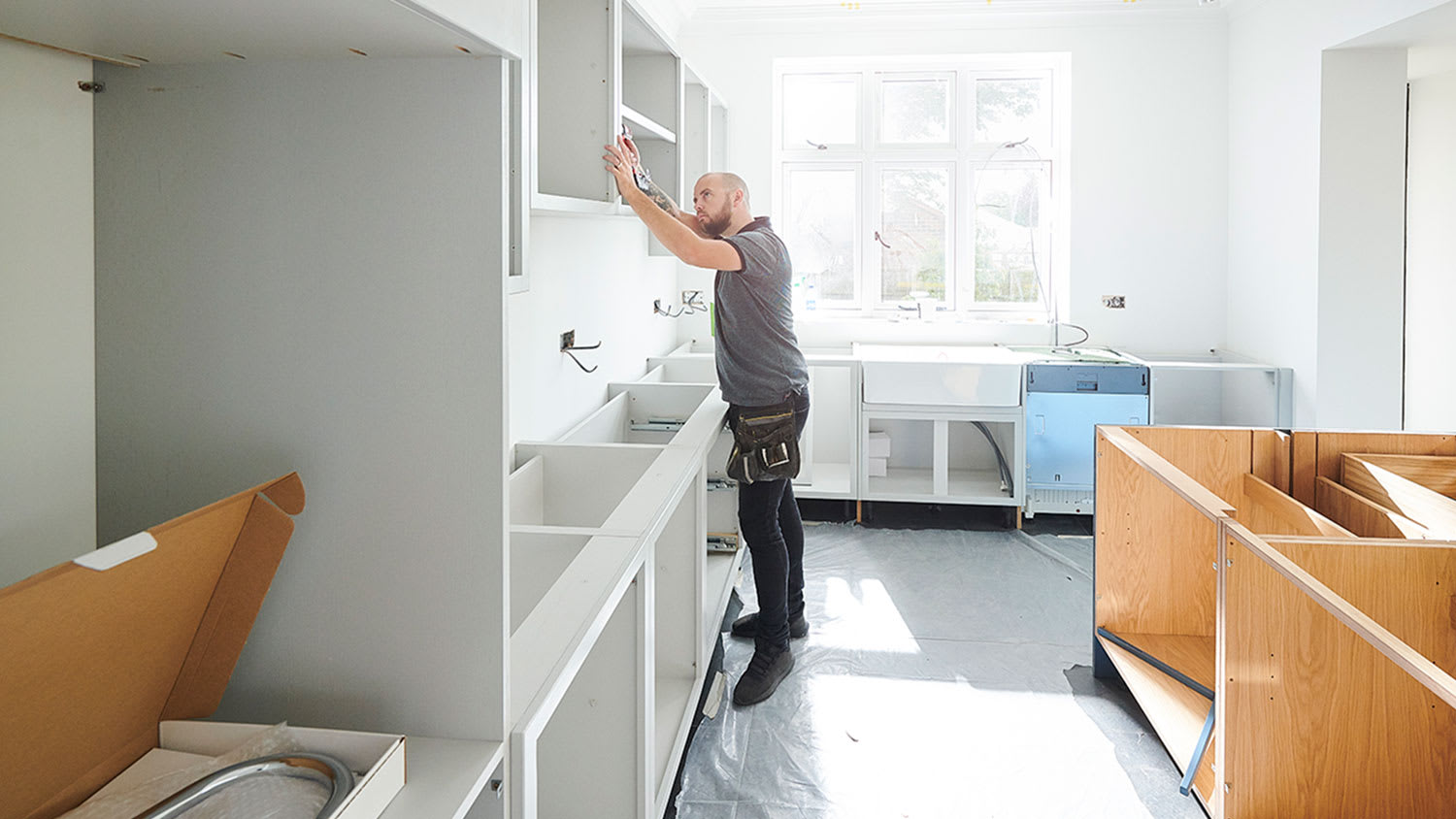
Discover cabinet installation cost estimates, including average prices, key cost factors, and tips to save on your new kitchen or bathroom cabinets.

Discover the built in bookcase cost for 2026. Learn about price ranges, installation factors, and ways to save on your custom built in bookcase project.
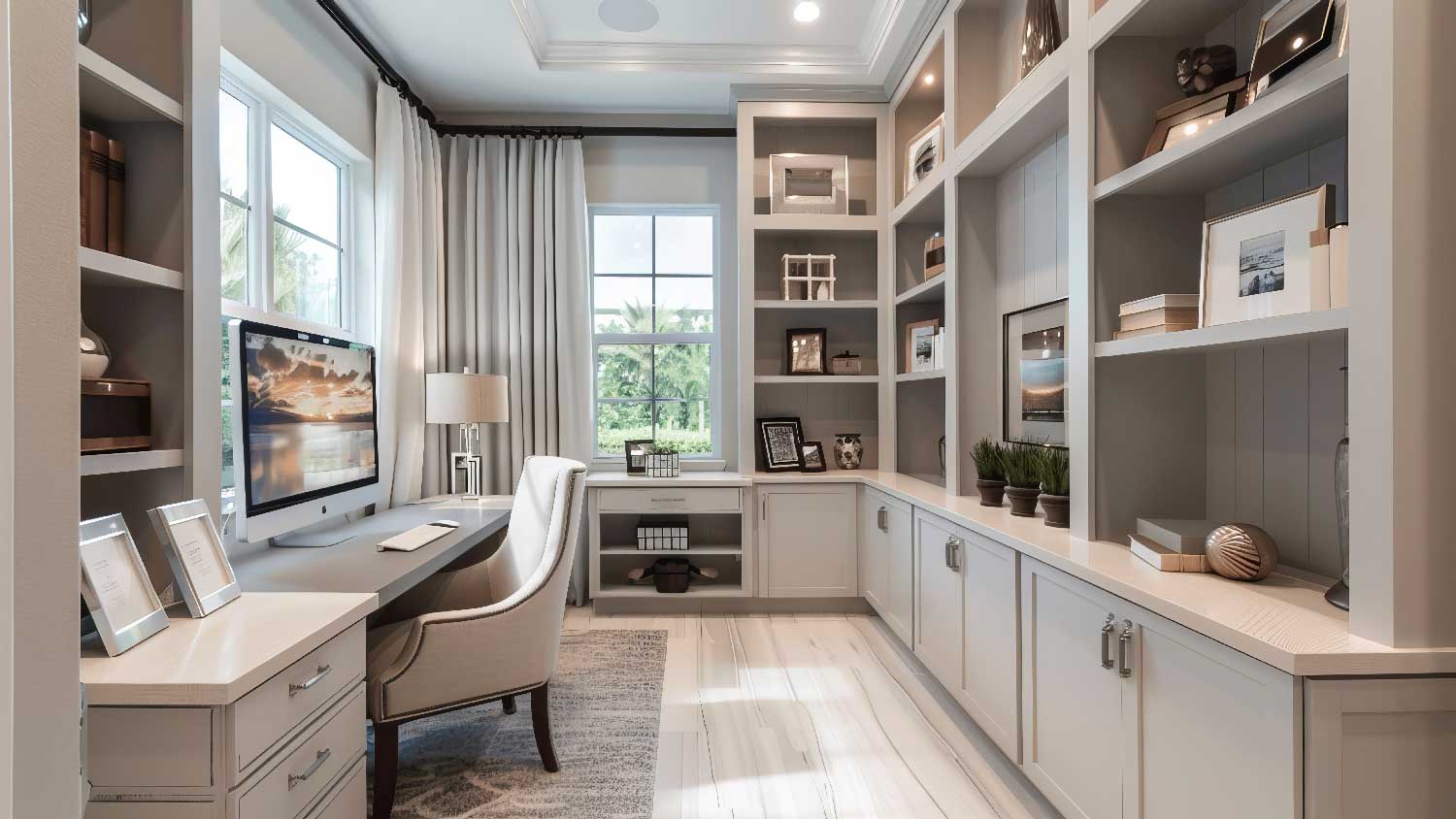
You have multiple options for creating DIY home office built-ins. Learn more about what it takes to make cabinets and bookshelves that look amazing.
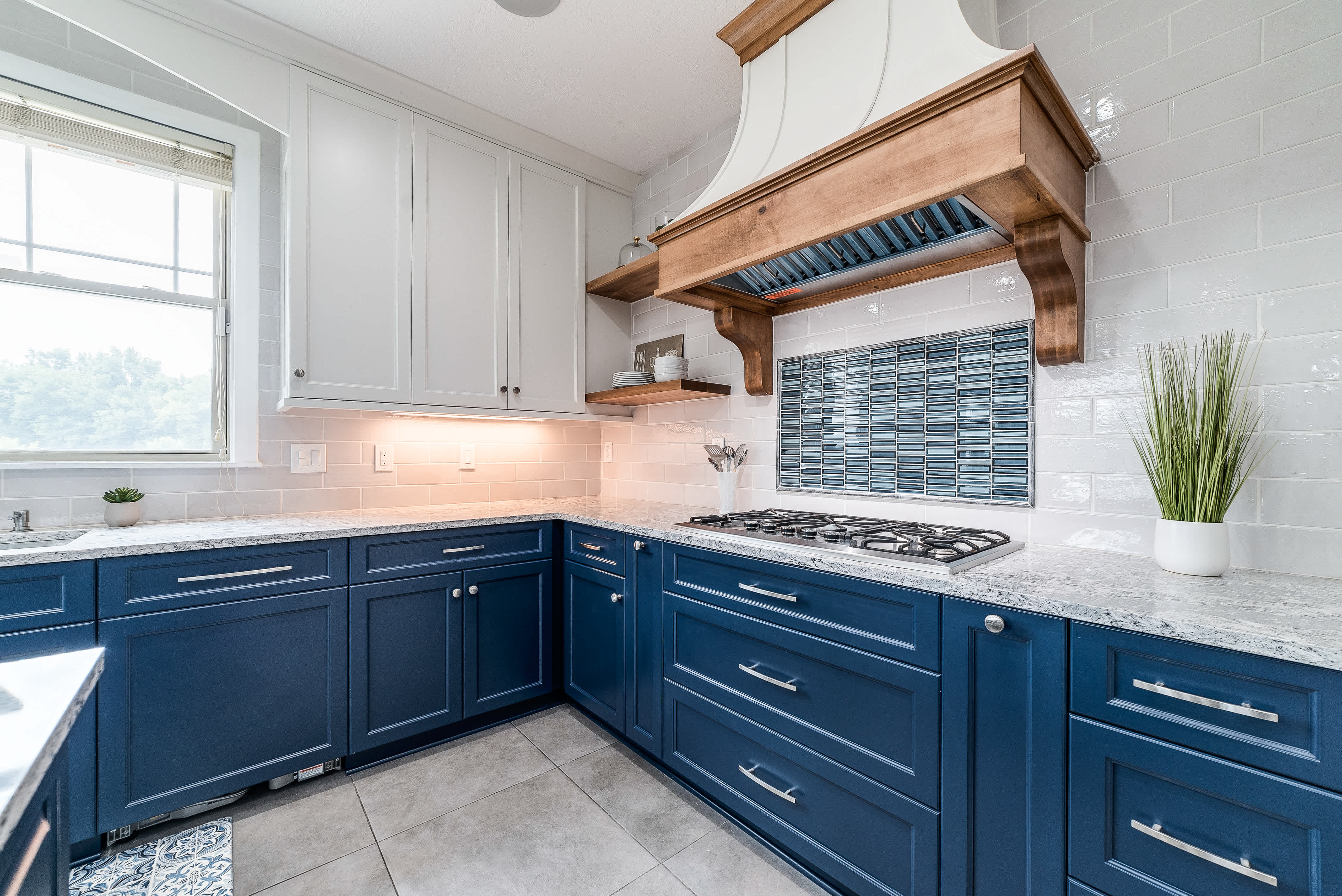
Installing new cabinets? Use this checklist to get your project started.
Face frame vs. frameless cabinets offer two very different looks for your kitchen. Here are the pros and cons of these two common choices.