

Closing cost credits and price reductions are two common real estate moves that can help homeowners buy their dream home with less money due upfront.
If you’re going the FSBO route, understand what costs you’ll owe at closing

For sale by owner closing costs work like any other home sale, with you as the buyer covering most fees while the seller pays some, though many costs are negotiable.
Expect to pay 3% to 6% of the purchase price as the buyer and up to 10% as the seller, so budgeting for these expenses early helps you avoid surprises.
Requesting seller concessions or closing cost credits from the FSBO seller can offset your buyer expenses, especially since they're saving money by skipping listing agent commissions.
Hiring a local real estate agent provides guidance through FSBO paperwork and negotiations, keeping your closing documents accurate and ensuring agreements about costs are properly outlined.
Whether you’re planning to buy or sell a home as For Sale By Owner (FSBO), it’s important to understand exactly what you’ll have to pay at closing. FSBO listings have several benefits, including avoiding paying listing agent fees and commissions, but these benefits come at a price. Before moving forward with a FSBO sale, here’s what you need to know about who foots the bill when it comes to the closing costs on a FSBO home.
Closing costs are one of the many expenses associated with buying and selling a home. While many of these costs vary by state (and some even vary by township or municipality), you can expect to see the following fees on your final closing statement:
Appraisal fee
Attorney fees
Title insurance
Credit report charges
Upfront payments for insurance or taxes
Origination fees
Underwriting costs
Real estate agent commission
Determining which party pays closing costs works the same as any other home sale. The buyer typically pays the majority of closing costs, but the seller is responsible for some fees, too. Keep in mind that many of the fees are negotiable, especially during a FSBO sale, so you should work out an arrangement beforehand. However, there are a few FSBO specific figures you’ll need to negotiate.
One of the major perks of selling a home FSBO is that the seller won’t have to pay a listing agent’s commission. However, the seller may still have to cover the buyer’s agent commission fee. If you’re still using an agent as a buyer, you’ll want to spell out who will be paying the real estate commission fee in your offer letter.

It doesn’t matter whether you’re the buyer or the seller; you can still calculate your estimated closing costs ahead of time so that you’re not surprised when you get to the signing table. A good rule of thumb is to assume that the buyer will need to pay about 3% and 6% of the purchase price, and the seller will likely pay up to 10% of the purchase price.
Seller concessions, also known as a seller’s assist, is when the seller offers to cover some of the buyer's closing costs. Since a seller is technically spending less when they go the FSBO route, asking them to pitch in and offset some of your closing costs may sound agreeable. Buyers can also request a closing cost credit, which is when the seller uses a portion of the sale profits to cover some of the buyer’s closing costs. Keep in mind that these negotiations will be tougher in a seller’s market with more offer competition.
It’s no secret that real estate transactions require a lot of paperwork, but usually buyers and sellers can count on their real estate agent to keep it organized. But that’s not the case with a FSBO sale.
You’ll need to do a lot of the legwork of submitting closing paperwork accurately and on time. If you and the seller have made agreements about closing costs or seller’s concessions, it’s your responsibility to ensure those are outlined in your legal documents. If your closing documents don’t reflect your agreements, it could cause a delay in closing.
If you’re good people wanting to do business with good people, hire Matt. He is a consummate professional and utterly competent. He installed a water heater in my home at a price that beat competitors by hundreds of dollars with a promise to support the unit for its life (even after its 6 yr...
 Greene's Plumbing Services
This company does it right. Firstly, I want to say that Landan was a joy to work with. He was so kind, transparent, and had everything under control. His entire team showed up ready to work and they were all very respectful of the fact that we were in an office space. A little backstory – we...
 Krumlauf Floors
Great communication throughout from discussion of the project, and its options, to installation. They found a number of unforeseen challenges when mounting my TV and soundbar to, what was found as, an untraditional wall that didn’t allow for wires to be hidden behind the wall. The team was...
 Tether House
Professional and great to work with. Reliable, detail-oriented and knowledgeable. Will hire again in the future!
 P&P Painting, LLC
Custom Paint Jobs LLC took our exterior from drab to fab! We couldnt be happier.
 Custom Paint Jobs, LLC
The guys at PaveWay are top notch. From the estimate to the job being completed,all was done in a timely and professional manner. I myself was a DOT Engineer Inspector(know what to look for) and got to talking with Cameron and he himself was a Contract inspector for a few years,same job as...
 All Star Paving and Sealing
Before choosing a real estate agent, we conducted a lot of research to see who would be the best choice. Homes that Click stood out as the best Columbus has to offer: their rankings are excellent, their social media presence was strong, and I could tell they put a lot of work into their...
 Homes That Click Realtors
I have witnessed Mary Goodwin's knowledge, determination, and persistence in real estate and the way she professionally guides her clients throughout the home buying process. I am in the early stages of looking for a home, but already feel confident in the process with Mary leading the way.
 Ed Huck Team
Called Mark on a Thursday morning. Not really knowing if he could help me or not. I was having driveway, flooding issues due to a clogged channel drain and I was trying to figure out what direction to take. Heavy rains had come on Monday and again on Thursday leading to flooding in my garage...
 Mark Rodgers Construction
These guys are the real deal! Their pricing was definitely competitive and fair; nothing really to write home about. But when it came to attitude and installation they knocked it out of the park. I had 3 estimates and while one was similar $$ to Eco's, the can-do and professionalism Steve...
 Eco Glass Designs
From average costs to expert advice, get all the answers you need to get your job done.
Closing cost credits and price reductions are two common real estate moves that can help homeowners buy their dream home with less money due upfront.
A short sale can save you money when buying a home, but the process is filled with extra risks. Get a few tips to help you navigate it successfully.
The home buyer isn’t the only one spending money in a real estate transaction. Here are the costs that home sellers can expect to pay by closing day.
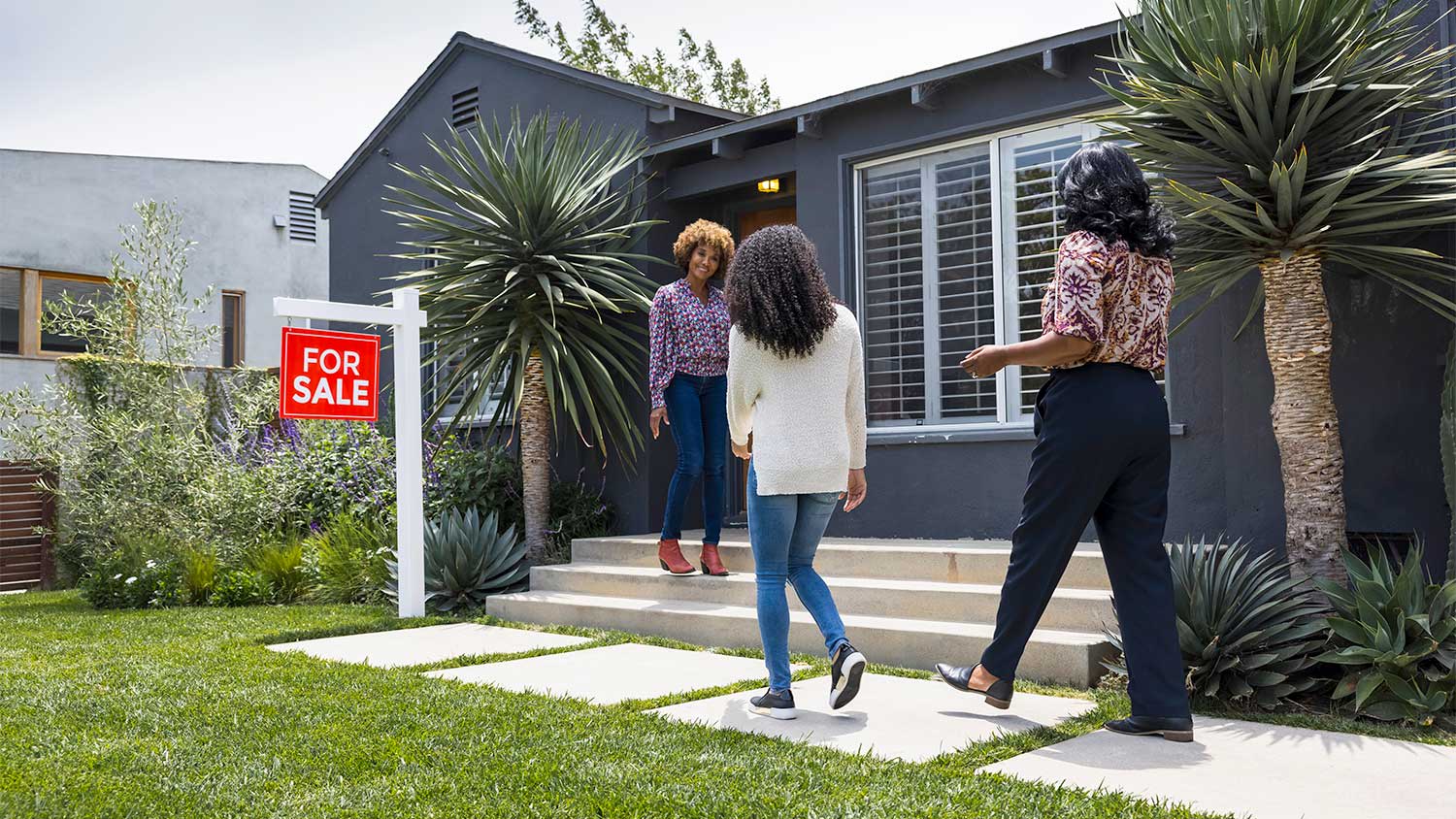
For sale by owner transactions can be complicated for an inexperienced seller. Here are some tips to sell your home without a real estate agent.
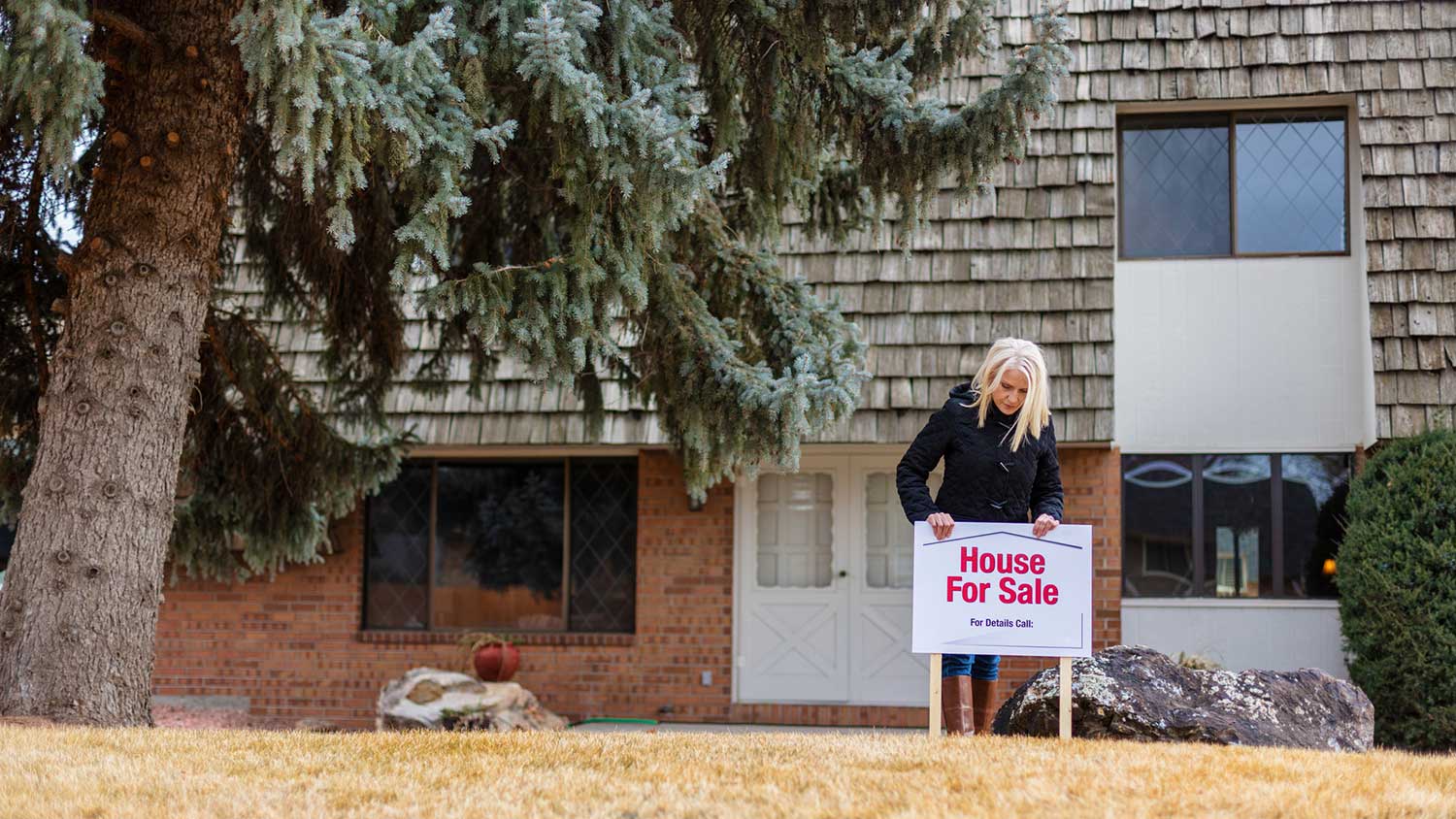
Selling your home on your own has its perks, but there are many difficulties that you should consider before forgoing a real estate agent.
Looking for construction sales techniques? New and growing home remodelers like you need to make sales to grow your business. But how can you convert leads into customers? These sales techniques will help you close the deal with homeowners.