
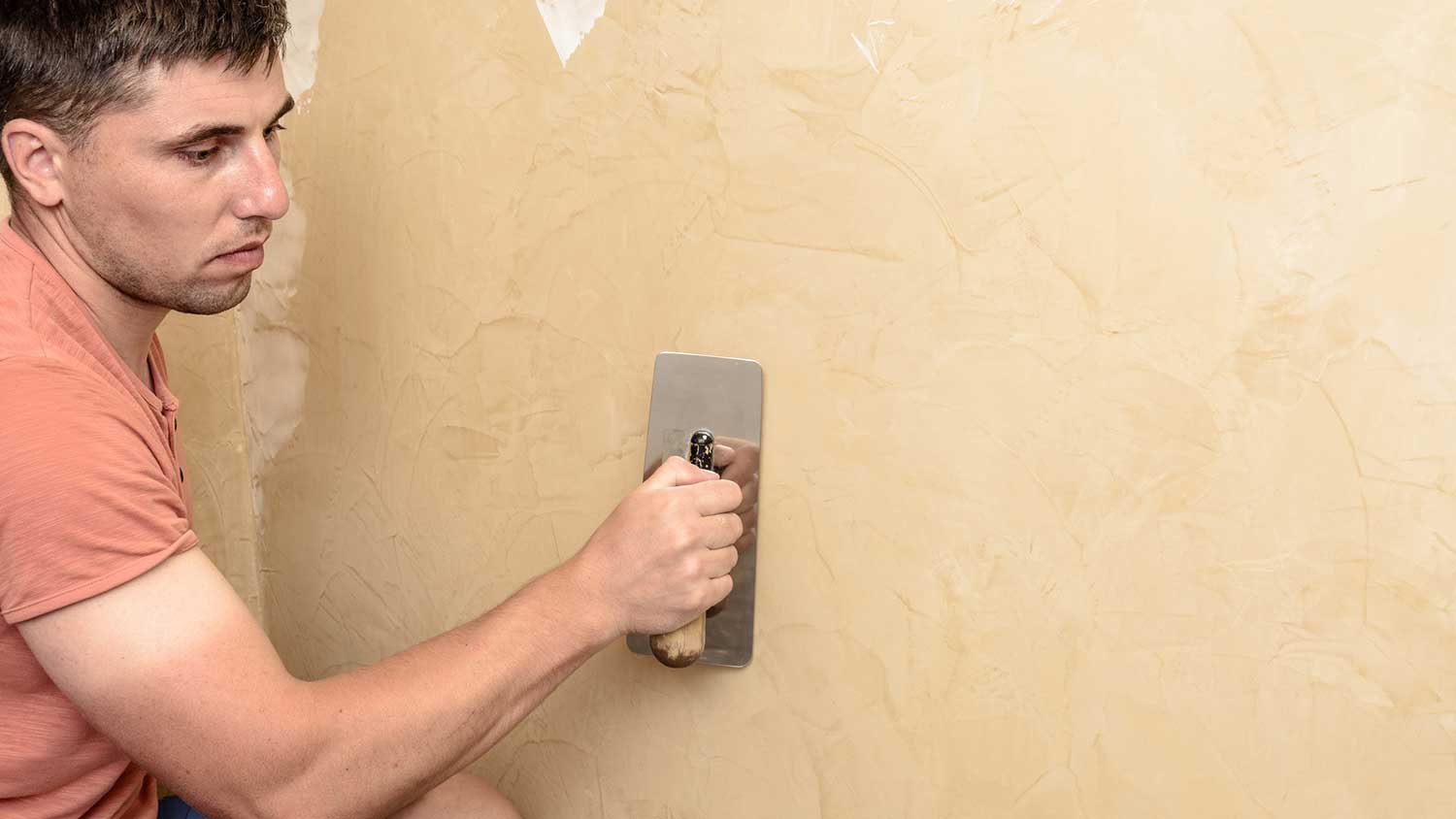
Drywall texture can create an attractive finish and add dimension to your home’s walls. This guide breaks down the factors that influence the cost to texture drywall.
Time to put up some drywall—do you know which kind to use?


Different types of sheetrock serve specific purposes in your home, from standard white board for bedrooms to moisture-resistant green board for bathrooms and kitchens.
Regular drywall costs about $15 per panel or $0.30 to $1 per square foot, while specialized options like purple board cost around 30% more.
Your project location determines which drywall thickness you need, with 1/2-inch for most interior walls and 5/8-inch for ceilings to prevent sagging over time.
Hiring a local drywall professional removes confusion from selecting the right type and thickness, ensuring proper installation for moisture protection and fire resistance.
Drywall is a popular material for interior walls and ceilings, but did you know there are multiple types of drywall? Drywall comes in several different varieties, sizes, and textures, and choosing the right type for your specific project is critical for longevity and appearance. In this guide, we cover five types of drywall, including standard, moisture- and fire-resistant, soundproofing, and VOC-absorbing, and how to pick the best type and size for your next home project.
Drywall and plaster work require extensive practice and talent. You can try a DIY repair if a patch is small enough or where you won’t mind looking at a less-than-professional job when it’s done. If an entire wall needs repair, trust the pros to do the work so you're happy with the results.
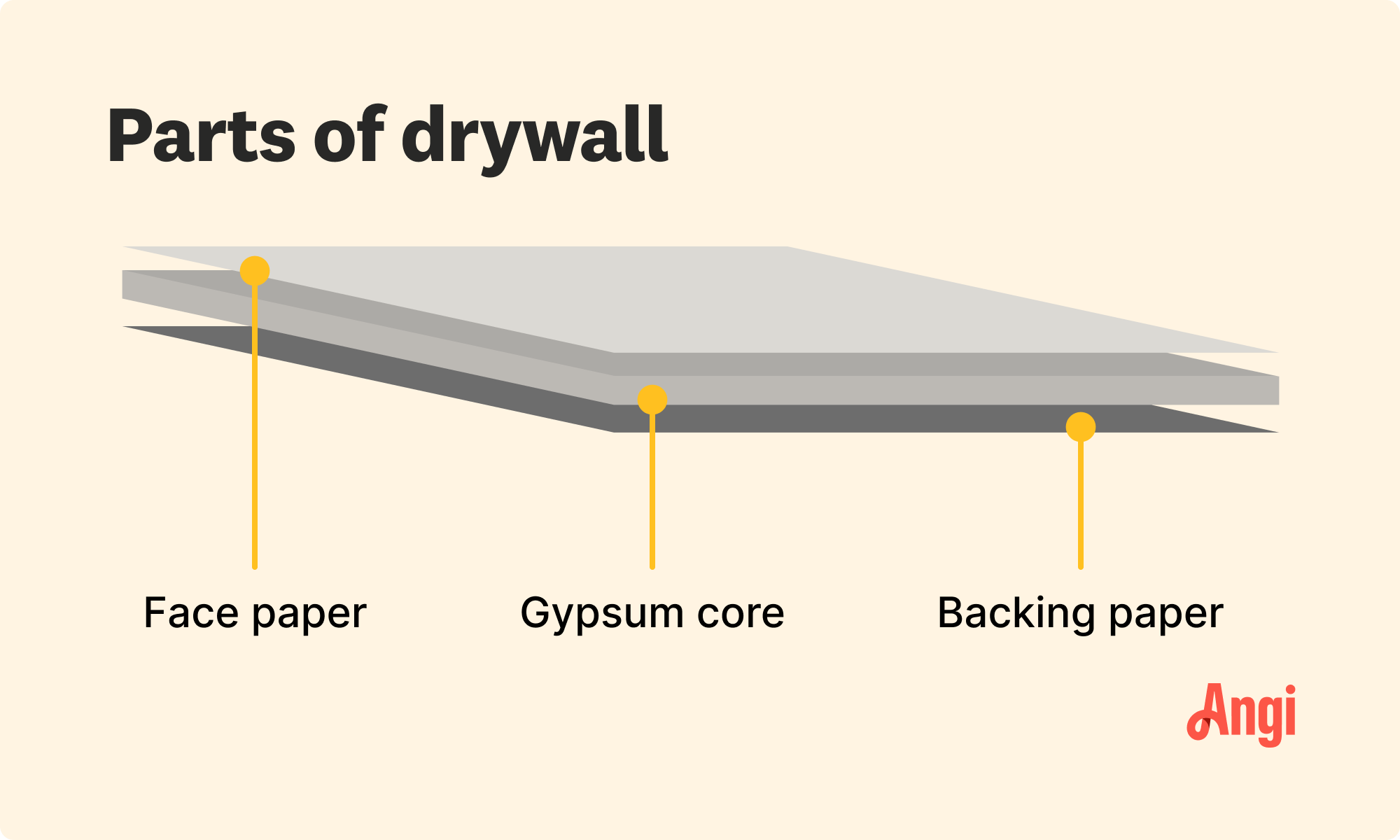
Drywall is one of the most common building materials in home construction and is most likely what makes up your walls and ceilings. Drywall consists of dried and compressed gypsum between two sheets of thick paper. Drywall is sometimes referred to as gypsum board, wall board, or Sheetrock®, the last of which is actually a name brand.
Gypsum is a powdery mineral found naturally and mined before appearing in fertilizer, chalk, drywall, and various other products. When dried in drywall production, it creates a rigid board that remains easy to cut and shape, making it ideal for wall construction. The paper facing provides a smooth surface to receive paint.
Drywall is the most common material for walls and ceilings for a few reasons:
It adds some rigidity to the walls of a home.
It’s lightweight, making it easy to install.
It’s relatively affordable while still being durable.
It’s naturally flame-resistant.
It can be moisture-resistant for bathrooms and kitchens.
It’s widely available.
It’s easy to cut to fit interior spaces.
It provides a perfectly flat surface to receive primer and paint.
There are also a few different types of drywall for various applications in home construction, making it more versatile than other materials.

White or light gray in color, “white board” is standard drywall that is 1/2-inch thick. The sheets also come in other thicknesses for different uses. Below are the common drywall thicknesses and what each is most useful for:
1/4-inch thickness: This thickness is best for a curved surface that requires bending the drywall. A local drywall contractor can wet the material so it bends more easily, then install it on the curved surface. This thickness is also suitable for installing over existing damaged drywall.
3/8-inch thickness: This thickness is also suitable for curved walls or for repairing damaged drywall. It was once the standard for interior walls.
1/2-inch thickness: This is now the standard for sheetrock thickness for interior walls. It adds more structural support to the wall and resists bowing and bending a bit better.
5/8-inch thickness: This is a good option for affordable room soundproofing or sound dampening, so if you’re in an apartment or have a noisy house, this is a good option. It’s also the most common thickness for ceilings, as it resists sagging over time.
3/4-inch thickness: This is ideal for soundproofing rooms. It’s expensive but provides the most structural support and resistance to warping.
You can get regular drywall at your local home improvement store that comes in 4-by-8-foot sheets. If you need it for patching, you can find it in smaller sizes, like 2-by-2-foot pieces. Regular drywall costs about $15 per panel, or between $0.30 and $1 per square foot.
| Pros | Cons |
|---|---|
| Popular and readily available | Susceptible to moisture and mold |
| Affordable | Not fireproof |
| Comes in a variety of thicknesses | Offers little sound insulation |
Best for: Living rooms, bedrooms, and hallways
If you’re looking for drywall that’s moisture-resistant or moistureproof, you have several different options to choose from.

Green board is one of the best drywall options for kitchens, bathrooms, basements, and attics. It’s also mold-resistant and comes in 1/2-inch or 5/8-inch thicknesses. Its mold-resistant properties come from thicker layers of green paper on the outside of the gypsum and a wax coating over the paper. While it is durable, it’s not waterproof or fire-resistant. Green board drywall installation costs around 20% more than regular drywall.
Named for its outer coating of formulated blue paper, blue board drywall is a highly moisture-resistant form of drywall that works best in bathrooms and basements. It still has the inner layer of gypsum, which can soak up water and water vapor, but the outer blue paper is treated for moisture resistance. It’s still not waterproof, so blue board is designed only for indoor use.
In recent years, developers have started making a new type of drywall that uses fiberglass mesh for the outer layers instead of paper. There’s still a gypsum center, but the fiberglass coating makes it more resistant to both mold and moisture.
Purple board drywall is the most resistant to moisture and mold, so much so that it’s suitable to use on the exterior of buildings. Purple board is also a highly fire-resistant drywall. This type of drywall is best for ceilings and walls that need moisture protection, but also for high-traffic areas because it is dent and scratch-resistant. Purple board drywall costs about 30% more than regular drywall.
It’s worth mentioning that purple board is a specific product manufactured by Gold Bond® and not a generic drywall option.
| Pros | Cons |
|---|---|
| Different types offer flexibility for different projects | Up to 30% more expensive than standard drywall |
| Can offer dent- and scratch-resistance along with moisture protection | Can be slightly harder to find than standard drywall |
| Reduces possibility of mold-related health hazards | Choosing between different types can add confusion |
Best for: Bathrooms, kitchens, finished basements, and laundry rooms

If you need drywall that’s fire-resistant, you’ve got a couple of choices to pick from.
Type X drywall has a fire-resistant gypsum center and two layers of paper, one regular and one liner-backed. This is a thicker board at 5/8 inches, so it’s a little more difficult to cut through. But because it’s thick, it’s also good for dampening sound. Type X drywall has to pass a one-hour fire-resistance test and is a good option for walls in apartment buildings, garages, boiler rooms, and other areas with an increased risk of fire.
Type C drywall matches Type X drywall in thickness, but it contains more glass fibers in the gypsum core to provide better flame resistance. Type C is an amped-up version of Type X, so it’s more fire-resistant. Type C is about 10% more expensive than Type X. You’ll find Type C drywall in all the same rooms as Type X, like apartment buildings, garages, and boiler rooms. However, it’s better for use on the ceilings, as flames rise and pose more of a threat to drywall installed on the ceiling.
| Pros | Cons |
|---|---|
| Offers fire protection for multifamily living areas or garages | More difficult to cut through than standard drywall |
| Thickness can increase sound insulation | Costlier than standard drywall |
Best for: Garages, apartment buildings, and helping prevent ceilings from collapsing in a fire
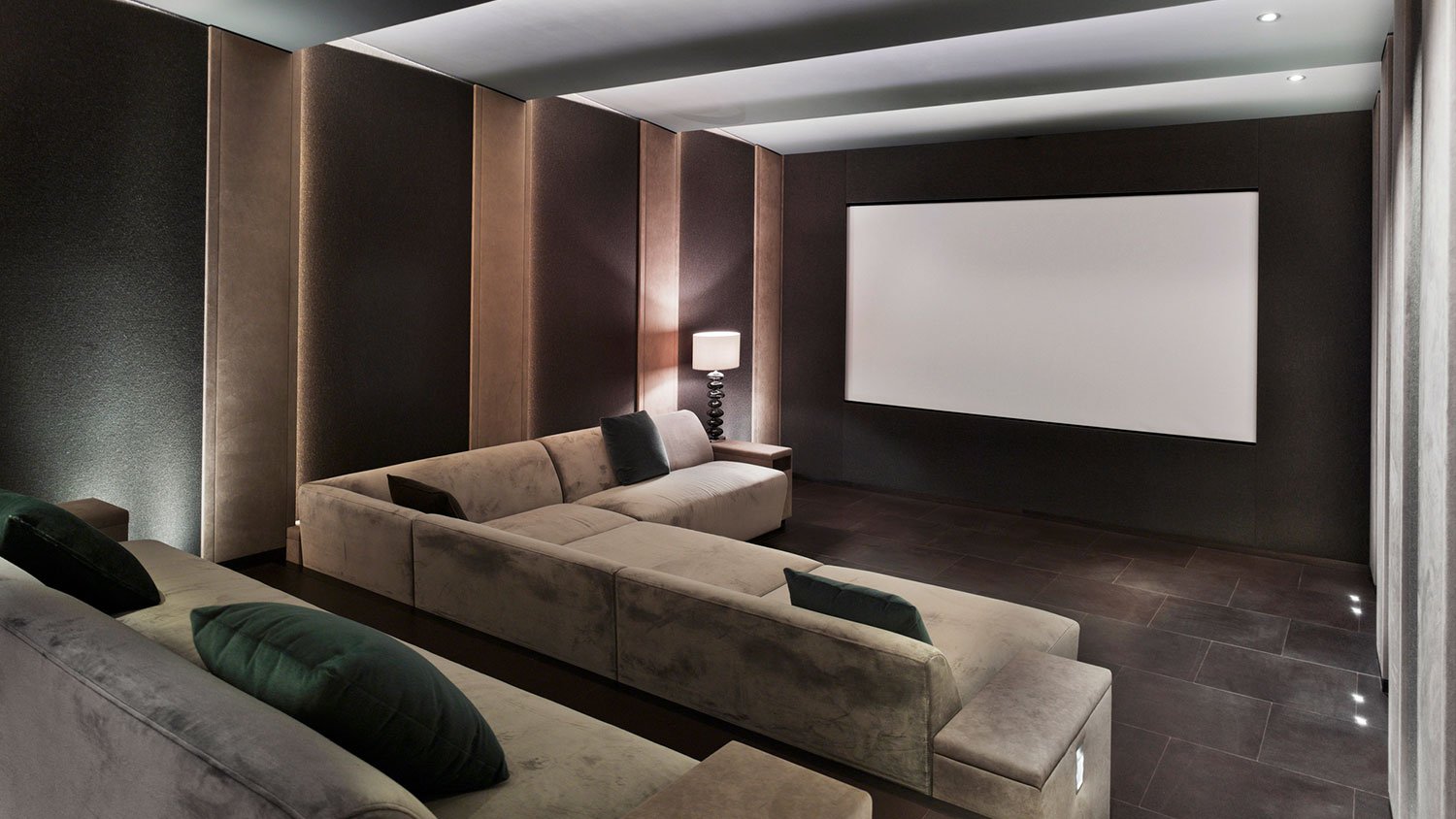
Though some types listed here are sound dampening, truly soundproof drywall contains more layers than regular drywall. It contains two layers of gypsum instead of one layer and is best used in rooms like home theaters and studios.
Soundproof drywall is significantly more costly—up to 400% more than regular drywall. For that reason, most homeowners opt for thicker standard drywall, which is only marginally more expensive than thinner pieces and still provides better sound dampening.
| Pros | Cons |
|---|---|
| Stops noise transfer between rooms | Up to 400% more expensive than standard drywall |
| Good for home theaters, music studios, and light sleepers | Similar sound dampening could be achieved by thicker slabs of regular drywall |
Best for: Home theaters, garages (think: band practice), and home offices
VOCs, or volatile organic compounds, are airborne chemicals that, according to the Minnesota Pollution Control Agency (MPCA), can cause eye, nose, and throat irritation, respiratory issues, and even cancer. Some household products contain VOCs, including the following:
Paint
Wood stain
Some cleaning products
Deodorizers
As the name suggests, VOC-absorbing drywall absorbs airborne VOCs to prevent you and your family from breathing them in. According to most manufacturers, they can work for up to 75 years, even if you paint over the drywall.
VOC drywall is a relatively new product. It’s most common in garages and workshops, where VOCs are more of a concern. It’s quite expensive, so most contractors don’t use it in normal construction.
| Pros | Cons |
|---|---|
| May help prevent you from breathing in VOCs | More expensive than other options |
| Long-lasting effect—up to 75 years | Relatively new product, so less information is available |
Best for: Garages, workshops, and art studios
With so many different types of drywall available, you may wonder how to choose one for your next remodeling project. The first place to start is to consider the drywall’s use and the room in which you will place it. Regular drywall may be appropriate for your bedroom, but you may need green board drywall for your kitchen, basement, or another area where moisture may be present.
You’ll also need to consider any building codes or regulations where you live. Many apartments require Type X drywall for their ceilings to prevent them from collapsing during a fire, while some municipalities call for VOC-absorbing drywall in workshops or garages. Check your local building codes to determine whether you’ll need to hang a specific type of drywall.
Finally, the thickness of the drywall will determine its effectiveness in its application. For example, the thicker your soundproof drywall, the less noise will get through it. Thinner drywall is more flexible, allowing you to use it more effectively on corners and curved walls. However, remember that thicker drywall will be more difficult to cut, possibly making it less budget-friendly.
Cancelled appointment two hours after they were supposed to come for drywall work.
 Hutch And Sons Drywall Services
I would recommend this company to anyone! He showed up on time, was friendly, completed a very difficult repair on our dryer vent cover, was responsive, and pricing was extremely fair and competitive. I would have him back to do any of our repairs or cleanings without hesitation!
 U.S.A. Dryer Vent, LLC
I cant stop admiring my newly painted walls. Custom Paint Jobs LLC made my house feel brand new.
 Custom Paint Jobs, LLC
Excellent experience with hiring Tether House to Mount our 77’ Samsung TV in our bedroom. Fast, friendly, and knowledgeable. Highly recommend.
 Tether House
Excellent customer service and knowledge. I was recommend to him from my neighbour. My front door and window came in great and were installed beautifully perfectly, I m very satisfied with their excellent work, so decided to order one more big bow window for my living room. I cant wait for...
 Window Depot USA of Central Ohio
Manuel Calvillo is the best option in the area for roofing and you won't be disappointed.
Would hire again. Wall looks great. Happy with job.
 Central Paving
Involved an extensive bathroom remodel, including removing tub & installing walk in shower, new drywall, custome tile work to ceiling, plumbing, etc. Overall, job was done on time and on budget. Nick & his team were very professional and had high attention to detail. Quality was great. Highly...
 Stamos Flooring and Remodeling LLC
We have had a great experience with Rising Height for the past five years on a number of miscellaneous renovation projects. They laid flooring for us and had a very good sub do the finish. Installed drywall for a vaulted ceiling, finished an attic/loft with new subfloor, framing and drywall,...
 Rising Height Unlimited
Mr. Lopez was super nice and professional. He repaired our drywall just as he described during the estimate phase. Our dining room wall looks great again! Thanks Mr. Lopez!
From average costs to expert advice, get all the answers you need to get your job done.
Drywall texture can create an attractive finish and add dimension to your home’s walls. This guide breaks down the factors that influence the cost to texture drywall.
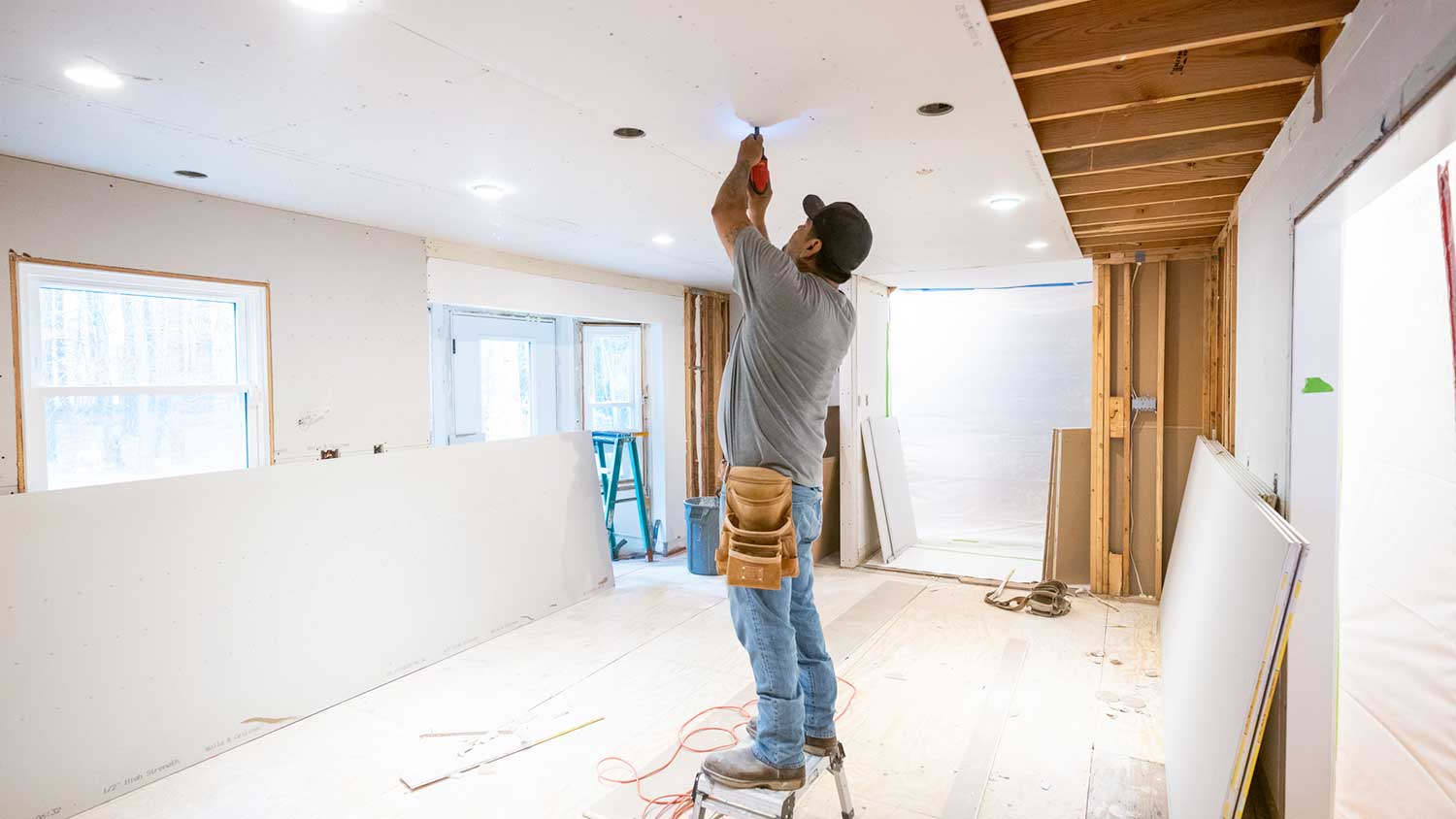
Not sure whether to install Trusscore’s PVC panels or drywall? Comparing the costs can help. Let’s take a look at the typical Trusscore versus drywall costs.

Installing drywall is the most common way to finish your home’s interior. Use this drywall installation cost guide to see what your project is likely to cost.
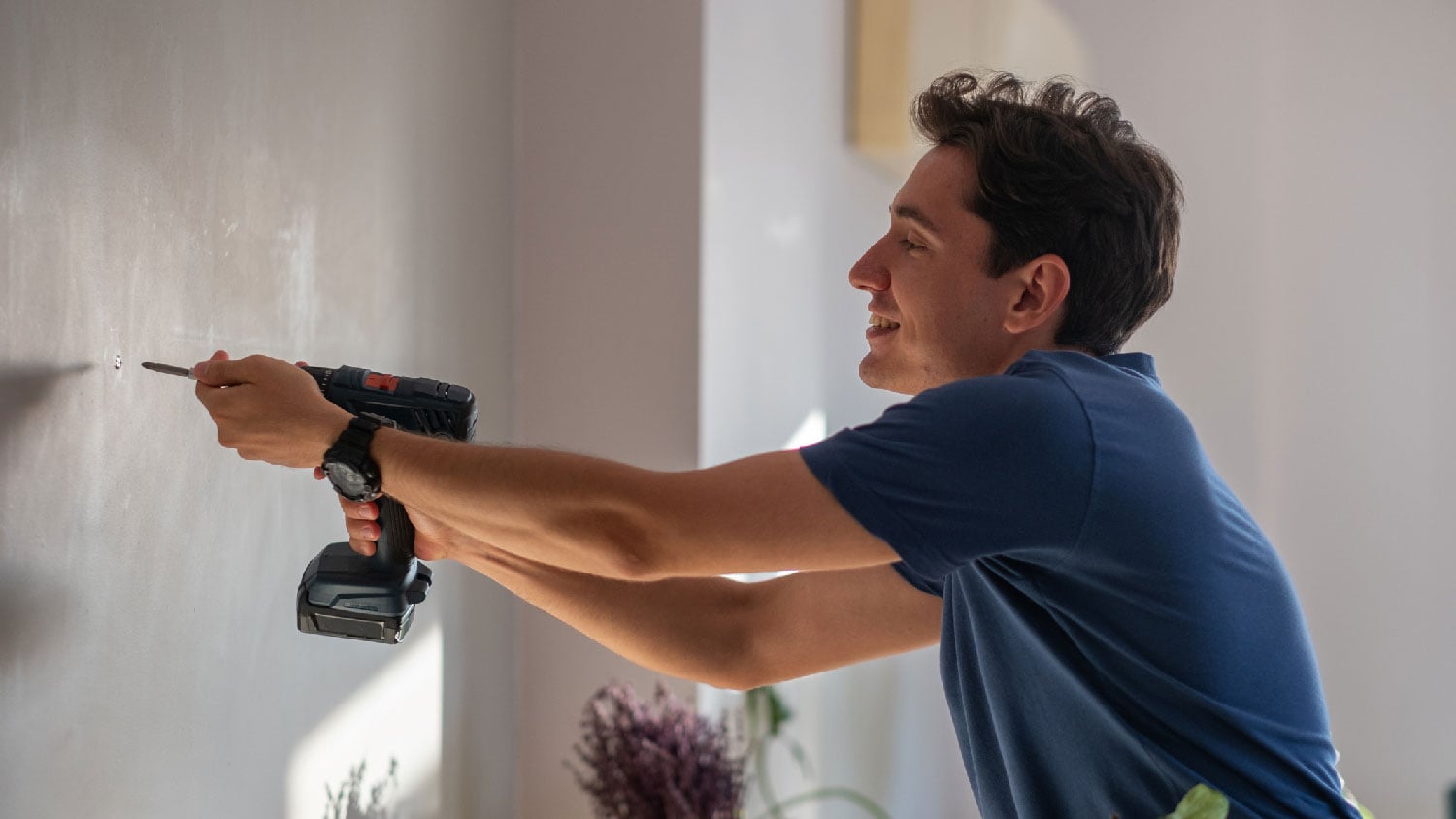
What size drywall screws you should use depends on the thickness of your drywall and the stud material. This guide can help you choose the perfect match.
Life gets noisy, so learning about different types of soundproofing material can help you make the best decision for your home.
The terms drywall and Sheetrock are often used interchangeably, but one is a brand and one is a specific product. Find out which one you need in this guide.